President Bola Ahmed Tinubu on Friday inaugurated an 11-member committee to facilitate the incorporation of the proposed Grid Asset Management Company Limited (GAMCO), a federal initiative aimed at tackling persistent electricity grid challenges and unlocking stranded power generation across Nigeria.
The committee, chaired by the President’s Chief of Staff, Femi Gbajabiamila, was inaugurated at the State House in Abuja following approval by the Federal Executive Council of Nigeria earlier in the week for the establishment of the company as part of broader reforms in the power sector.
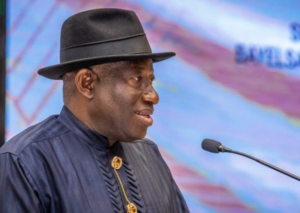
Speaking on behalf of the President, Gbajabiamila described the proposed GAMCO as a “revolutionary step” toward optimising electricity generation and strengthening transmission infrastructure.
In a statement issued by the Special Adviser to the President on Information and Strategy, Bayo Onanuga, Gbajabiamila said the initiative represents a major structural reform in the electricity industry.
“The proposed establishment of GAMCO is one of the revolutionary steps taken by Mr President and this administration in the all-important power sector,” he said.
The committee will conduct a comprehensive review of existing laws, regulations and institutional frameworks governing Nigeria’s electricity value chain, including generation, transmission, distribution and market operations.
It will also examine the implications of the Electricity Reform Laws (2025) and ongoing unbundling arrangements in the sector, particularly regarding asset ownership, management and regulatory oversight.
In addition, the panel will assess the legal status and contractual obligations surrounding assets belonging to the Niger Delta Power Holding Company and the National Integrated Power Project.
The review will include selected pilot plants such as Omotosho, Olorunsogo, and Ihovbor, which are part of the initial phase of the GAMCO initiative.
The committee will also evaluate how GAMCO’s mandate will interact with the regulatory responsibilities of the Nigerian Electricity Regulatory Commission, while examining fiscal and financial implications including subsidy exposure, market liquidity and revenue frameworks.
Members of the committee include the Attorney-General of the Federation and several ministers, including those responsible for power, works, finance, communications, science and technology, aviation and aerospace development, as well as the minister of state for petroleum.
Other members include the chairman of the Nigeria Revenue Service and energy law expert Yemi Oke. The Permanent Secretary of the Cabinet Affairs Office, John Chidiebere Ezeamama, will serve as secretary.
The Grid Asset Management Company Limited is designed as a government-owned commercial venture, with shares to be held by the Ministry of Finance Incorporated.
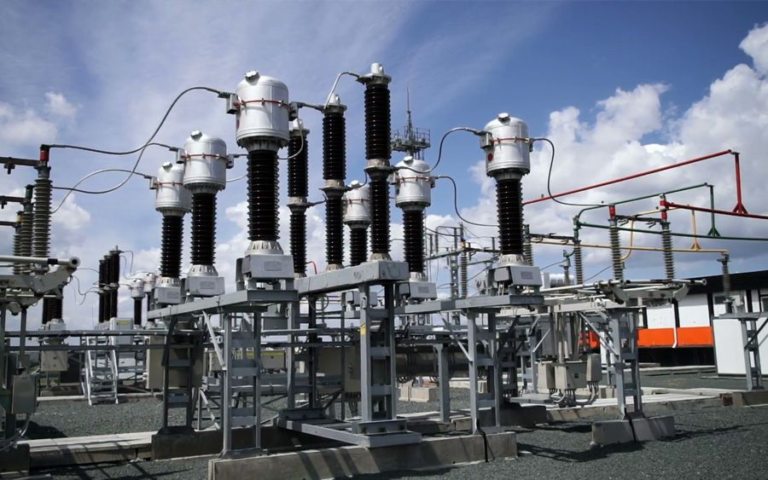
Its core objective is to recover and optimise stranded electricity generation by strengthening transmission evacuation capacity, beginning with the Benin–Lagos transmission corridor, which supplies bulk electricity to Ogun State and Lagos State.
The pilot phase will focus on boosting electricity output from three NIPP plants:
- Omotosho Power Plant – 513 megawatts
- Olorunsogo Power Plant – 754 megawatts
- Ihovbor Power Plant – 508 megawatts
Through the initiative, the government aims to recover at least 1,600 megawatts of stranded power within the next 18 to 24 months.
The project also includes plans to develop a high-capacity 330KV+ double-circuit transmission line along the Benin-Lagos corridor to improve power evacuation.
Under the proposed structure, the Niger Delta Power Holding Company will grant GAMCO concession and lease rights over the three plants, while the Transmission Company of Nigeria will allow the company to develop, finance and operate new transmission infrastructure.
According to the Presidency, the initiative aims to transform under-utilised public investments in the power sector into reliably delivered electricity, improve grid stability and enhance energy supply to major economic hubs.
If successfully implemented, the pilot phase could serve as a scalable model for other plants and transmission corridors nationwide, boosting industrial productivity, strengthening investor confidence and improving electricity supply for Nigerian households under the administration’s Renewed Hope Agenda.