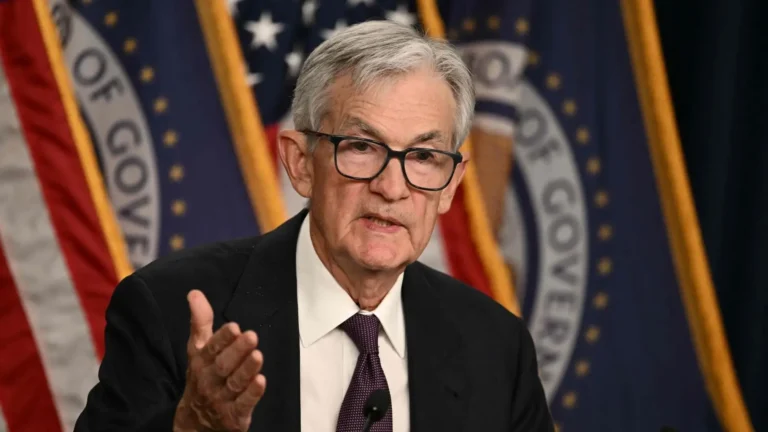
The Federal Reserve is expected to release its latest interest rate decision on Wednesday, as U.S. gasoline prices climb to their highest levels in four years.
The announcement could mark one of the final major policy moves under Fed Chair Jerome Powell, whose term is set to expire next month.
The decision comes at a challenging moment for policymakers. Rising energy costs linked to the Iran conflict have fueled inflation, while hiring has slowed, complicating the Fed’s efforts to stabilize the economy.
Market expectations indicate the central bank will likely hold rates steady, according to widely followed investor indicators.
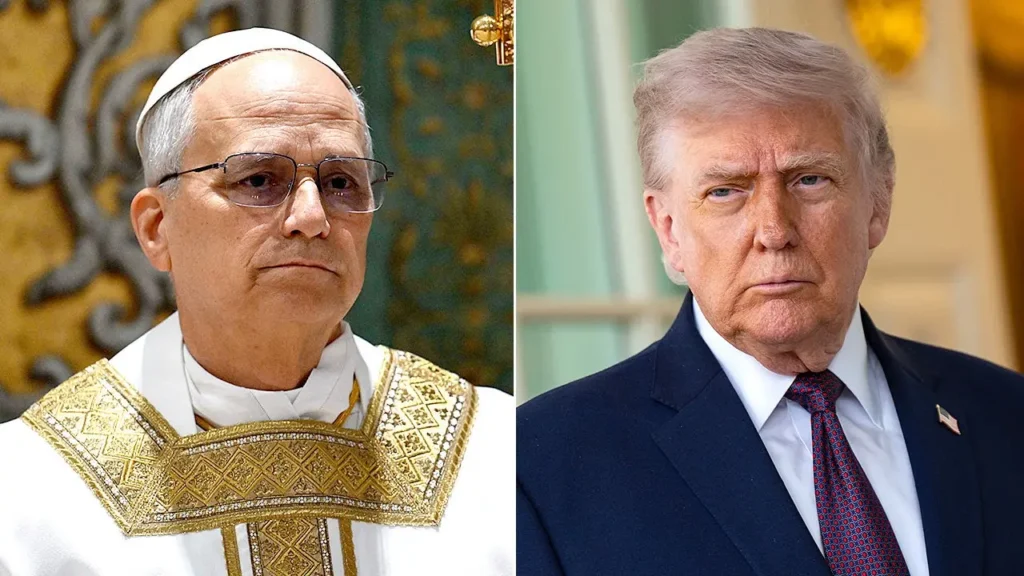
At the same time, uncertainty surrounds the Fed’s leadership transition. President Donald Trump has nominated Kevin Warsh to succeed Powell, but the nomination has faced resistance in the Senate Banking Committee.
A federal investigation into Powell—centered on alleged misleading testimony to Congress regarding an office renovation—had further complicated the process. The U.S. Department of Justice moved to drop the probe last week, potentially clearing the path for Warsh’s nomination to advance.
Powell, who was originally appointed in 2017, has denied wrongdoing and criticized the investigation as politically motivated. He has indicated he will remain in his role until a successor is confirmed and could continue serving on the Fed’s board beyond that point.
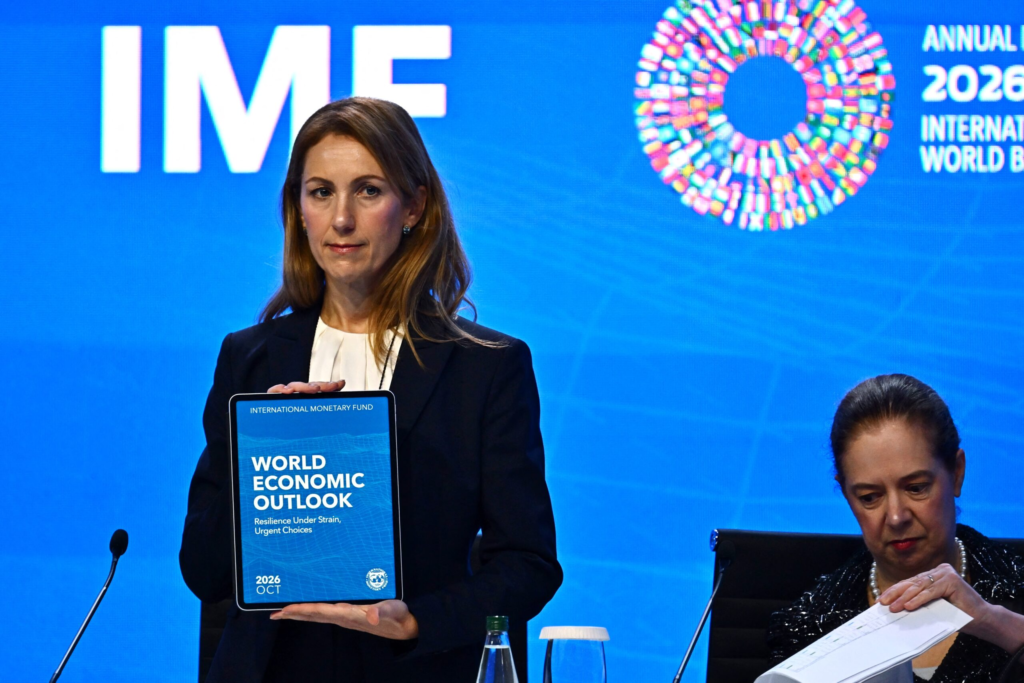
The broader economic backdrop remains uncertain, with persistent inflation alongside slowing growth raising concerns about a potential period of “stagflation,” a scenario that presents significant challenges for monetary policy.