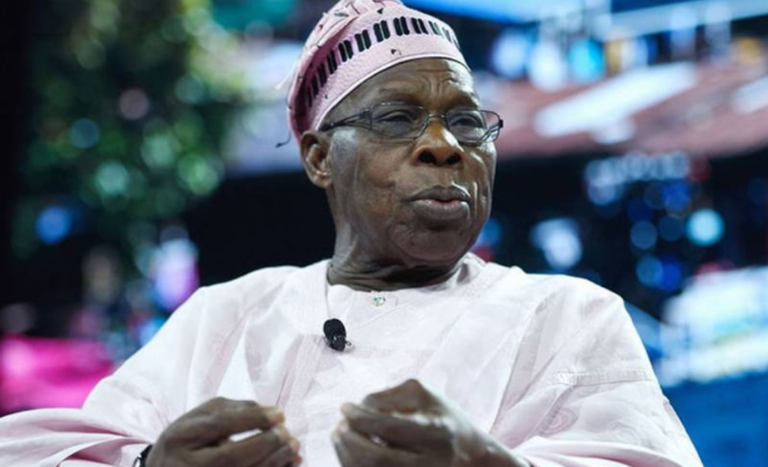
Former President Olusegun Obasanjo has declared that any government unable to guarantee the safety of lives and property has forfeited its moral and constitutional right to exist.
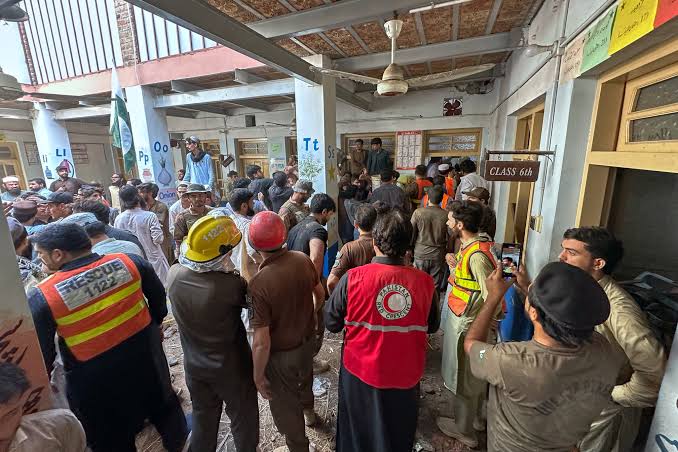
Speaking during an interview on News Central, Obasanjo stressed that the primary responsibility of any administration is the protection of its citizens, warning that the growing normalisation of kidnapping and violent crime reflects a serious breakdown of state authority.
“A government that cannot give security of life and property to its citizens has forfeited the right of existence,” he said.
He described the current security situation as alarming, noting that abductions are increasingly being treated as routine. According to him, Nigeria’s decline in security did not happen suddenly but is the result of years of poor governance, unchecked arms proliferation, and failure to address emerging threats.
Obasanjo linked part of the crisis to the influx of weapons and fighters following the fall of Muammar Gaddafi, as well as the use of armed groups for political purposes.
He also warned that Nigeria’s large population of out-of-school children poses a long-term security risk, describing them as vulnerable to recruitment by extremist groups if left unaddressed.
Beyond insecurity, the former president expressed concern over Nigeria’s declining influence globally, saying the country has lost its voice in international affairs due to weak leadership.
“Today, Nigeria is not at the table,” he said.
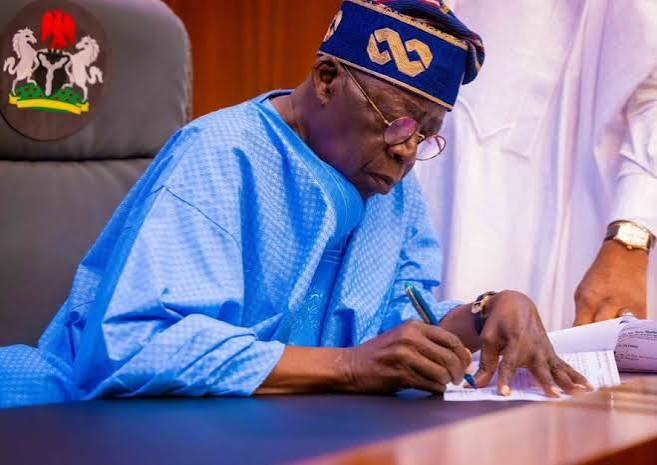
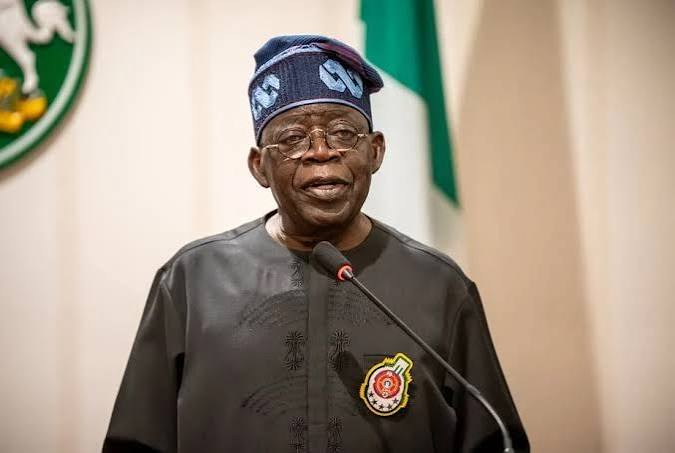
Obasanjo criticised the handling of the Niger crisis by President Bola Ahmed Tinubu in his role as chairman of the Economic Community of West African States (ECOWAS), arguing that sanctions and border closures strained longstanding regional ties.
According to him, the measures contributed to tensions that led to the exit of Niger, Mali, and Burkina Faso from ECOWAS.
“We took 50 years to build it and virtually destroyed it overnight,” he said.
On domestic politics, Obasanjo warned against the emergence of a one-party system, saying it would undermine democratic development. He also criticised what he described as the shift from a true electorate to a “selectorate,” which he said distorts governance outcomes.
Despite his concerns, the former president noted that Nigeria still has the potential to recover, but only through improved leadership, stronger institutions, and meaningful governance reforms.