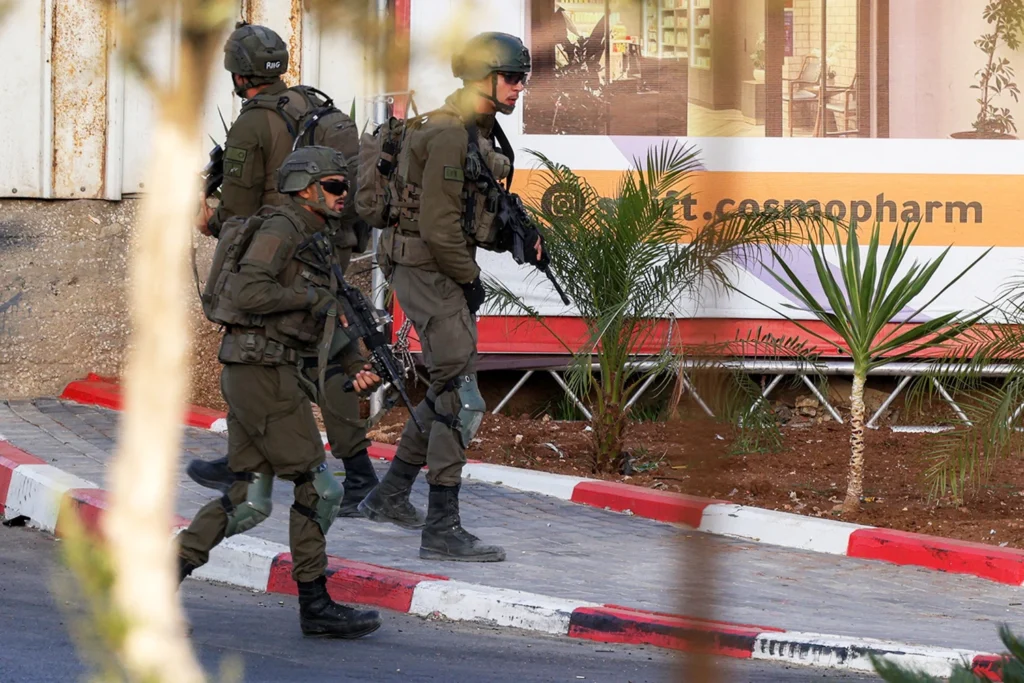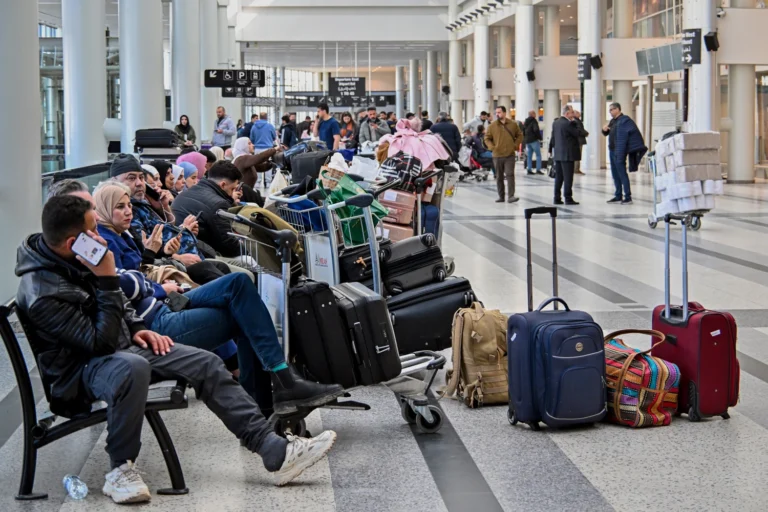
In the days following U.S. and Israeli airstrikes against Iran, the United States Department of State issued new travel warnings urging Americans to reconsider trips to several Middle Eastern countries. For thousands of U.S. citizens already in the region, however, the alerts came too late.
Many Americans are now stranded across the Middle East as Iran launches retaliatory drone strikes against U.S. military and diplomatic facilities. The situation has prompted sharp criticism from Democratic lawmakers and current and former State Department officials, who say the Donald Trump administration failed to adequately prepare for a foreseeable escalation.
“You would have had far fewer people in harm’s way,” one senior State Department official said, speaking anonymously because they were not authorized to comment publicly.
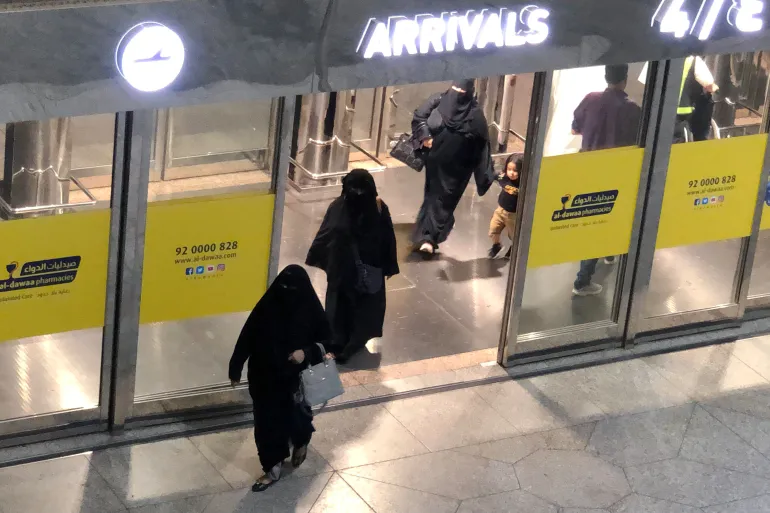
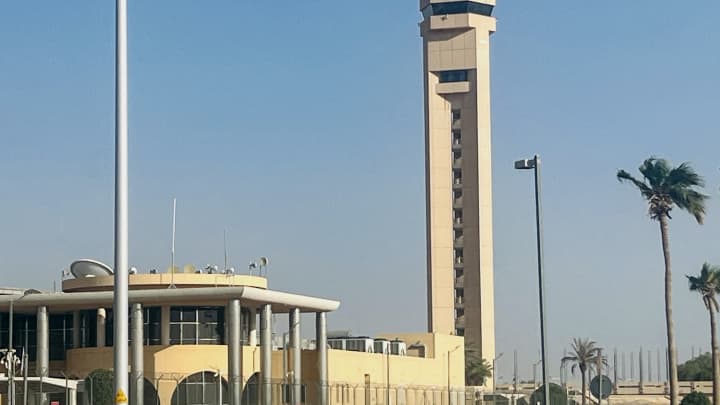
Americans stuck in countries including Jordan, Kuwait, and the United Arab Emirates say they have received inconsistent guidance from U.S. officials. Some were advised to leave immediately even as airports were closed due to security threats. Others were told to contact U.S. embassies, only to encounter busy phone lines or overwhelmed staff unable to offer assistance.
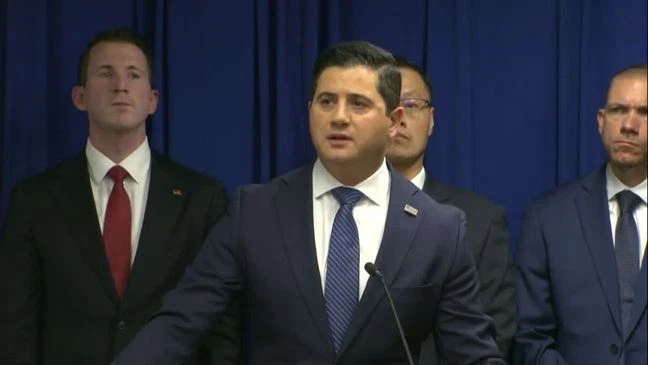
In a letter to Secretary of State Marco Rubio, dozens of Democratic lawmakers said the administration’s response reflected a lack of planning.
“These issues were predictable,” the lawmakers wrote. “The lack of clear preparation, planning and communication to Americans abroad is unacceptable and a violation of the State Department’s basic mission to protect U.S. citizens overseas.”
U.S. officials have struggled to explain why contingency plans were not implemented earlier. Speaking to reporters Tuesday, Trump said the crisis unfolded rapidly.
“It happened all very quickly,” he said.
In recent days, security threats have forced major disruptions at several American diplomatic facilities. The U.S. Embassy in Jordan was evacuated amid fears of an attack. A drone strike hit the U.S. Embassy compound in Kuwait. Another pair of drones struck the U.S. Embassy in Saudi Arabia, causing a fire, while a separate drone attack ignited a blaze in the parking area outside the U.S. Consulate in Dubai.
At least six American service members have been killed since the United States and Israel launched their strikes against Iran. There have been no confirmed reports of American civilian deaths.
White House press secretary Karoline Leavitt rejected claims that the administration failed to provide adequate warnings.
“There were many signs put out by the State Department,” Leavitt said, noting that Level 4 “Do Not Travel” advisories had been issued as early as January for several countries in the region, including Iran, Iraq, Lebanon, Syria and Yemen.
However, it was only after the air campaign began over the weekend that the State Department issued Level 3 “Reconsider Travel” warnings for additional countries such as Jordan, Kuwait, Oman, Qatar, Saudi Arabia, the UAE and Cyprus.
The United States Department of Defense said the military is preparing to assist evacuation efforts using C-17 transport aircraft. State Department officials also said charter flights are being arranged to help evacuate Americans from the region.
Late Wednesday, the State Department confirmed on X that one such flight had already departed the Middle East and was on its way to the United States.