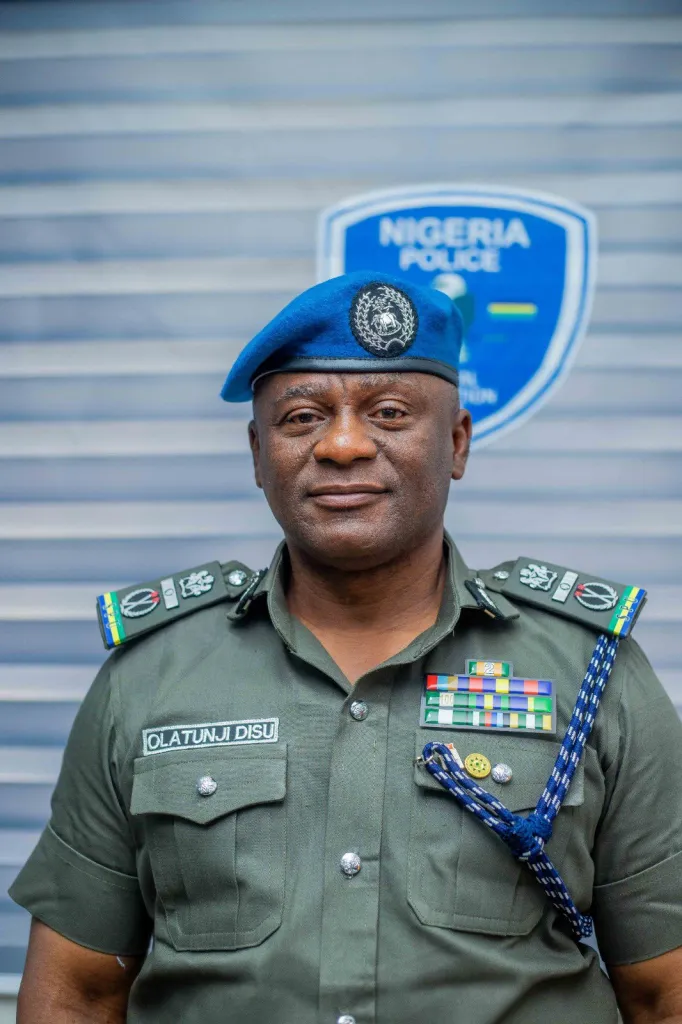
Inspector-General of Police, Olatunji Disu, has expressed readiness to support the realization of State Police in Nigeria, assuring officers that the proposed reform will not threaten their jobs.
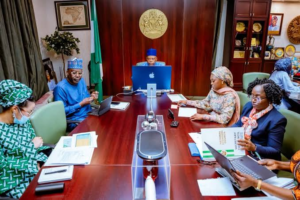
Disu made the remarks while speaking with State House correspondents shortly after he was sworn in on Wednesday by President Bola Ahmed Tinubu at the Presidential Villa in Abuja.
He explained that the creation of State Police should be viewed as a collaborative effort rather than a replacement for the current policing structure.
“State police has come to stay, and the police should be able to do their own part in making it succeed. The police are not afraid. Our jobs are not being taken. It’s just an issue of partnership,” he said.
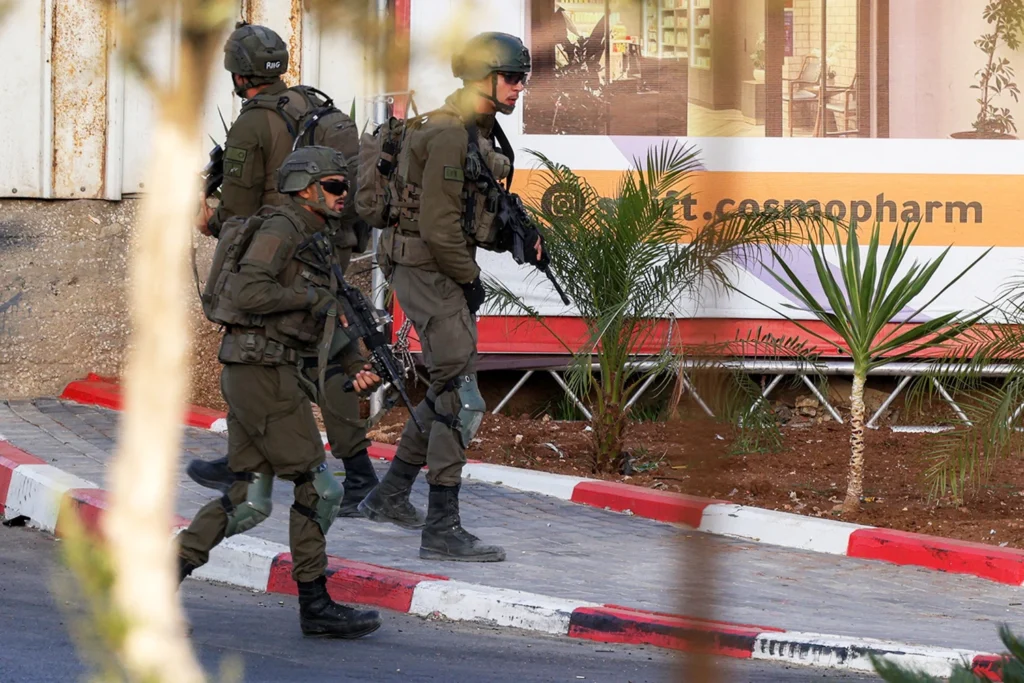
The new police chief also addressed protests in parts of the country linked to tensions in the Middle East, assuring that security agencies are closely monitoring developments to prevent escalation.
According to him, intelligence gathering remains crucial to ensuring that international events do not trigger unrest within Nigeria.
“Everywhere in the world, what we call intelligence policing is key. Our ears are to the ground. We know we have groups of people, different kinds of Islamic sects in Nigeria. We have those who pay allegiance to this eastern part of the world as well.
“So we know if anything happens in the eastern part of the world, the repercussion will come to us. So we are putting all necessary actions in place. You can see policemen on patrol, and most importantly, we are talking to them to ensure that they do not take laws and orders into their hands,” he said.
Speaking on his leadership philosophy, Disu stressed that the police must remain accountable to the Nigerian people.
“I made up my mind to ensure that my officers get to know that we are working for the people of the Federal Republic of Nigeria and the citizens of the country are our bosses,” he stated.
The IGP also disclosed that he had set up a committee to review issues surrounding the establishment of State Police, noting that the Nigeria Police must play an active role in shaping the reform.
“We don’t want it to seem as if others are taking decisions, and we, the most important people concerned, did not do anything,” he said.
Highlighting the challenges faced by officers, Disu noted that policing remains a demanding profession that often requires significant sacrifice.
“Our jobs are very difficult. Some few years ago, when I was Commissioner of Police FCT, I was bold enough to announce that we lost 140 policemen just in a year. So the jobs are difficult. Men sleep out. A lot of people don’t have time to go back to their families,” he added.
He emphasized that improving the welfare of officers would remain a priority under his leadership, expressing optimism about the support of President Tinubu toward strengthening the police force.