The International Monetary Fund (IMF) has warned that Nigeria and several other Sub-Saharan African countries are widening their fiscal deficits because national budgets are often built on unrealistic revenue projections and spending assumptions.
In a new research paper titled Budget Credibility in Sub-Saharan Africa, the IMF said weak budget credibility across the region is undermining fiscal discipline, debt sustainability, and long-term economic growth.
The report reviewed fiscal outcomes in 39 Sub-Saharan African countries between 2021 and 2024 and found that gaps between approved budgets and actual fiscal performance remain widespread and structural.
According to the IMF, many governments consistently record higher-than-planned deficits because projected revenues are often overly optimistic, while recurrent expenditures exceed approved limits.
“Capital spending is typically under-executed, especially when tax revenues fall short or grants are delayed,” the report stated.
“Deficits are frequently higher than planned, driven mainly by optimistic revenue projections and overspending on primary current expenditures.”
The Fund noted that expenditures on wages, subsidies, goods and services, and social transfers often go beyond budget ceilings, thereby increasing pressure on public finances.
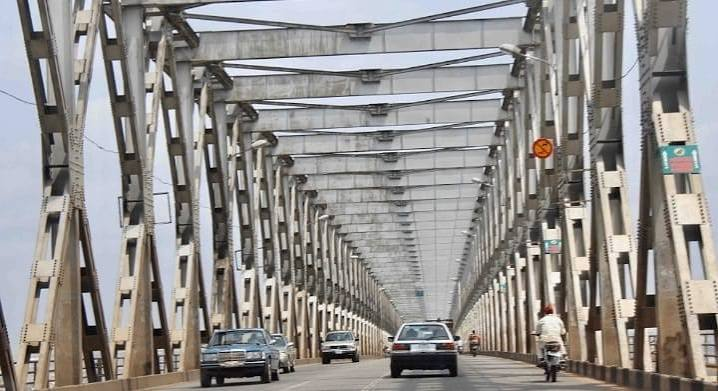
It added that capital projects such as roads, schools, hospitals, and other infrastructure are usually the first to suffer during fiscal stress, with many projects delayed, scaled down, or abandoned when revenues fall or external financing is delayed.
The IMF also said interest payment obligations are frequently underestimated, worsening financing pressures and contributing to larger deficits.
According to the report, the recurring fiscal slippages across the region reflect deeper institutional weaknesses rather than temporary economic shocks or simple forecasting errors.
The Fund observed that countries with stronger fiscal institutions generally recorded smaller gaps between projected and actual outcomes, while nations operating under IMF-supported programmes showed better fiscal discipline due to tighter oversight and policy controls.
By contrast, low-income and fragile states recorded wider fiscal deviations because of weak administrative systems and limited financing capacity.
The report further stated that fiscal discipline tends to weaken during election periods, as governments face increased political pressure to spend beyond approved budgets.
The IMF stressed that budget credibility goes beyond accurate forecasting and reflects the quality of fiscal governance, expenditure controls, and implementation capacity.
The warning comes as Nigeria plans increased borrowing for 2026.
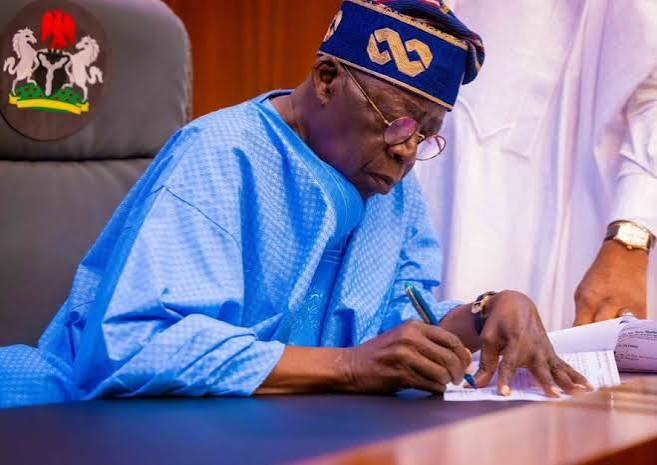
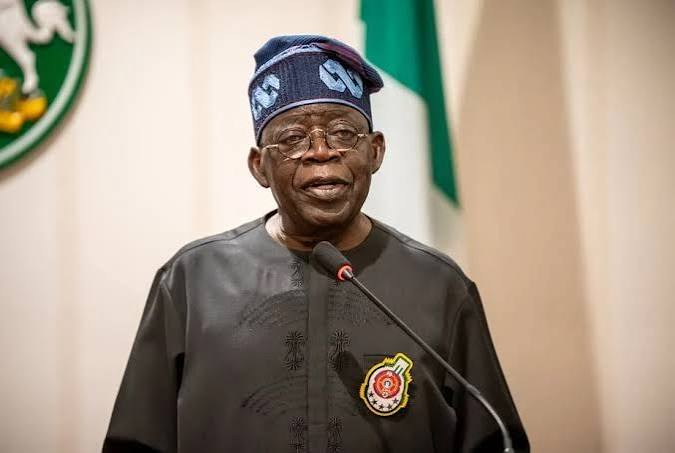
President Bola Ahmed Tinubu had earlier asked the Senate to approve an increase of the 2026 Appropriation Bill by N9 trillion, raising the proposed budget from N58.4 trillion to N67.4 trillion.
Following the adjustment, the Federal Government’s planned borrowing rose to N29.20 trillion, representing an increase of N11.31 trillion from the earlier estimate of N17.89 trillion.