The United States military said it carried out overnight “self-defense” strikes against Iranian targets and intercepted missiles and drones launched toward Gulf nations and commercial shipping, marking another escalation in tensions as negotiations to end the conflict remain deadlocked.
According to the U.S. Central Command, the strikes targeted facilities on Qeshm Island and were conducted in response to what Washington described as attempted Iranian attacks across the region.
Centcom said Iran launched two ballistic missiles toward Kuwait and three toward Bahrain. U.S. officials said the missiles either broke apart in flight or were intercepted before reaching their targets.
Iran, meanwhile, said it had carried out retaliatory strikes against U.S. military assets in an unnamed regional country, using a combination of missiles and drones.
Kuwaiti authorities reported that one person was killed and several others injured after drones struck multiple sites, including areas near the country’s international airport. The Foreign Ministry said the attacks also caused damage to infrastructure and diplomatic facilities.
Kuwait’s Defense Ministry condemned the incident, with spokesperson Brig. Gen. Saud Abdulaziz Al-Otaibi describing it as “criminal Iranian aggression.”
The U.S. military said its operation on Qeshm Island targeted an Iranian military ground-control station. American forces also intercepted three attack drones that officials said had been launched toward commercial vessels transiting regional waters.
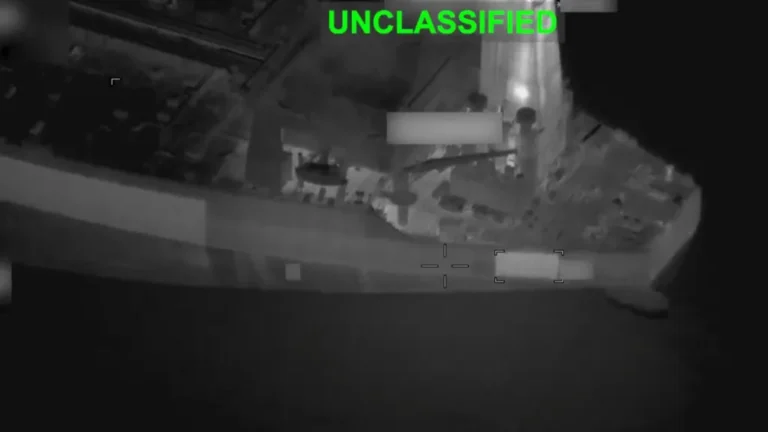
Earlier, Centcom announced that U.S. forces had disabled a tanker headed toward Iran as part of the maritime blockade in the Strait of Hormuz.
According to the military, a U.S. aircraft fired a Hellfire missile into the engine compartment of the Botswana-flagged vessel after its crew allegedly ignored repeated warnings to change course.
Iran’s Islamic Revolutionary Guard Corps responded by warning that any disruption to navigation and security in the Strait of Hormuz would carry significant consequences for U.S. forces.
In a separate statement, Iran’s Foreign Ministry accused the governments of Kuwait and Bahrain of bearing responsibility for what it described as acts of aggression linked to the U.S. military presence in the region.
The latest hostilities come as efforts to secure a broader ceasefire and end the conflict have stalled. Negotiations between Washington and Tehran failed to produce a breakthrough over the weekend, leaving key issues unresolved.
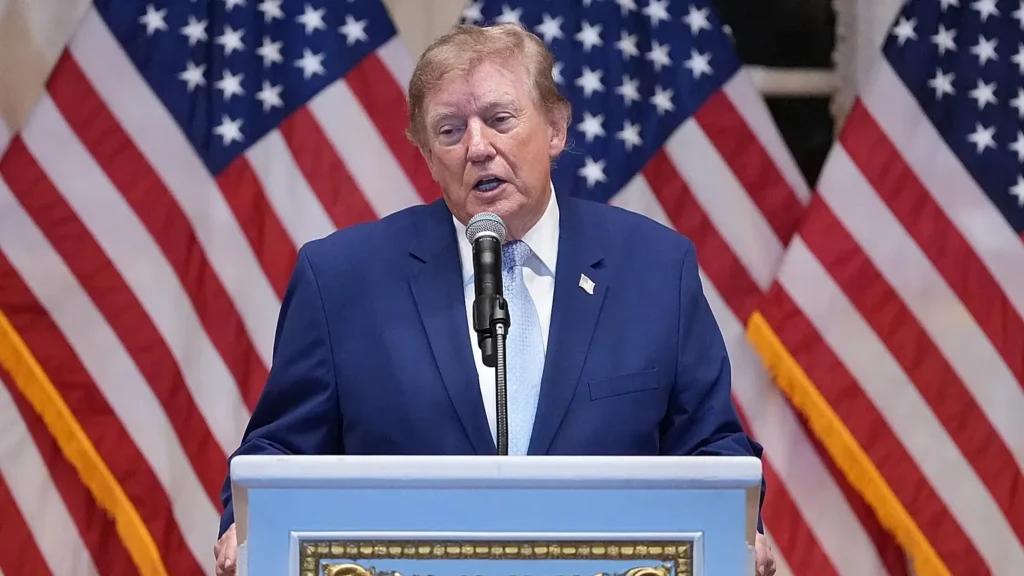
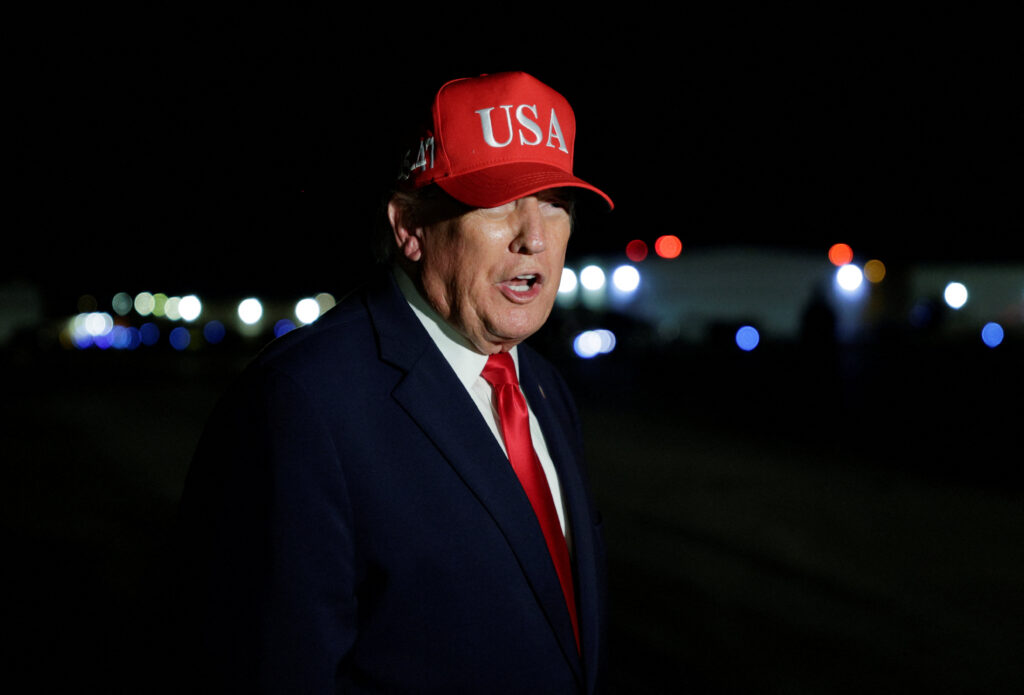
Despite the setback, President Donald Trump has expressed confidence that an agreement remains possible.
Earlier this week, Trump urged critics to remain patient, saying Iran “really wants to make a deal” and predicting that any eventual agreement would be beneficial to the United States.
With military confrontations continuing and diplomatic talks struggling to gain momentum, uncertainty remains over the future of the ceasefire and stability in one of the world’s most strategically important regions.