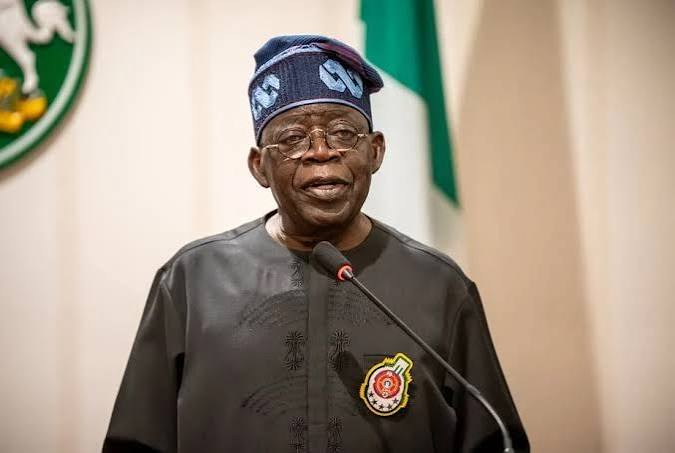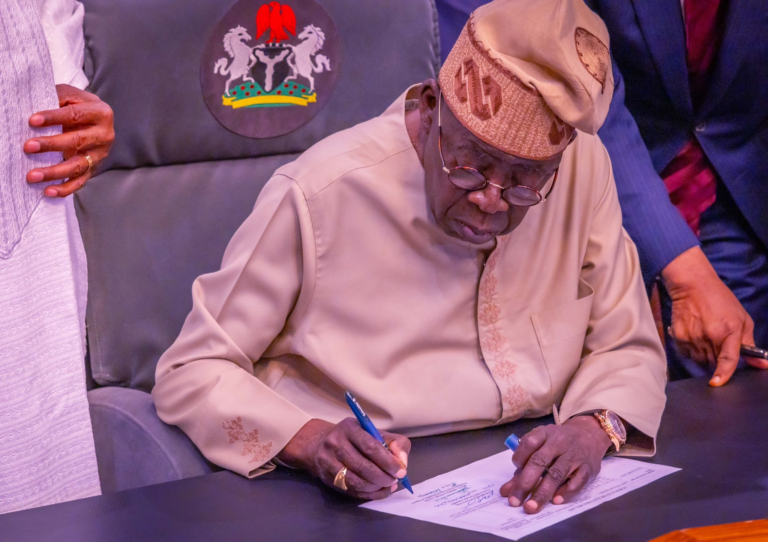
President Bola Ahmed Tinubu has signed the 2026 Appropriation Bill into law, authorising a total federal expenditure of ₦68.32 trillion for the fiscal year.
The President also assented to an amendment extending the implementation period of the 2025 budget from March 31 to June 30, 2026, to allow the completion of ongoing capital projects.
This was disclosed in a statement issued on Friday by the Special Adviser to the President on Information and Strategy, Bayo Onanuga.
A breakdown of the 2026 budget shows ₦4.799 trillion allocated for statutory transfers, ₦15.8 trillion for debt servicing, ₦15.4 trillion for recurrent expenditure, and ₦32.2 trillion for capital expenditure under the Development Fund.
With capital spending accounting for about 50 per cent of the total budget, the fiscal plan underscores the administration’s focus on infrastructure development, national security, and productivity-driven investments aimed at improving Nigerians’ quality of life.
Onanuga said the extension of the 2025 budget would ensure the “full and effective utilisation of appropriated funds,” particularly for critical infrastructure projects nearing completion. He added that the move would enable Ministries, Departments, and Agencies to consolidate ongoing projects, improve delivery timelines, and maximise value for public spending.
The 2026 Appropriation Act, which took effect from April 1, marks the start of a new fiscal cycle aligned with the administration’s Renewed Hope Agenda.
President Tinubu directed all Ministries, Departments, and Agencies to ensure disciplined, transparent, and efficient use of public funds, stressing adherence to value-for-money principles and timely project execution.
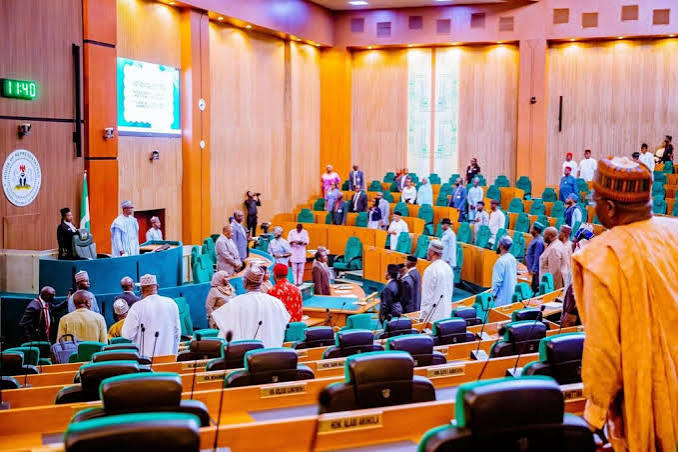
He also commended the leadership and members of the National Assembly for the swift passage of the budget, reaffirming the importance of collaboration between the executive and legislative arms of government.
Reassuring Nigerians of his commitment to fiscal discipline, the President pledged to deepen ongoing reforms, boost revenue generation, and prioritise investments that will drive economic growth, create jobs, and strengthen social protection systems.