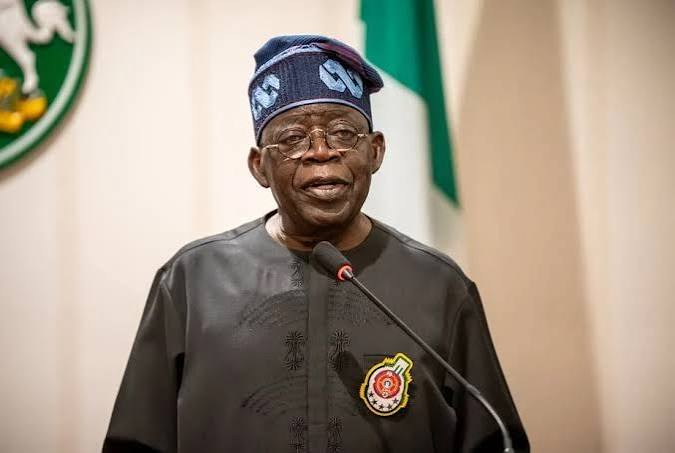
Aloy Ejimakor, legal counsel to Nnamdi Kanu, has warned that President Bola Ahmed Tinubu and political actors in the South-East could face electoral setbacks in 2027 if his client is not released.
Kanu, leader of the Indigenous People of Biafra (IPOB), is currently serving a life sentence following his conviction on charges of terrorism and treasonable felony.
In a post on X, Ejimakor cautioned South-East politicians seeking elective positions, suggesting that Kanu’s continued detention could influence voter sentiment in the region.
“Southeast politicians, aspiring to contest the 2027 elections should bear this in mind: If MAZI NNAMDI KANU is not freed in the near term, it will ruin your chances in the 2027 elections. Don’t ask me how. The same fate awaits President Tinubu, because SE will remember,” he wrote.
Ejimakor also renewed criticism of the 2017 proscription of IPOB, arguing that the designation as a terrorist organisation was politically motivated rather than based on security concerns.
Citing international opinions, he noted that United Nations rapporteurs had, in October 2020, urged Nigeria to reconsider the ban, warning that proscription should not be used to suppress legitimate political expression or restrict freedom of association.
He further referenced Opinion No. 25/2022 of the United Nations Human Rights Council, which described Kanu’s detention as arbitrary and called for his unconditional release and compensation.
Ejimakor also pointed to a March 2018 directive by the African Commission on Human and Peoples’ Rights, urging Nigeria to rescind the terrorist designation of IPOB and avoid actions that could cause irreparable harm.
On the domestic front, he cited a 2023 ruling by an Enugu State High Court, which declared the proscription “illegal, unconstitutional, null and void,” and awarded damages to Kanu.
He further argued that neither the United States nor the United Kingdom has designated IPOB as a terrorist organisation, noting that both countries declined Nigeria’s request after assessing available evidence.
According to Ejimakor, the continued designation reflects ethnic bias and has led to rights violations, including unlawful arrests and suppression of political expression.
“De-proscription is not clemency; it is justice. It restores constitutional equality, complies with binding international opinions, and ends the weaponisation of anti-terror laws against one ethnic group. Nigeria’s government must act now to repeal the proscription, release those held solely for IPOB affiliation, and engage in genuine dialogue,” he said.