The world’s largest airlines are urging the United Nations’ aviation authority to raise the international mandatory retirement age for commercial pilots from 65 to 67, amid mounting concerns over a global pilot shortage.
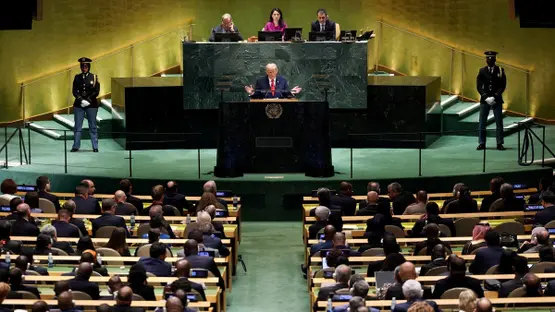
The request, submitted by the International Air Transport Association (IATA), is set to be reviewed during the International Civil Aviation Organization’s (ICAO) General Assembly starting on September 23. Representing approximately 350 airlines worldwide, IATA described the proposed change as a “cautious but reasonable” adjustment that maintains safety standards while addressing staffing needs.
Under current rules, pilots over the age of 65 are prohibited from flying international routes. Many countries, including the United States, have mirrored this restriction in their domestic aviation policies. IATA’s recommendation maintains a requirement for two pilots in the cockpit, stipulating that at least one must be under 65 when flying with an older co-pilot.
This initiative would mark the first revision to the age limit since ICAO raised it from 60 to 65 in 2006. With global air travel surging after the pandemic, airlines warn that shortages in experienced pilots could threaten service reliability and future growth.
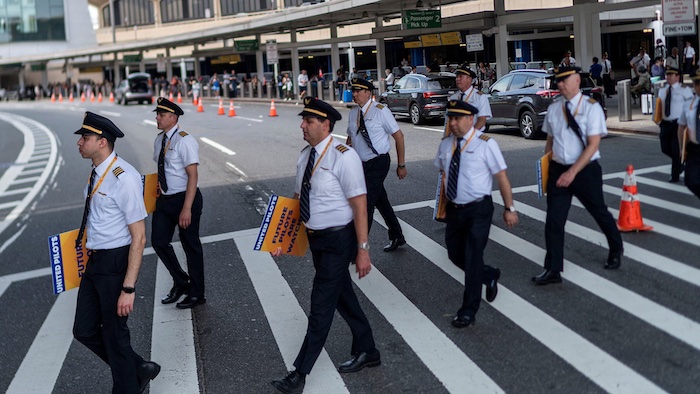
However, the proposal has ignited resistance, particularly from major pilot unions in the U.S. The Allied Pilots Association (APA), which represents American Airlines pilots, has voiced strong objections, warning that not enough research has been conducted into the potential health and safety implications of extending pilot careers.
“We don’t gamble with safety,” said APA spokesperson Dennis Tajer.
Similar concerns have been echoed by other prominent unions, including the Air Line Pilots Association and the Southwest Airlines Pilots Association. A previous attempt to raise the retirement age in 2023 was blocked, largely due to organized union opposition, despite broad support from airline companies.
Last month, a bipartisan group of lawmakers in the United States called on President Donald Trump’s administration to back the international push, signaling that political momentum behind the idea may be building.
If adopted, the policy change could have far-reaching consequences for global aviation—temporarily easing the strain on airline staffing while reigniting debate over the balance between operational demand and passenger safety.