A New York appeals court has overturned a $527 million civil fraud penalty imposed on U.S. President Donald Trump, while affirming that he and his two eldest sons committed financial fraud and upholding a temporary ban on them serving as corporate directors.
The case stems from a lawsuit filed by the New York Attorney General, which accused Trump of inflating the value of his assets on financial statements to obtain favorable loans and insurance. A trial court had previously found Trump and his business empire liable, imposing a $355 million penalty that ballooned to $527 million with interest and additional fines.
On review, the appellate panel ruled that the size of the penalty was excessive, stating it violated constitutional protections against disproportionate punishment. However, the court upheld the underlying fraud findings and confirmed that Trump, along with Donald Trump Jr. and Eric Trump, had submitted misleading financial documentation for years.
While the financial blow has been averted for now, the ruling maintains significant consequences for Trump and his business operations. The court reaffirmed a temporary ban preventing Trump and his sons from serving as officers or directors of New York-based companies, although enforcement of this restriction remains paused pending further appeals.
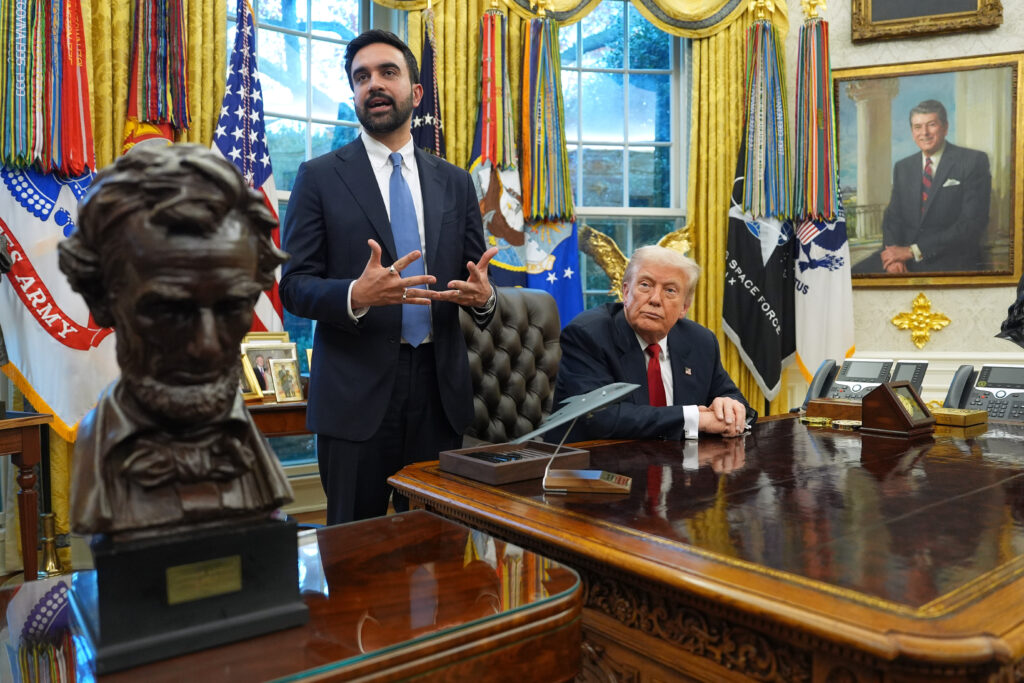
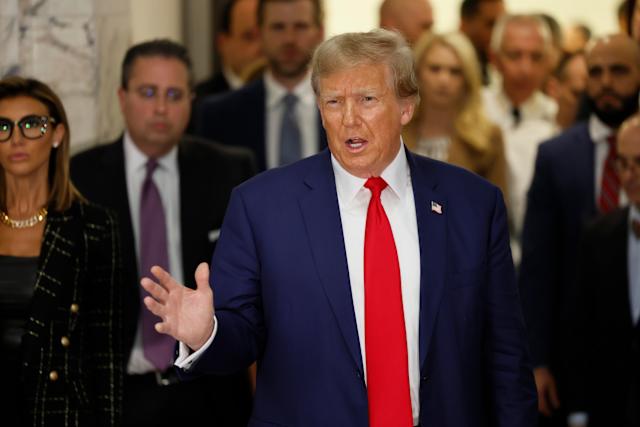
President Trump celebrated the decision, describing it as a victory for fairness and business in New York. He reiterated his stance that the case was politically motivated and that all loans and insurance agreements had been repaid in full.
The Attorney General, while acknowledging the reduced penalty, emphasized that the court’s affirmation of fraud was a substantial victory and confirmed the original findings of deceit in Trump’s business practices.
The ruling was notably divided. Some judges questioned the political motives behind the prosecution, while others expressed concern over the scale of the financial penalty. One judge accused the state of using the lawsuit as a political weapon rather than a neutral enforcement action.
The case may now proceed to New York’s highest court for a final ruling, depending on whether either side files an appeal.
The decision comes as the Trump administration also secured a policy win in a separate case. The U.S. Supreme Court recently allowed federal agencies to move forward with cuts to research funding for diversity and inclusion initiatives, following the administration’s efforts to redirect resources away from what it describes as “ideological projects.”
Together, the outcomes illustrate the evolving legal and political landscape surrounding Trump’s second term in office—marked by both judicial pushback and institutional support on different fronts.