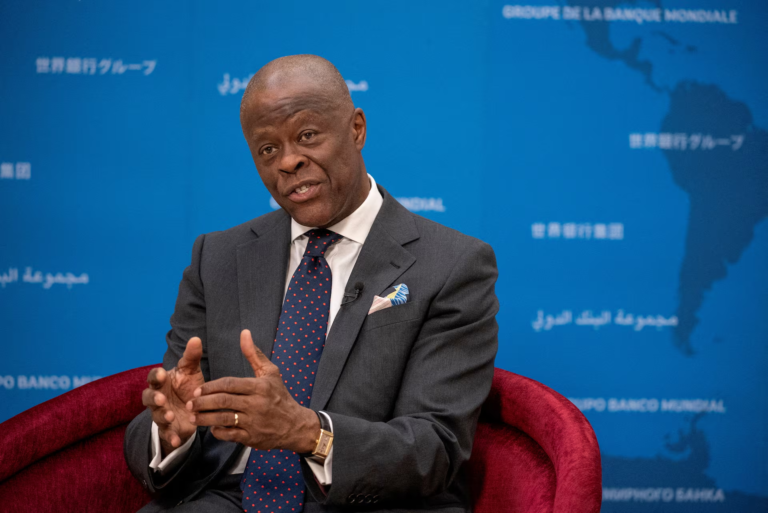
The Minister of Finance and Coordinating Minister of the Economy, Wale Edun, has said Nigeria has no immediate plans to borrow from the International Monetary Fund (IMF) or any other multilateral financial institution.
Edun made the disclosure during the Finance Ministers’ press briefing at the ongoing IMF–World Bank Spring Meetings in Washington DC, stressing that the country is not considering external borrowing at this time.
“Nigeria has no plans at the moment to approach the IMF or any other institution to borrow funds,” he said.
He, however, expressed concern over the high cost of borrowing for African economies, noting that elevated interest rates and debt servicing obligations continue to strain government revenues across the continent.
According to him, a significant portion of national income in many African countries is diverted to debt repayment rather than critical sectors such as health and education.
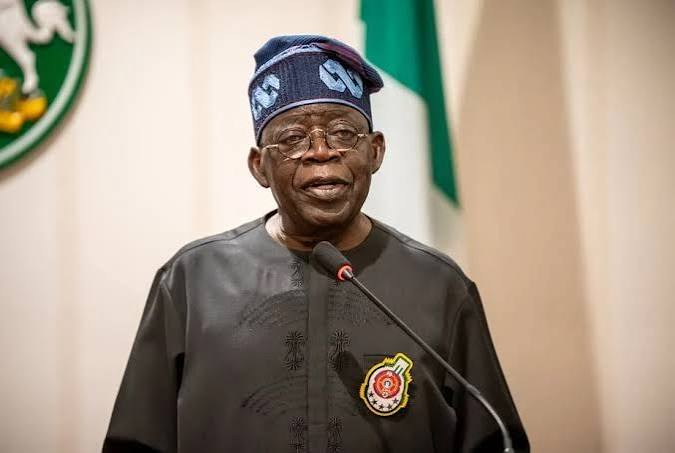
Edun said President Bola Ahmed Tinubu has also advocated for a review of the premium charged on loans to African countries, calling for more affordable financing to support development.
He added that economic reforms, improved GDP ratios, and increased use of technology and automation are necessary to reduce reliance on expensive debt.
The minister also urged the International Monetary Fund to expedite the release of proposed financial support for economies affected by global crises, saying vulnerable African countries should benefit most from such assistance.
Beyond borrowing discussions, Nigeria also reaffirmed its commitment to hosting the African Monetary Institute (AMI), part of broader efforts to strengthen continental financial integration.
Central Bank of Nigeria Governor Yemi Cardoso and other officials said Nigeria has made significant progress in preparing Abuja as the host city for the institute, which is expected to begin operations in September 2026.
The AMI, approved by African Union leaders, is designed to promote monetary coordination, macroeconomic convergence, and long-term financial integration across Africa.
Officials said Nigeria has already provided office facilities and logistical support, signalling readiness to meet its host country obligations.
Stakeholders at the event, including representatives of the African Development Bank and the African Union Commission, described the initiative as a critical step toward building a more unified African financial system and improving regional economic stability.