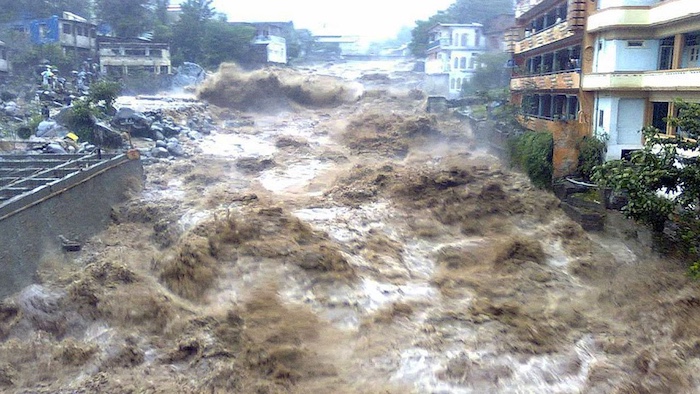
Flash floods triggered by sudden cloudbursts have killed more than 280 people across India and Pakistan in the past day, with dozens still missing and thousands stranded, officials said Friday. Authorities warn the toll is likely to rise as rescuers battle dangerous conditions to reach cut-off communities.
In Pakistan’s northwestern Bajaur district, a military helicopter delivering relief supplies crashed in poor weather, killing all five personnel on board, including two pilots. Officials said the aircraft was en route to flood-hit villages when it went down.
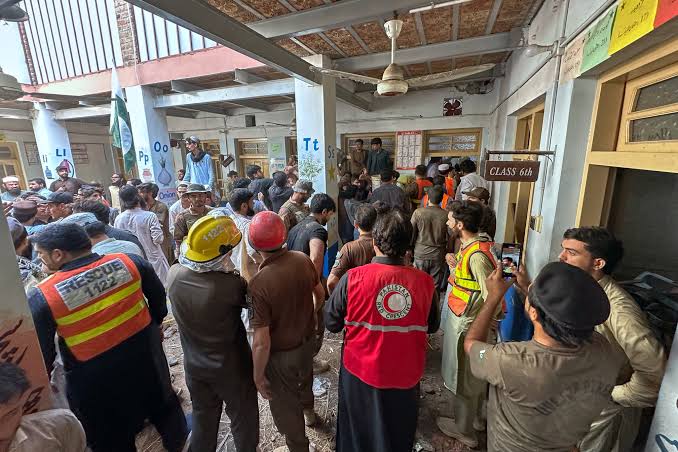
The worst devastation was reported in Buner district, where at least 157 people died on Friday alone. According to provincial emergency spokesperson Mohammad Suhail, many victims were buried under collapsed homes or drowned in submerged villages. A state of emergency has been declared, with dozens still missing.
Since June 26, rain-related disasters have killed at least 556 people nationwide. In Khyber Pakhtunkhwa province, rescue workers saved 1,300 stranded tourists in Siran Valley and evacuated nearly 2,000 others from flood-affected mountain resorts.
In Indian-administered Kashmir, the village of Chositi in Kishtwar district was devastated after a cloudburst unleashed flash floods and landslides. At least 60 people were killed and 80 remain missing.
Hundreds of residents, along with Hindu pilgrims visiting a nearby 3,000-meter-high shrine, were swept away by floodwaters. The surge destroyed the main community kitchen serving over 200 pilgrims, flattened homes, and carried away vehicles. Rescue teams, joined by locals, used heavy machinery and makeshift bridges to retrieve bodies and clear debris. At least 50 injured people are being treated in hospitals.
Experts warn that climate change is intensifying extreme weather, making cloudbursts more destructive. A recent World Weather Attribution study found Pakistan’s rainfall between June 24 and July 23 was 10–15% heavier because of global warming. Unplanned development in mountainous regions has further magnified the destruction.
Authorities in both countries have issued new warnings for floods and landslides, urging people to avoid high-risk zones. With more heavy rainfall forecast, rescue operations remain under way in treacherous conditions.
The twin disasters underscore the growing vulnerability of South Asia’s mountain regions to climate-driven extreme weather events, leaving both countries struggling to save lives while bracing for further devastation.