Colombian President Gustavo Petro on Wednesday claimed that the most recent boat targeted by U.S. military forces in the Caribbean Sea was Colombian and carried Colombian citizens, raising tensions over the legality and transparency of the U.S. strike campaign in the region.
Speaking publicly for the first time about the incident, Petro said, “The last boat hit by the U.S. military was Colombian, with Colombian nationals aboard.” His comments followed growing regional concern over an escalating series of U.S. military strikes under President Donald Trump’s anti-narcotics campaign.
A U.S. official familiar with the matter confirmed that at least one of the boats struck in the operation was believed to be Colombian. However, the White House dismissed Petro’s claim as “baseless,” reiterating that Colombia remains an essential strategic partner in the fight against transnational crime.
“The United States continues to work closely with the Colombian government. Any suggestion that we have targeted Colombian citizens intentionally is without merit,” a White House spokesperson said.
The accusation is likely to fuel growing criticism of President Trump’s Caribbean drug interdiction campaign, which has seen a series of deadly strikes on vessels in international waters—often without clear public disclosure of the targets or nationalities involved.
In the most recent incident, on October 3, Defense Secretary Pete Hegseth announced that he had authorized a U.S. military strike on a boat allegedly transporting narcotics off the Venezuelan coast, resulting in the death of four individuals. The operation was carried out in international waters, but details surrounding the identities of those killed have not been made public.
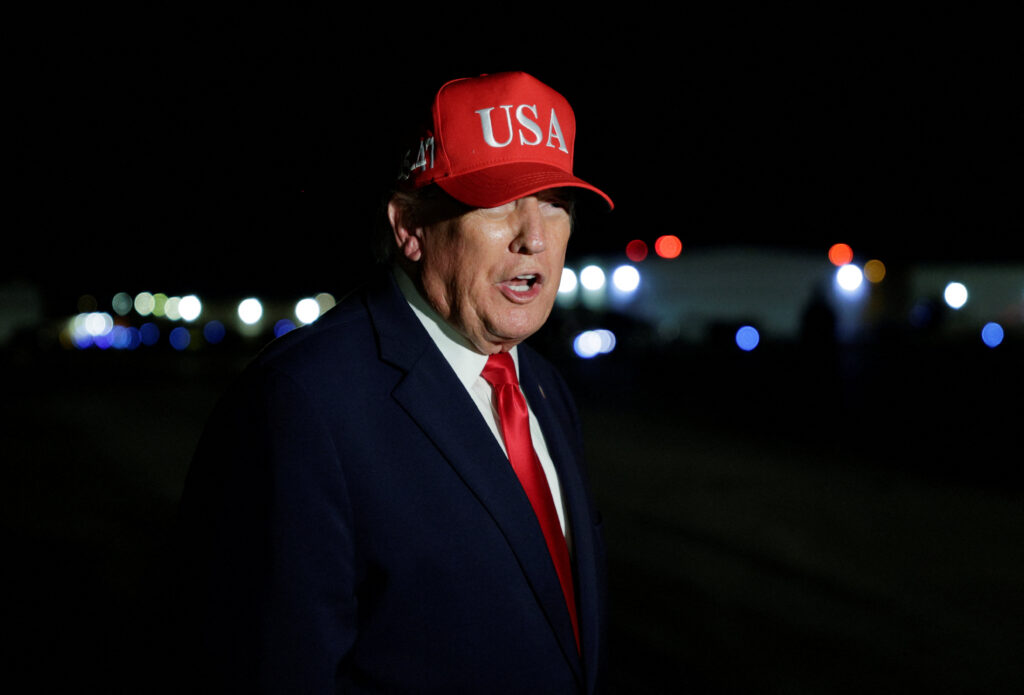
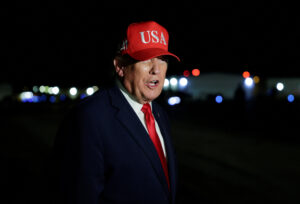
President Trump has repeatedly blamed Venezuelan President Nicolás Maduro for enabling drug trafficking through Caribbean routes and has declared before Congress that the U.S. is engaged in an “armed conflict” with drug cartels.
“This is a matter of national security,” Trump said earlier this month. “These cartels threaten our communities, and their state sponsors will be held accountable.”
Petro’s remarks mark a rare public rebuke of U.S. military actions by Colombia, traditionally one of Washington’s closest allies in Latin America. While both nations cooperate extensively on counter-narcotics operations, Petro’s administration has signaled a shift toward greater regional autonomy and less militarized drug policy.
Analysts warn that the incident could strain diplomatic relations, especially if Colombian casualties are confirmed and no prior coordination with Bogotá is established.
“If Colombian nationals were killed without prior notice or consent, this could become a serious diplomatic crisis,” said Santiago Vargas, a Latin America analyst based in Medellín.
Neither the Pentagon nor Colombia’s Ministry of Defense has released the names of the individuals killed or further details about the vessel’s origin or mission.
The incident comes amid renewed calls by regional leaders and human rights groups for greater transparency in U.S. overseas military actions, particularly those involving lethal force in areas with civilian maritime traffic.
As tensions simmer, both Washington and Bogotá face mounting pressure to clarify the facts surrounding the Oct. 3 strike—and prevent any further erosion of trust between two historic allies.