Iran has presented a proposal to the United States aimed at reopening the Strait of Hormuz and ending hostilities, while postponing negotiations over its nuclear program, according to regional sources.
The proposal was discussed Monday during a meeting between U.S. President Donald Trump and his national security team, though officials indicated no decision has been made on how to proceed. White House Press Secretary Karoline Leavitt said the administration’s position on Iran’s nuclear activities remains unchanged.
“The president’s red lines have been made very clear,” Leavitt said, referring to Washington’s demand that Iran halt uranium enrichment—one of the central sticking points in negotiations.
Gulf states are expected to review the proposal in a regional meeting, as they balance concerns over Iran’s nuclear ambitions with the urgent need to restore shipping through the Strait of Hormuz, a critical global energy route.
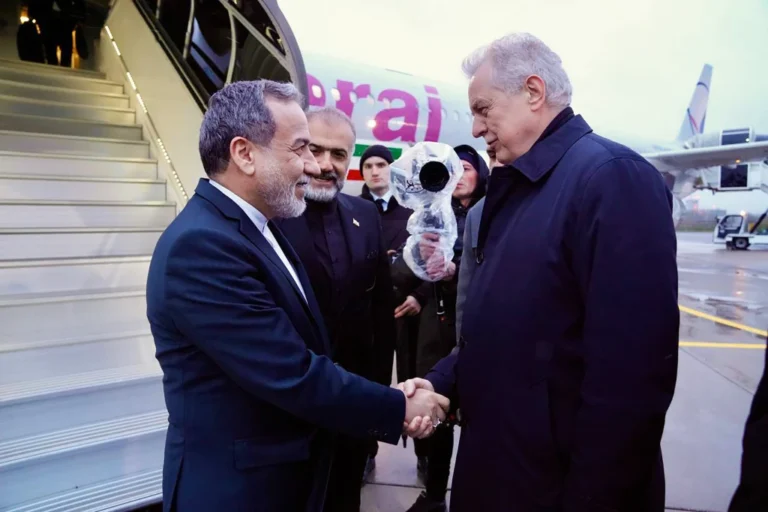
Diplomatic efforts remain stalled. Iran has declined direct talks with U.S. officials, instead relaying its position through intermediaries in Pakistan. Iranian Foreign Minister Abbas Araghchi recently traveled to Islamabad for consultations before heading to Moscow for talks with Russian President Vladimir Putin.
Following their meeting, Araghchi criticized U.S. demands as excessive, while Putin voiced support for Iran and emphasized continued cooperation. The Russian leader also confirmed receiving a message from Iran’s new supreme leader, Mojtaba Khamenei.
Trump last week extended the ceasefire indefinitely but canceled a planned diplomatic mission to Pakistan, citing a lack of progress. He has urged Iran to initiate direct contact, stating that negotiations could resume if Tehran presents acceptable terms.
Despite mounting economic pressure from U.S. sanctions and a naval blockade restricting oil exports, Iran has maintained leverage by limiting access through the Strait of Hormuz, contributing to volatility in global energy markets.
With both sides holding firm on core demands, prospects for a comprehensive agreement remain uncertain.