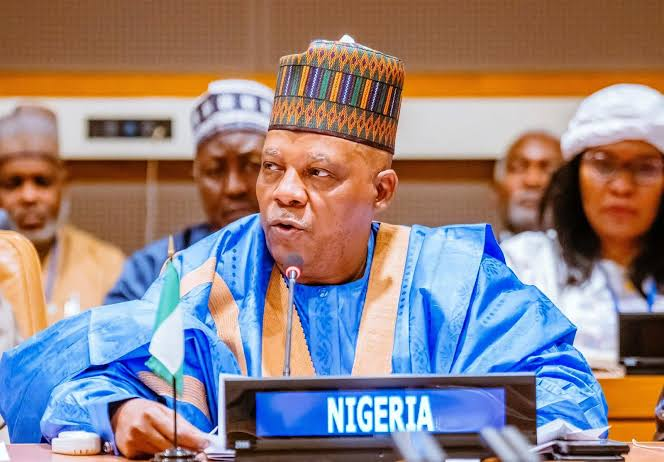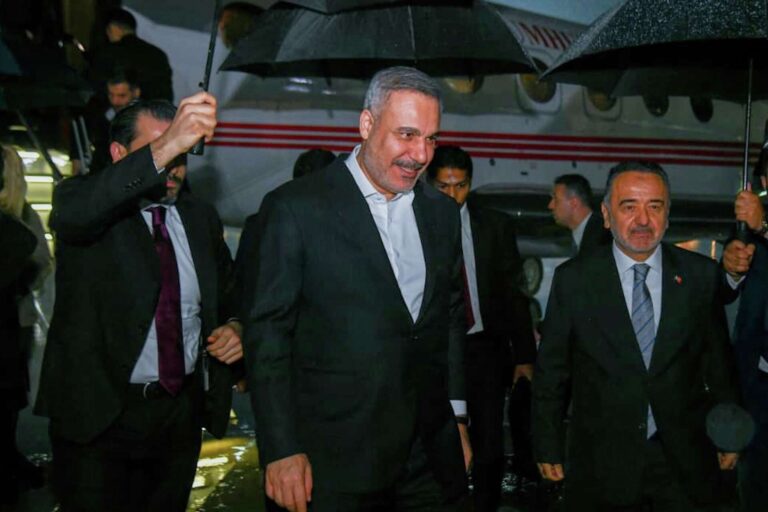
Top diplomats from several key regional powers convened in Islamabad on Sunday in an effort to find a path to end the escalating Middle East conflict, but signs of progress remained limited as fighting continued across the region.
Foreign ministers from Saudi Arabia, Turkey, and Egypt took part in the talks, according to Pakistani officials. Prime Minister Shehbaz Sharif said he also held “extensive discussions” with Iranian President Masoud Pezeshkian regarding the ongoing hostilities.
The diplomatic push comes as the war—now in its fourth week—continues to intensify. The conflict began with joint U.S. and Israeli strikes on Iran, prompting retaliatory attacks by Tehran on Israel and several Gulf states. More than 3,000 people have been killed since the fighting began.
The crisis has also disrupted global energy markets, with Iran asserting control over the Strait of Hormuz, a key route for oil and gas shipments, sending shockwaves through international markets.
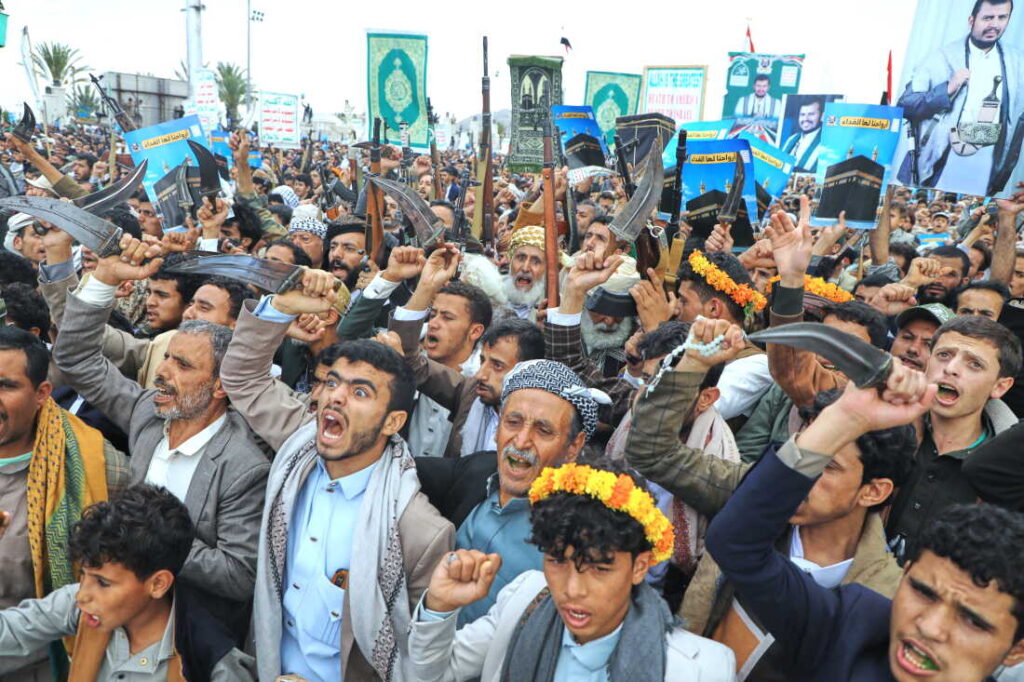
Neither the United States nor Israel participated in the Islamabad talks. Meanwhile, Washington has increased its military presence in the region, and Houthi movement fighters have entered the conflict, raising fears of further escalation and disruption to global shipping lanes.
On the ground, hostilities showed no signs of easing. Israel reported incoming Iranian missile barrages on Sunday, while explosions were heard across Tehran, underscoring the continuing intensity of the conflict despite diplomatic efforts.