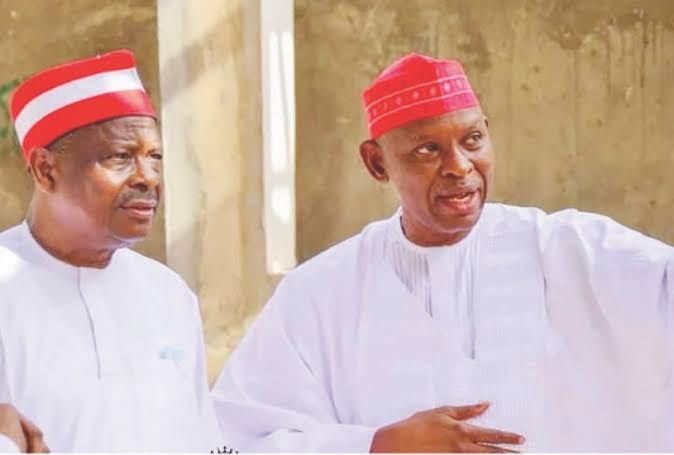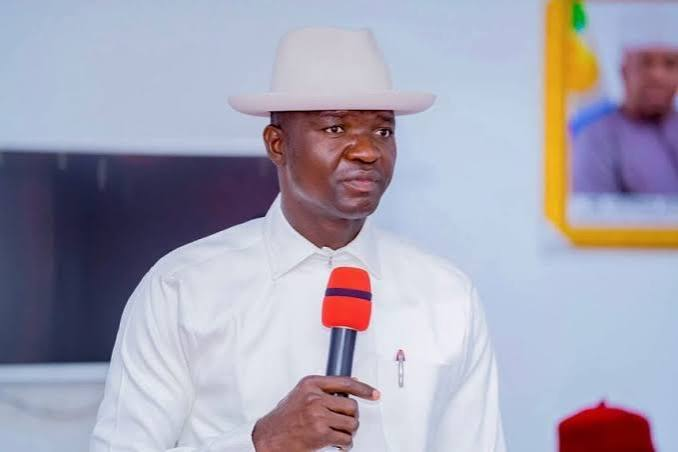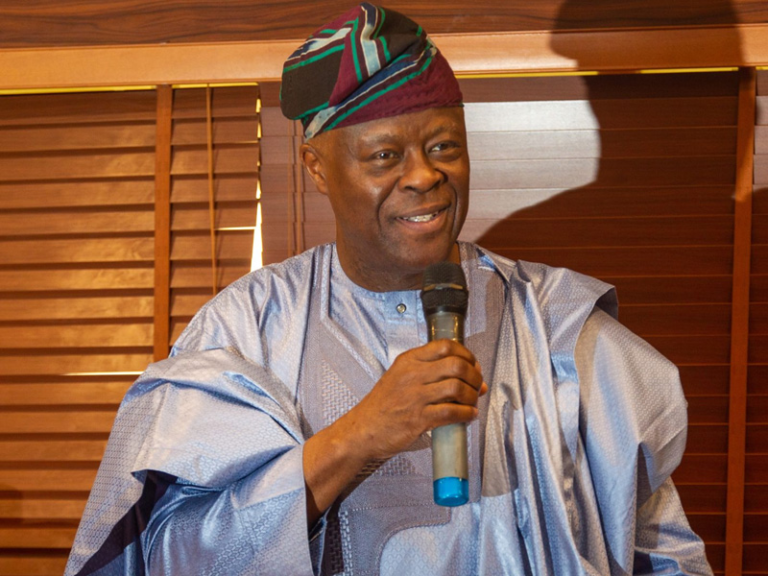
Minister of Finance and Coordinating Minister of the Economy, Wale Edun, has said Nigeria is on a path of economic stabilisation and recovery despite current hardships.
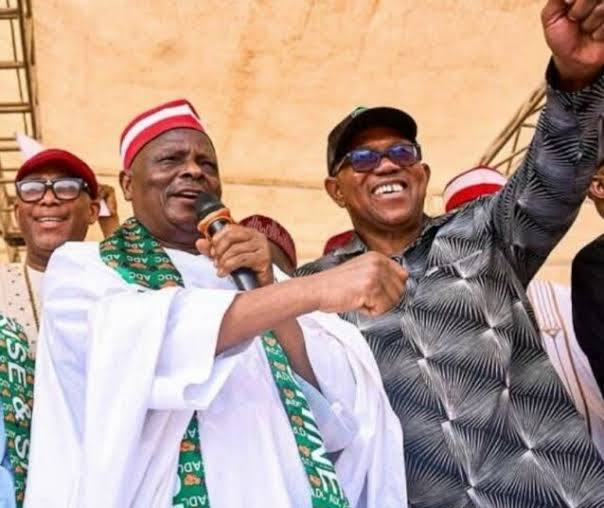
Edun spoke on Friday at the All Progressives Congress (APC) national convention in Abuja, where he addressed concerns over the economic situation and defended ongoing reforms.
“The hardship we see today is there, but it is the cost of correcting imbalances. What matters is the direction of travel,” he said.
According to the minister, the reforms are beginning to yield results, with economic growth improving from about 2 percent in previous years to approximately 4 percent currently, though he noted this remains below expectations.
“Growth has strengthened. It has doubled from about 2 percent previously to now about 4 percent per annum, which is still not enough,” he added.
Edun said the government is targeting a growth rate of about 7 percent in the medium term to significantly reduce poverty and improve living standards.
He noted that reforms have helped restore economic credibility, improve fiscal conditions, and rebuild investor confidence, both locally and internationally. He also highlighted efforts to eliminate distortions in key sectors such as foreign exchange and petroleum, which had previously weakened the economy.
“We did not continue with a broken system. We chose to act. We chose reform over delay and Nigeria over politics,” he said.
The minister further outlined plans to drive long-term growth, including building a $1 trillion economy through investments in power, agriculture, and the digital economy.
He disclosed that the government is working to attract private sector investment into the power sector through new financing structures, expand support for farmers, and strengthen industrial financing through institutions like the Bank of Industry (BoI).
Edun also emphasised the potential of the digital economy to create jobs, especially for young Nigerians, noting that improved data infrastructure could enable more citizens to earn income remotely.
He concluded that Nigeria must transition “from stabilisation to growth, from hardship to opportunity, and from potential to prosperity.”