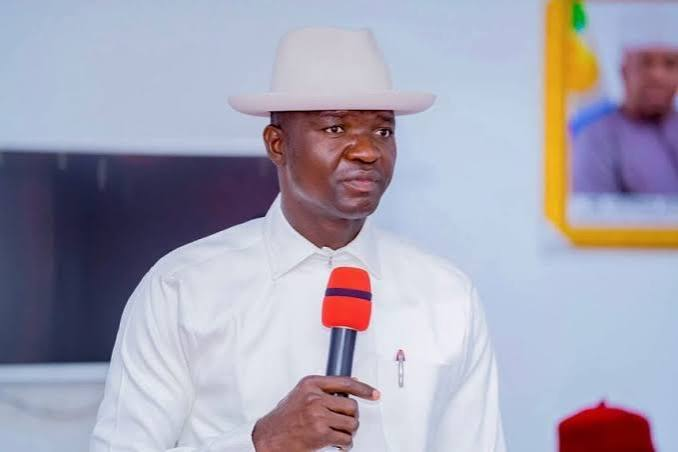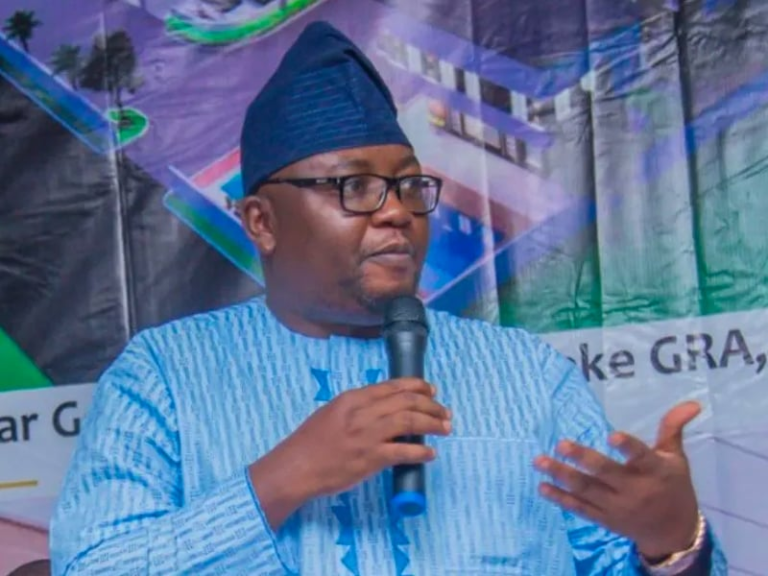
Minister of Power, Adebayo Adelabu, has apologised to Nigerians over the current epileptic power supply, assuring that noticeable improvements will begin within two weeks.
Speaking with journalists in Abuja on Tuesday, Adelabu attributed the situation to gas supply shortages affecting power generation, but expressed optimism that ongoing interventions would soon ease the crisis.
He said repairs to key gas pipelines particularly the one from Seplat and efforts to ensure gas suppliers meet their domestic obligations would help restore stability to the power sector.
“Once the gas line repairs, particularly the one from Seplat, are completed and the committee ensures that gas companies meet their domestic supply obligations to power plants, timely payments will encourage gas suppliers and lead to improved power supply in the country,” he said.
“We want to apologise to Nigerians for this temporary problem, which is causing hardship, especially during this dry season when the heat is intense and businesses, schools, and homes are being affected,” he added.
The minister explained that about 75 per cent of Nigeria’s power plants depend on gas, while 25 per cent is generated from hydro sources, noting that insufficient gas supply leaves turbines idle and limits electricity output.
“It is not our wish to find ourselves in this situation, but there are factors beyond our control. We are not relenting. We are working around the clock to return to the trajectory we achieved in 2025, when we were commended for a job well done.
“If we were able to provide such service in 2025, then in 2026, we are determined to do even more and do better,” he said.
Adelabu further disclosed that power generation is expected to improve in the coming weeks, with a target of reaching 6,000 megawatts before the end of 2026.
He also revealed that the sector has attracted over $3 billion in private sector investments in the past two years, supported by a comprehensive national electricity policy and strategic implementation framework guiding stakeholders across government and the private sector.
“This document clearly outlines what is expected of each player, their responsibilities, and their limitations,” he said.