Iran launched multiple waves of missiles at Israel on Tuesday, the Israeli military said, underscoring the intensifying conflict despite U.S. claims of progress toward a potential ceasefire.
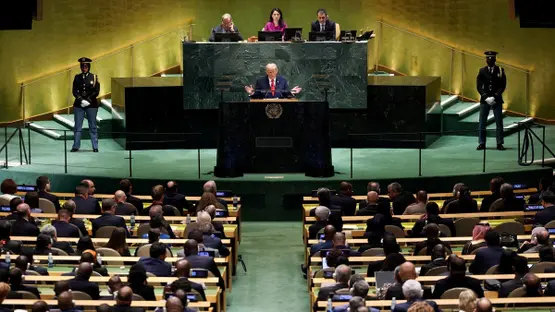
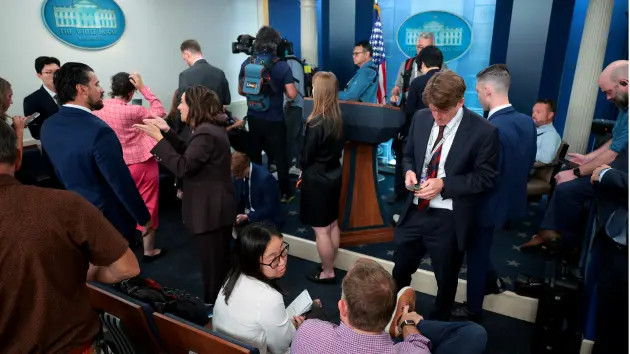
The escalation came a day after President Donald Trump said there had been “very good and productive” discussions aimed at halting the war. However, Iranian officials denied that any negotiations had taken place, casting doubt on the prospects for diplomacy.
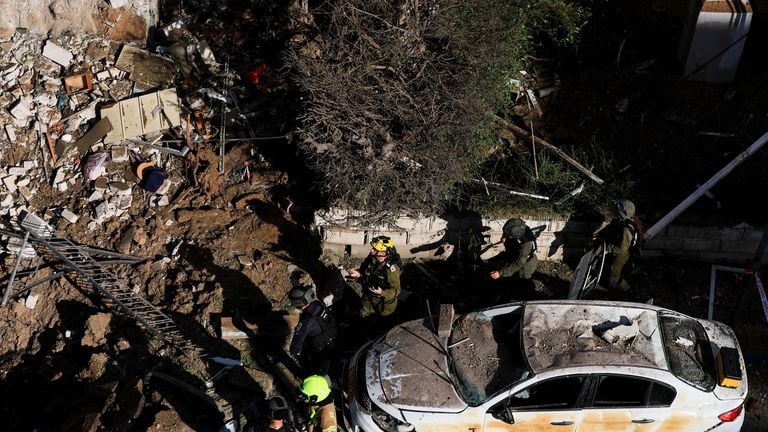
Air raid sirens sounded across Tel Aviv, where explosions damaged residential buildings. Emergency services said crews were searching for trapped civilians and assisting residents in affected areas, though the cause of the damage—whether direct hits or intercepted debris—remained unclear.
At the same time, the Israel Defense Forces said it carried out extensive strikes in Tehran, targeting command centers linked to the Islamic Revolutionary Guard Corps and other intelligence infrastructure, as well as missile storage and launch sites.
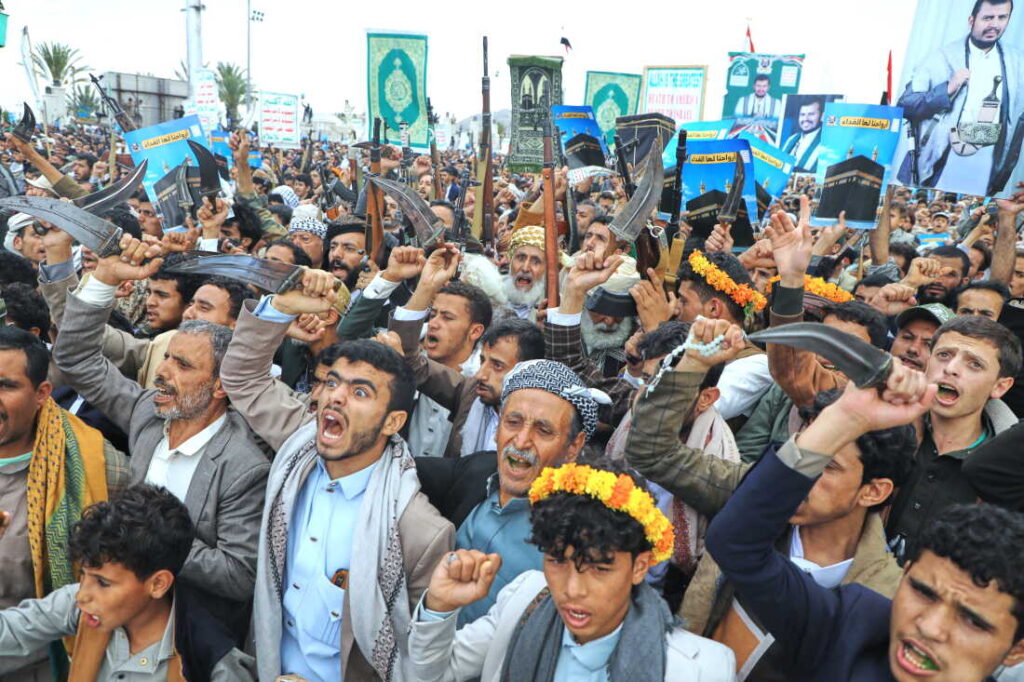
The broader conflict has expanded across the region, with Iran targeting countries hosting U.S. military bases and disrupting key energy routes, including the Strait of Hormuz, a vital conduit for global oil and gas supplies.
Despite Trump’s assertion of diplomatic progress, Iranian officials—including Parliament Speaker Mohammad Bagher Ghalibaf—dismissed reports of talks with Washington, calling them “fake news.” Iranian diplomatic channels, however, suggested that indirect efforts to reduce tensions were ongoing.
U.S. officials indicated that intermediaries such as Egypt, Pakistan and Gulf states may be relaying messages between the two sides. Sources said potential direct talks could take place in Islamabad in the coming days, though no formal agreement has been confirmed.
Markets reacted sharply to the shifting signals. Oil prices, which had briefly fallen below $100 per barrel, rebounded as tensions flared again, with Brent crude climbing back above that level. Analysts warned the situation remains highly volatile.
Trump said he had delayed a planned U.S. strike on Iranian energy infrastructure for five days, tying the decision to Iran’s actions in the Strait of Hormuz. Tehran has warned it would respond to any such attack by targeting infrastructure belonging to U.S. allies across the region.
As the war enters its third week, both military escalation and diplomatic uncertainty continue to shape a conflict with growing regional and global consequences.