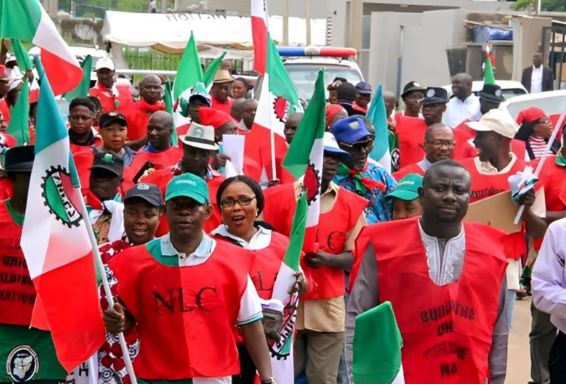
The Nigeria Labour Congress (NLC) has condemned the recent increase in petrol prices linked to the ongoing conflict in the Middle East, describing the development as a direct burden on Nigerians and calling on the Federal Government to urgently intervene.
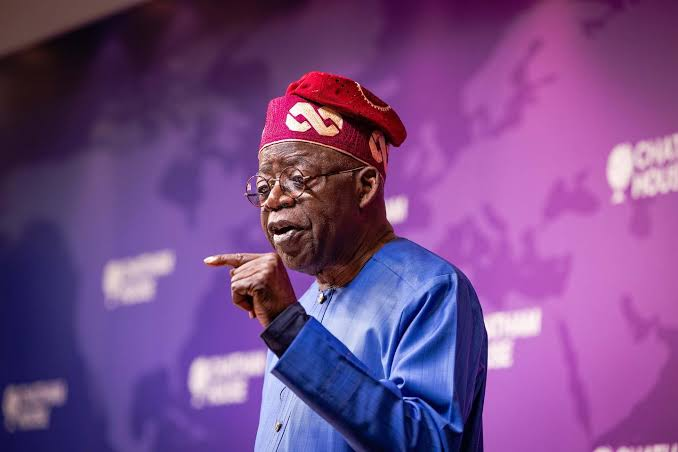
In a statement titled “Save Nigerians From This Shock: An Urgent Relief Has Become Necessary,” the NLC President, Joe Ajaero, said Nigerian workers are unfairly bearing the consequences of a global crisis they did not create.
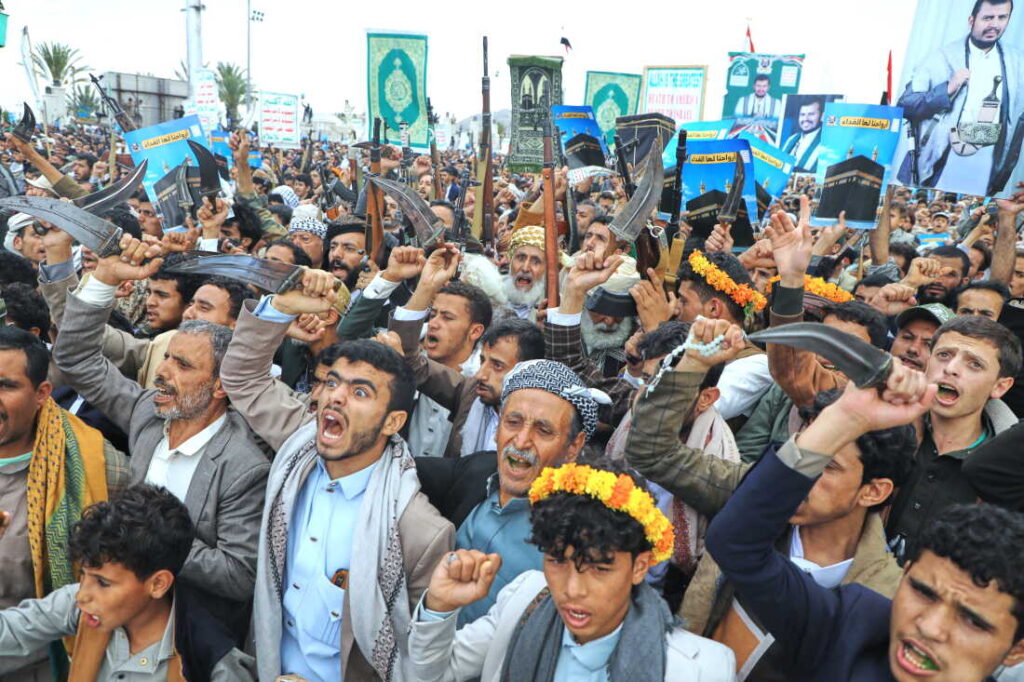
Ajaero explained that the escalating military tensions involving the United States, Israel, and Iran have rattled global oil markets, triggering sharp increases in petrol prices in Nigeria.
“Consequently, petrol prices in Nigeria have skyrocketed to between N1,170 and N1,300 per litre. This is a direct assault on the Nigerian people,” the statement read.
The labour leader noted that the situation highlights the vulnerability of Nigeria’s downstream petroleum sector, warning that reliance on market-driven pricing tied to global volatility leaves the country exposed to external shocks.
He also criticised the country’s continued dependence on private refining, cautioning against the emergence of monopoly control in the sector.
“The Dangote Refinery has adjusted its prices in lockstep with global volatility, passing the burden directly to the masses,” he said.
The union called on the government to ensure that the country’s public refineries in Port Harcourt, Warri, and Kaduna resume operations. It also urged authorities to introduce urgent measures to cushion the impact of rising living costs on Nigerians.
Among the measures proposed are a wage award for workers, the introduction of a cost-of-living allowance (COLA), expanded cash transfer programmes for vulnerable citizens, and tax relief for low-income earners.
The NLC further demanded that the government provide a clear timeline for the full restoration of public refinery operations, insisting that authorities must account for the billions of naira spent on turnaround maintenance over the years.
Global oil prices have been affected by the ongoing tensions between the United States and Iran, which disrupted crude supply after Iran’s drone attack forced Saudi Aramco to shut down an oil refinery and caused shipping disruptions along key routes such as the Strait of Hormuz and the Suez Canal.
As a result, Brent crude surged above $100 per barrel on March 9 — its highest level since July 2022 — before easing to around $90.
Amid the volatility, the Dangote Refinery increased its ex-gantry petrol price from N774 before the conflict to N1,075, pushing pump prices above N1,000 per litre in several states. A survey conducted on March 10 recorded rising petrol prices in Lagos, Ogun State, and Kaduna State, with transport fares doubling on some major routes.
Meanwhile, the Minister of Finance, Wale Edun, stated that the Federal Government would not regulate petrol prices, noting that geopolitical tensions in the Middle East continue to fuel volatility in the global oil market.