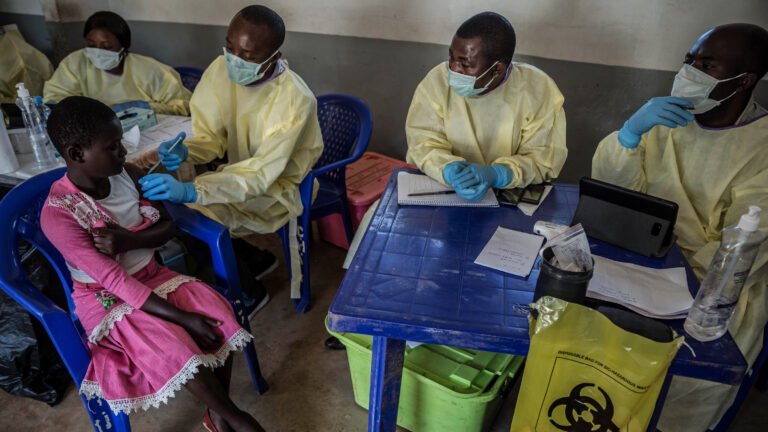
The Ebola outbreak in eastern Democratic Republic of the Congo is spreading quickly and poses an escalating threat, according to World Health Organization Director-General Tedros Adhanom Ghebreyesus.
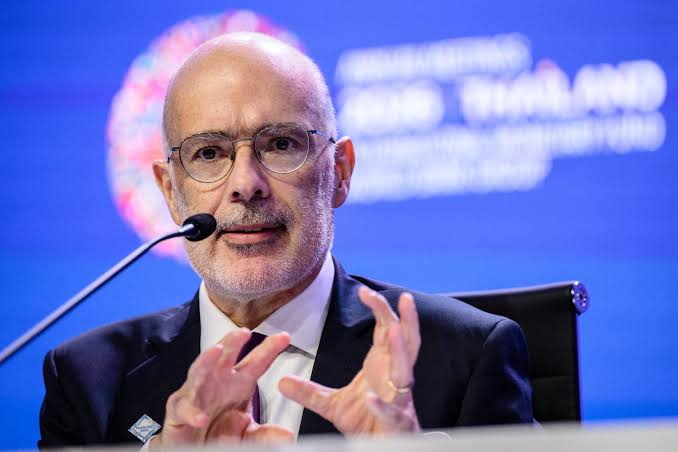
Speaking during a Friday briefing, Tedros said the WHO has raised its national-level risk assessment for the outbreak from “high” to “very high.” The regional risk level remains classified as “high,” while the global risk assessment is still considered “low.”
According to the WHO and Congo’s Ministry of Communication, more than 900 suspected Ebola cases and 115 deaths have been reported in the country. Tedros said the WHO had confirmed 101 cases as of Sunday.
The WHO chief described the situation in neighboring Uganda as “stable,” with five confirmed cases and one death reported there. Officials said several infections involved people who had traveled from Congo.
The outbreak is currently active in three Congolese provinces — Ituri Province, North Kivu and South Kivu.
Tedros said the epicenter remains in eastern Congo’s conflict-ridden regions of North Kivu and Ituri, areas plagued by armed violence and mass displacement.
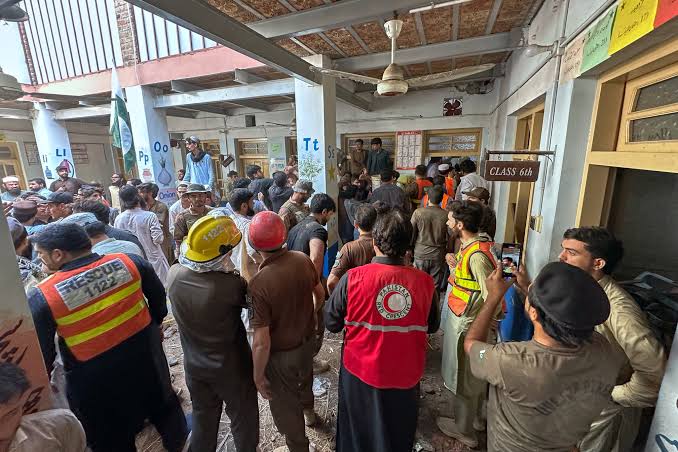
He also revealed that a “security incident” occurred Thursday in Ituri, where medical tents and supplies used in the Ebola response were set on fire.
Tedros stressed that building trust with local communities is essential to containing the outbreak.
WHO representative in Congo Anne Ancia said the attack significantly disrupted emergency response operations in the hotspot region.
Speaking by video from the field, Ancia said contact tracing efforts remain extremely limited in Ituri, particularly in the city of Bunia, though officials have seen somewhat stronger tracing operations in North Kivu.
In a Sunday post on X, Tedros noted that nearly five million people are living amid ongoing insecurity in Ituri.
“The violence is forcing people to flee, including health and humanitarian workers,” he wrote. “This is severely impeding efforts to scale up Ebola contact tracing and identify infections early enough to provide supportive care.”
He added that persistent violence and fear are fueling distrust among local communities, further complicating efforts to contain the disease.