The Federal Government has approved a six-year ban on the establishment of new universities, polytechnics and colleges of education nationwide in a move aimed at strengthening quality and sustainability in the education sector.
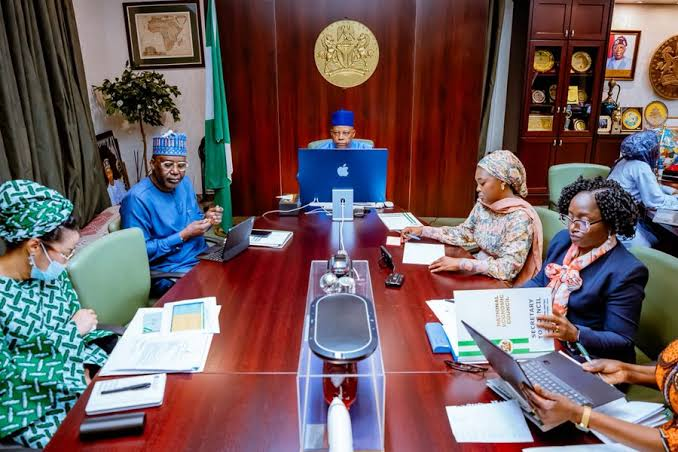
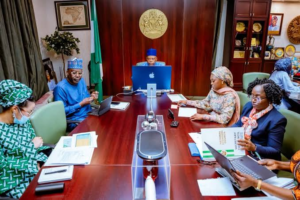
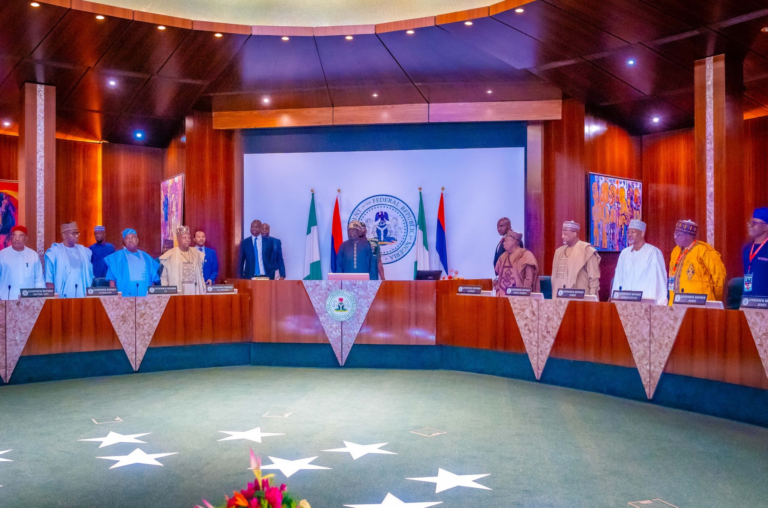
The decision was taken during a meeting of the Federal Executive Council presided over by President Bola Ahmed Tinubu on Wednesday.
Briefing State House correspondents after the meeting, Minister of Education, Tunji Alausa, said the temporary freeze is intended to consolidate existing institutions and ensure they remain financially and academically viable.
“Today, access is not easy in the country. We have lots of tertiary institutions, both public and private. We need to help these private institutions be sustainable financially,” Alausa said.
The minister cited data from the Joint Admissions and Matriculation Board (JAMB), revealing that more than 2.3 million candidates applied for admission last year, while fewer than 228,000 secured placement in public universities.
Beyond the moratorium on new tertiary institutions, the council also approved the restoration of the National Commission for Mass Literacy, Adult and Non-formal Education (NMEC) to its full status as an independent commission.
According to Alausa, President Tinubu granted the commission full autonomy after its chairman presented an ambitious programme aimed at tackling widespread illiteracy and promoting digital literacy among adults.
“Today, we have about 56 million Nigerians that are illiterate. We can’t continue to have a high number of citizens that are illiterate,” Alausa said.
He explained that the commission plans to educate more than 50 million young adults within the next two to three years, while expanding outreach in rural communities through radio, television, public advocacy and community learning centres.
The council also approved amendments to the National Postgraduate Medical College of Nigeria Act to recognise medical fellowships as equivalent to a PhD for academic advancement.
In addition, comprehensive insurance coverage was approved for students in the country’s 180 federal unity schools.
The National Commission for Mass Literacy, Adult and Non-formal Education was originally established under Decree No. 17 of 1990 by the military administration and formally began operations on June 25, 1990. The commission was created to coordinate national strategies aimed at reducing illiteracy through collaboration with federal, state and local governments, as well as non-governmental organisations.
Meanwhile, the National Universities Commission approved 33 new universities in 2025, bringing the total number of universities in Nigeria to 309.