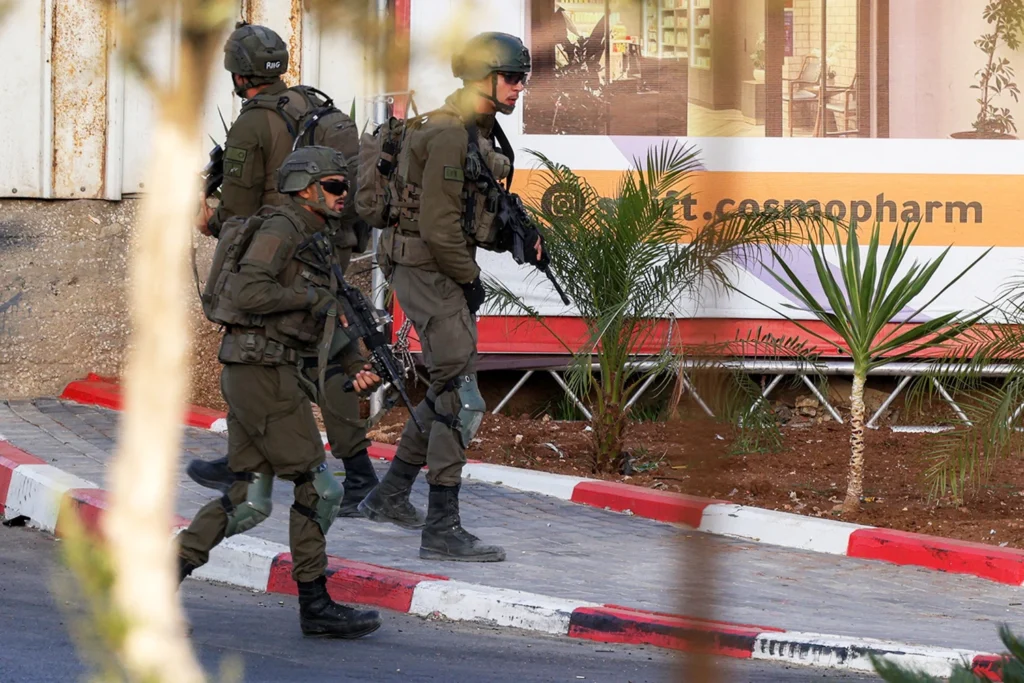
As missiles, drones and warplanes crisscross the Middle East and attacks target embassies, hotels and residential buildings, U.S. allies in the region are publicly backing Washington — at least for now.
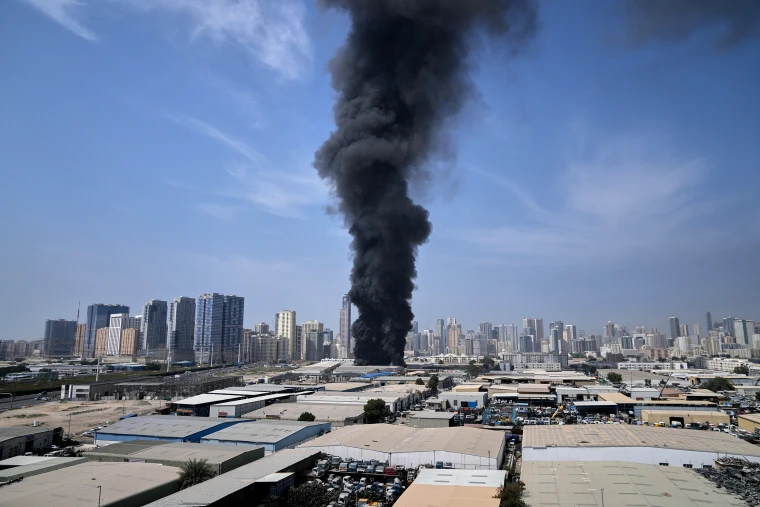
Since the United States and Israel launched strikes that killed Iran’s Supreme Leader Ali Khamenei and several senior figures, Iran has responded with retaliatory attacks across the region. Those strikes have hit Gulf states hosting U.S. military facilities and infrastructure vital to global oil and natural gas supplies.
Some countries have already been forced to respond militarily. Qatar said Tuesday that its forces shot down Iranian aircraft that entered its airspace after warnings were ignored as the jets approached the capital, Doha. Qatar hosts Al Udeid Air Base, the largest U.S. military installation in the Middle East.
Several senior Arab diplomats say Iran’s decision to strike across the region has backfired strategically, alienating neighboring states and deepening Tehran’s isolation. However, as the conflict escalates and President Donald Trump signals no immediate end to the campaign, concerns are mounting about how long regional partners can sustain their support.
“We’re put in this situation; we have to deal with it,” one veteran Arab diplomat said. “The Gulf countries have no choice — it was a huge mistake for Iran to strike Arab neighbors. People are furious. They should not have attacked our bases.”
Other U.S. partners in the region — including Bahrain, Jordan, Kuwait, Saudi Arabia and the United Arab Emirates — also reported attacks. Together with Qatar, they issued a joint statement condemning what they called Iran’s “indiscriminate and reckless missile and drone attacks against sovereign territories across the region.”
Qatar renewed calls for diplomacy, urging “an immediate cessation of all escalatory actions” and a return to negotiations to prevent a broader regional war.
Meanwhile in Riyadh, the Gulf Cooperation Council has established a joint command center and begun coordinating closely with United States Central Command to monitor and respond to incoming attacks.
Despite the coordination, diplomats say anger across the Gulf remains intense following the strikes, highlighting the fragile balance regional allies now face as the conflict continues to widen.