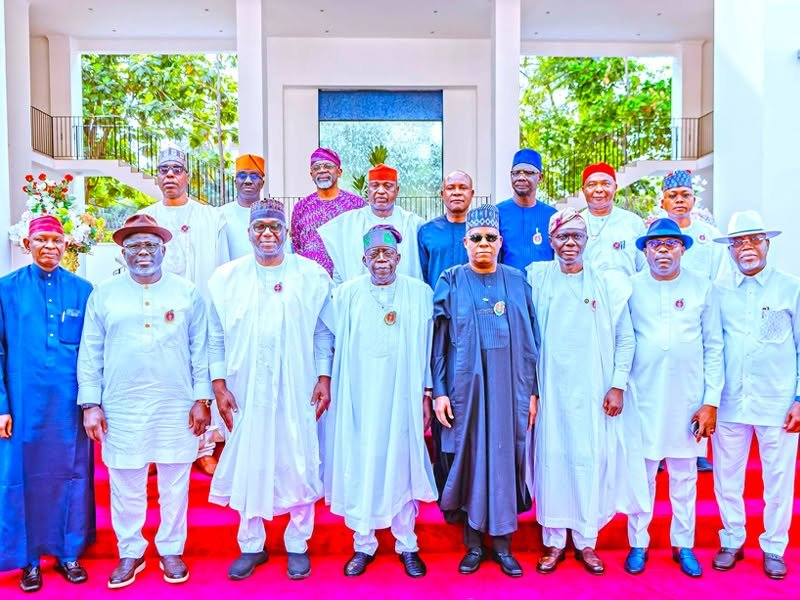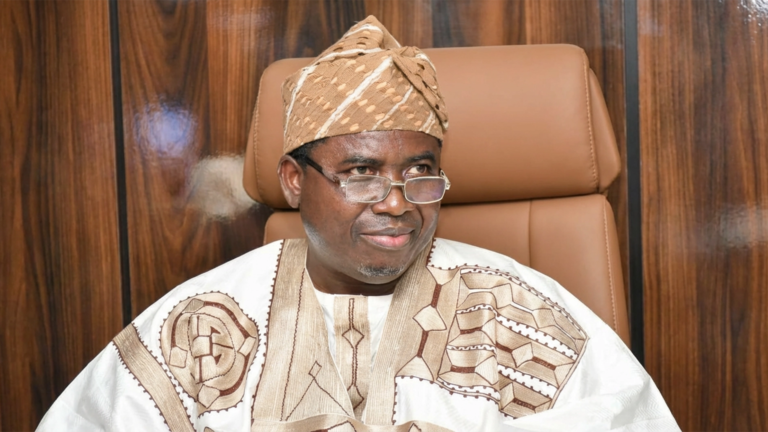
Chairman of the Independent National Electoral Commission (INEC), Mr. Joash Amupitan (SAN), has outlined an ambitious reform agenda aimed at delivering world-class elections, positioning the 2027 general election as a potential turning point in Nigeria’s democratic history.
Amupitan, who assumed office on October 23, 2025, succeeding Professor Mahmood Yakubu, spoke in Lagos during an induction, orientation, and retreat for new and serving National Commissioners from across the country.
He described the period as a “golden opportunity to rewrite the history of elections in Nigeria” and stressed his vision to make INEC the leading election management body in Africa. “Our goal is clear: the 2027 General Election must be free and fair and be a watershed moment in Nigeria’s election history. But we must aim even higher. I want us to build an institution that is recognised globally,” he said.
Amupitan reminded participants that the eyes of over 200 million Nigerians, as well as the rest of Africa, were on the commission, warning that the task ahead would be demanding and closely scrutinised.
He said INEC’s mandate rests on five non-negotiable pillars: elections free from interference, fair to all parties, globally credible, transparent from polling units to result collation, and inclusive of all Nigerians regardless of physical ability or location.
Highlighting the importance of youth participation, he noted that millions of young, tech-savvy Nigerians will vote for the first time in 2027, expecting real-time transparency and accountability. “It is our duty to prove to these digital natives that INEC can be trusted. By ensuring our systems are inclusive and our technology is beyond reproach, we are not just conducting an election; we are securing the lifelong loyalty of Nigeria’s future to the ballot,” he said.
Amupitan emphasised strict adherence to the law, noting that the 2022 Electoral Act and its amendments would be applied with “surgical precision,” and vowed zero tolerance for misconduct.
While pledging to support staff welfare, he stressed that excellence would be required, alongside provision of the tools and environment necessary for success. He also commended INEC officials for the peaceful and professional conduct of the November 8, 2025 Anambra State off-cycle governorship election, describing it as a solid foundation for his tenure.
The chairman identified upcoming FCT Area Council elections in February 2026, as well as Ekiti and Osun off-cycle governorship elections later in the year, as critical tests for INEC’s preparedness. “These elections will allow us to refine our processes—from voter register management to the integrity of the Bimodal Voter Accreditation System (BVAS)—before the grand national exercise of 2027,” he said.
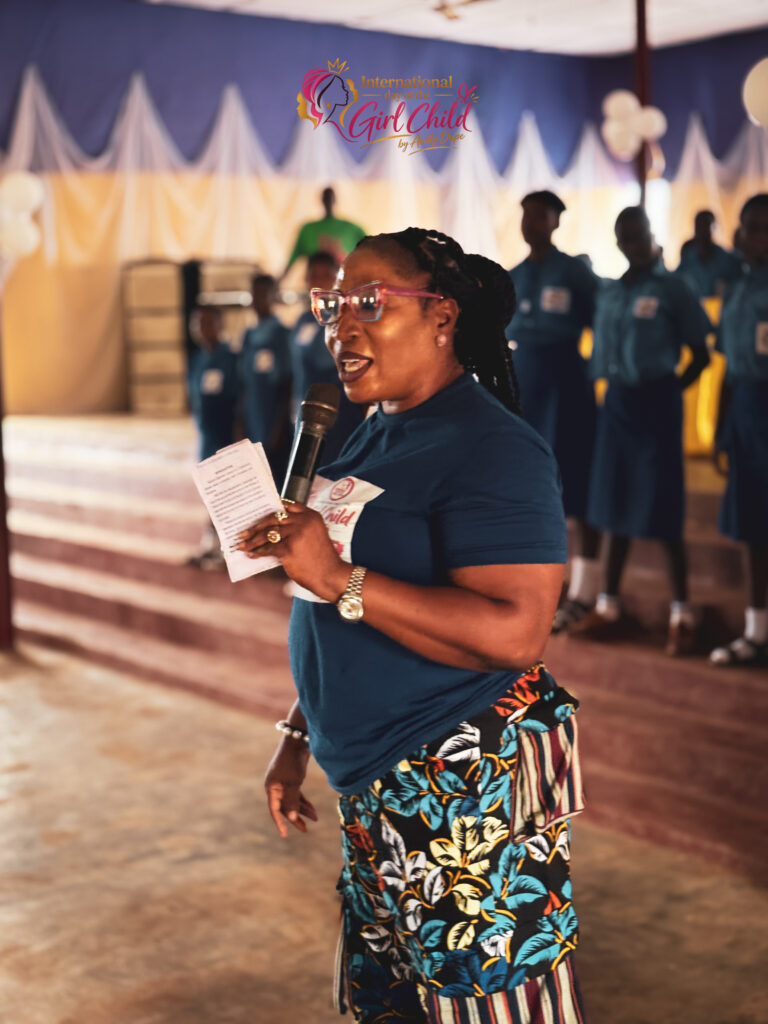
Earlier, the Lagos State Resident Electoral Commissioner, Prof. Ayobami Salami, described the retreat as a major milestone in INEC’s institutional development, aimed at strengthening leadership, operational preparedness, and commitment to the commission’s constitutional mandate.
“Public expectations of the electoral process are higher than ever, and we must not drop the ball,” Salami said, adding that early planning, strategic coordination, and institutional cohesion will be crucial as INEC prepares for the 2027 general election.