The Federal Executive Council (FEC) has approved contracts totaling ₦68.7 billion for two major power projects aimed at improving electricity access for universities, teaching hospitals, and rural enterprises across Nigeria.
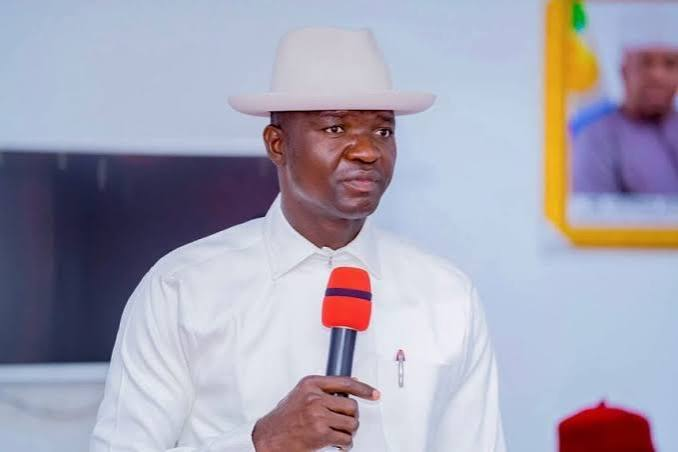
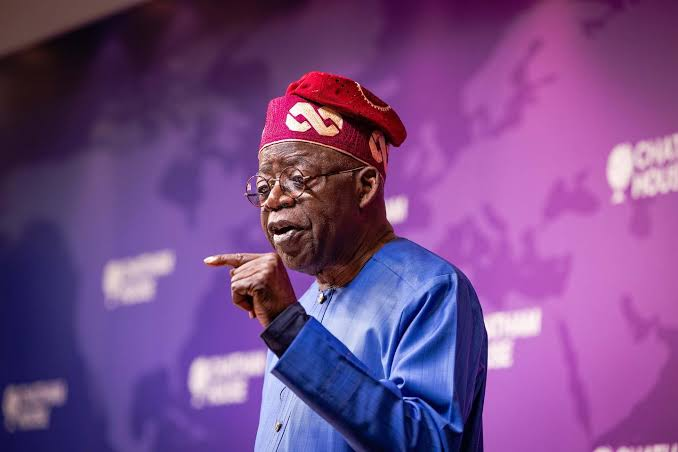
Minister of Power, Adebayo Adelabu, disclosed this while briefing journalists after Thursday’s FEC meeting chaired by President Bola Tinubu at the Presidential Villa, Abuja.
Adelabu said the projects align with the administration’s commitment to transforming the power sector and enhancing electricity supply to critical national institutions.
“This administration is bent on ensuring transformation in our power sector and improving supply to two key sectors for national existence,” he stated.
First Project: Energising Education Programme
The first contract involves engineering, procurement, and construction under the Energising Education Programme through the Rural Electrification Agency’s (REA) special intervention fund.
The project is designed to deliver reliable and quality electricity to federal universities and their teaching hospitals, many of which face energy-related crises, including blackouts and strike actions due to unaffordable power costs.
“The programme will complement World Bank financing to accelerate deployment across more institutions,” Adelabu noted.
He cited existing success stories such as:
- University of Abuja (solar-powered)
- University of Niger and its teaching hospital (12MW system)
- Usmanu Danfodiyo University, Sokoto (8MW system)
- Nigerian Defence Academy (2.6MW solar system)
- Federal University of Agriculture, Makurdi
The new approval will cover eight additional universities and their teaching hospitals, including:
- University of Lagos
- Ahmadu Bello University, Zaria
- Obafemi Awolowo University, Ile-Ife
- University of Nigeria, Nsukka
- University of Ibadan (including UCH)
- University of Calabar
- Federal University Wukari
The minister said these projects are expected to be completed within seven to nine months.
“Our universities will never be the same again,” Adelabu added.
Second Project: Rural Solar for Agriculture
The second contract focuses on deploying renewable energy infrastructure to REA’s Agricultural Centres of Excellence.
It aims to extend electricity access to underserved communities and power rural businesses, particularly those involved in agricultural processing.
“This is not just about lighting homes it’s about productive use. The solar-powered equipment will help small and medium-scale enterprises process agricultural products,” Adelabu explained.
He said the initiative will boost rural economies and improve living standards, while ensuring the cluster processing of farm produce and supporting micro and small enterprises.
Implementation Timeline and Budget
The two projects will be implemented over three months and include a 7.5% VAT within the total budget of ₦68.7 billion.
Adelabu concluded that the initiatives represent a major step toward energy equity and national development, particularly in education, healthcare, and rural productivity.