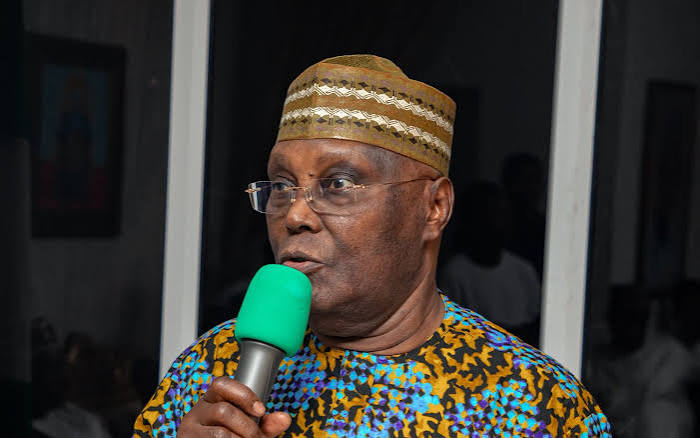
Chairman of the Presidential Committee on Fiscal Policy and Tax Reforms, Taiwo Oyedele, has clarified that the controversial 5 per cent fuel surcharge was not introduced by President Bola Tinubu’s administration.
Speaking on a Channels Television programme on Tuesday, Oyedele explained that the levy was first enacted in 2007 under the late President Umaru Musa Yar’Adua but was never implemented because the government was paying fuel subsidies.
“One very important message for people to know is that this surcharge was not introduced by this government. It was introduced in 2007,” he said. “And then it was not implemented because the government was subsidising fuel.”
The surcharge, which imposes a 5 per cent payment on every litre of fuel purchased, has stirred widespread criticism amid speculation that it could take effect in January. Oyedele stressed that it was not part of the new tax bills signed into law earlier this year.
“While we were doing this tax reform, it was not even in the original proposal, so it was not like the President proposed it to the National Assembly,” he said. “But in the process of working on the bills, these issues came up, and the decision was made that we should not have different agencies collecting taxes.”
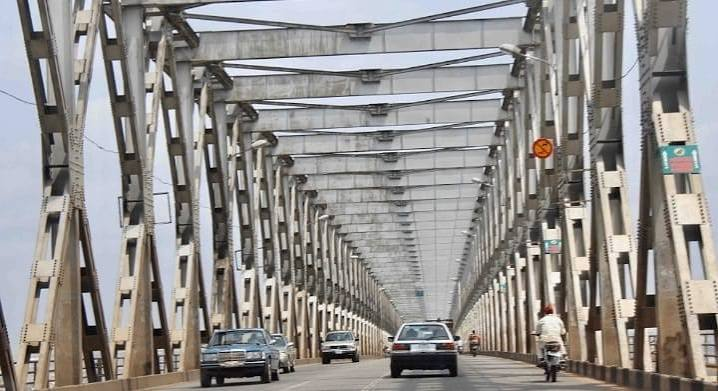
Under the law, the Federal Road Maintenance Agency (FERMA) is empowered to administer the surcharge, with 40 per cent of the revenue allocated to the Federal Government for road projects and 60 per cent to the states. However, Oyedele noted that there is no official timeline yet for its implementation.
Labour unions and civil society groups have condemned the levy, warning it would worsen hardship for Nigerians already struggling with high fuel costs. The Trade Union Congress has even threatened strike action if the policy is enforced.
Oyedele, however, maintained that when implemented, the surcharge would ultimately benefit Nigerians by boosting road infrastructure nationwide. He pointed out that more than 150 countries already apply similar fuel-related charges ranging between 20 and 80 per cent to sustain road investment, improve safety, and reduce travel time.
Successive administrations after Yar’Adua, including those of Goodluck Jonathan and Muhammadu Buhari, avoided implementing the policy, fearing backlash from citizens sensitive to fuel price increases.