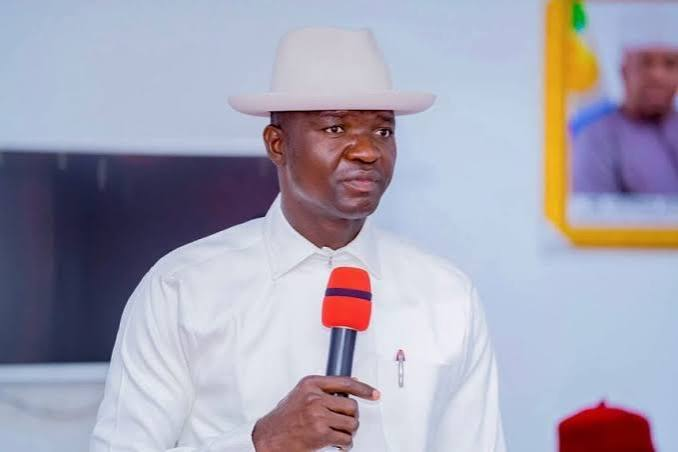
The presidential candidate of the African Democratic Congress, Atiku Abubakar, has responded to remarks by the Minister of the Federal Capital Territory, Nyesom Wike, insisting that Rivers people are intelligent enough to decide who to support in the 2027 presidential election.
Atiku said no politician, regardless of influence or position, can determine how an entire state will vote.
Wike, a former governor of Rivers State, had earlier claimed that Atiku would not secure up to 10 percent of votes in the state during the 2027 election.
The minister reportedly made the remark during a luncheon organised for candidates of the Rainbow Coalition in Rivers State.
Reacting through his Senior Special Assistant on Public Communication, Phrank Shaibu, Atiku said Wike’s comments reflected growing anxiety within President Bola Ahmed Tinubu’s political camp over the emergence of a strong opposition coalition under the ADC.
Shaibu stated that Nigerians are more concerned about hardship, insecurity, and the rising cost of living than political predictions by government officials.
He described Wike’s statement as both “amusing and troubling,” accusing the minister of acting as though Rivers voters belong to him.
“The people of Rivers State are not political slaves. They are independent-minded Nigerians who will make their decisions based on the challenges facing the country and the future they want for their children. No one can dictate how they will vote,” Shaibu said.
He added that rather than making electoral forecasts, Wike should focus on explaining why many Nigerians are struggling economically and why insecurity remains widespread.
According to Shaibu, the 2027 election will serve as a referendum on the policies and performance of the current administration and its allies.
He said Atiku remains focused on building a broad national coalition aimed at improving the economy, strengthening security, and promoting national unity.
Shaibu also expressed confidence that Nigerians, including Rivers residents, would ultimately vote based on competence, performance, and their aspirations for a better future.
He concluded that political intimidation and grandstanding would not influence the democratic will of the people.