Peter Obi moved closer to securing the 2027 presidential ticket of the Nigerian Democratic Congress (NDC) after the party zoned its presidential ticket to the South for a single four-year term.
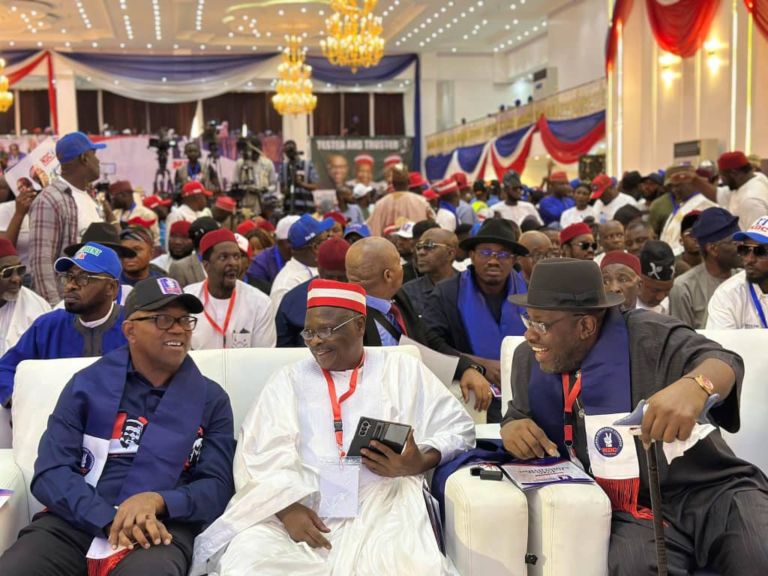
The decision was reached unanimously at the party’s national convention held in Abuja on Saturday.
The development came barely a week after Obi and former Kano State governor, Rabiu Musa Kwankwaso, left the African Democratic Congress (ADC) after reportedly failing to secure a similar zoning arrangement.
Obi is currently the only presidential aspirant in the NDC and is expected to run with Kwankwaso as his running mate.
The party also resolved that the presidency would return to the North in 2031, describing the arrangement as a deliberate effort to promote fairness, equity, and national cohesion.
The motion for the zoning formula was moved by Afam Victor Ogene, a member of the House of Representatives representing Ogbaru Federal Constituency in Anambra State.
“In recognition of our country’s diversity and the need for balance, the party has resolved that the presidency shall rotate to the South in 2027 for a single term and subsequently return to the North in 2031,” Ogene declared.
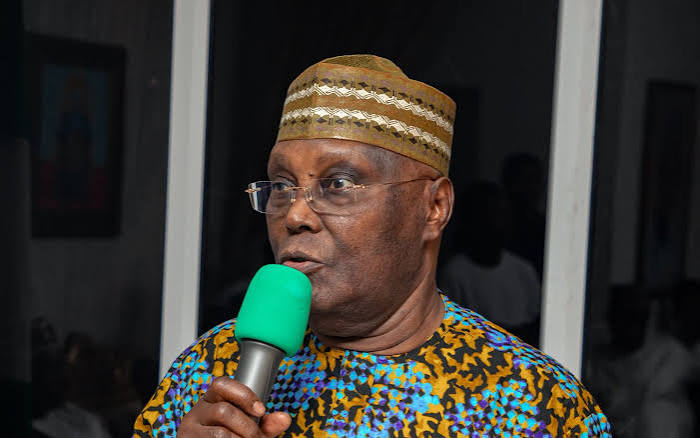
Speaking after formally identifying with the coalition, Obi said the movement was driven by a desire to rescue Nigeria from poverty, insecurity, and poor leadership.
“We are not changing political platforms for transactional reasons,” Obi said.
“We are making a principled decision to find a platform that gives us the opportunity to build a new Nigeria that is possible.”
The former Labour Party presidential candidate also warned against what he described as growing threats to democracy and opposition politics in the country.
“Today in Nigeria, beneficiaries of democracy are becoming agents of the destruction of democracy,” he said, insisting that Nigeria must not become a one-party state.
Obi further lamented worsening economic hardship and insecurity, arguing that poor governance had deepened poverty and unemployment across the country.
“Nigeria is not a poor country; it is a country rooted in poverty by poor leadership and governance,” he stated.
Kwankwaso welcomed the zoning arrangement, describing it as “a true opportunity for national healing and genuine nation-building.”
Also speaking, former Bayelsa State governor and NDC National Leader, Seriake Dickson, accused the Federal Government of intimidating opposition parties and shrinking the democratic space.
Dickson, however, dismissed reports that the party was facing litigation over its registration by the Independent National Electoral Commission (INEC).
NDC National Chairman, Moses Cleopas, described the convention as a defining moment for the party, saying the NDC was positioning itself as a credible alternative ahead of the 2027 elections.
“We are not assembling a crowd for elections; we are building a movement for governance,” Cleopas said.
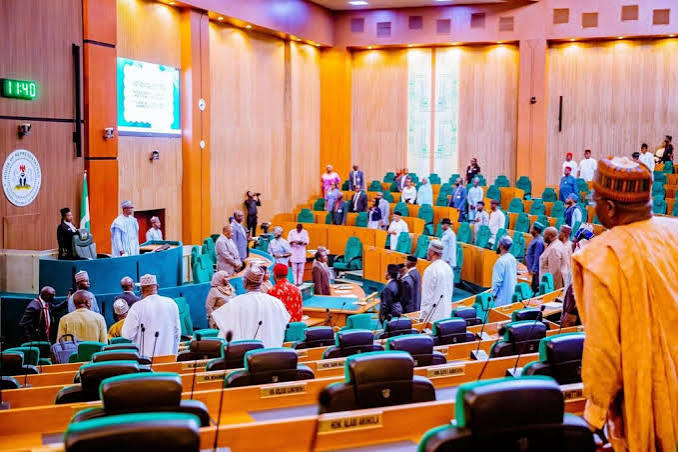
Delegates at the convention reaffirmed the party’s commitment to democratic competition, national unity, and issue-based governance as coalition talks ahead of the 2027 general elections continue to gain momentum.