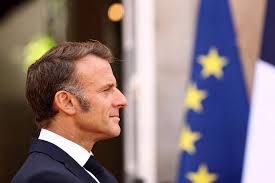
French President Emmanuel Macron is hosting Ukrainian President Volodymyr Zelenskyy and senior representatives from dozens of allied nations as international efforts intensify to define security guarantees for Ukraine in the event of a ceasefire with Russia.
The meeting in Paris brings together leaders and top officials from more than 30 countries, known collectively as the “Coalition of the Willing.” Participants include U.S. mediators Steve Witkoff and Jared Kushner, President Donald Trump’s son-in-law.
Zelenskyy met recently with Trump and said a proposed framework to end the war with Russia is roughly 90% agreed. However, the plan has not yet been formally presented to Moscow, and Russia’s response to earlier diplomatic signals has been largely negative.
The remaining unresolved portion of the proposal centers on territorial concessions Kyiv is being asked to consider. Russia currently controls about 75% of Ukraine’s Donetsk region and nearly all of neighboring Luhansk. Together, the two regions form the industrial Donbas area.
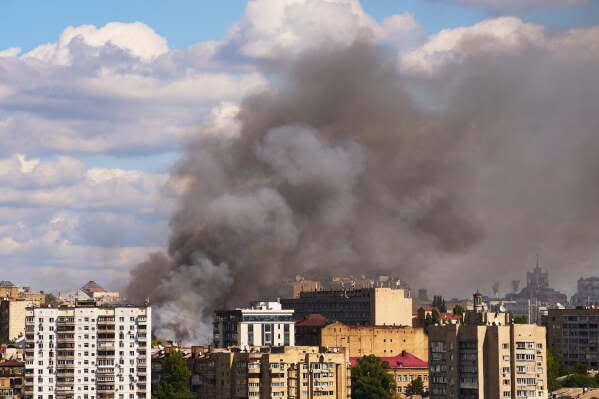
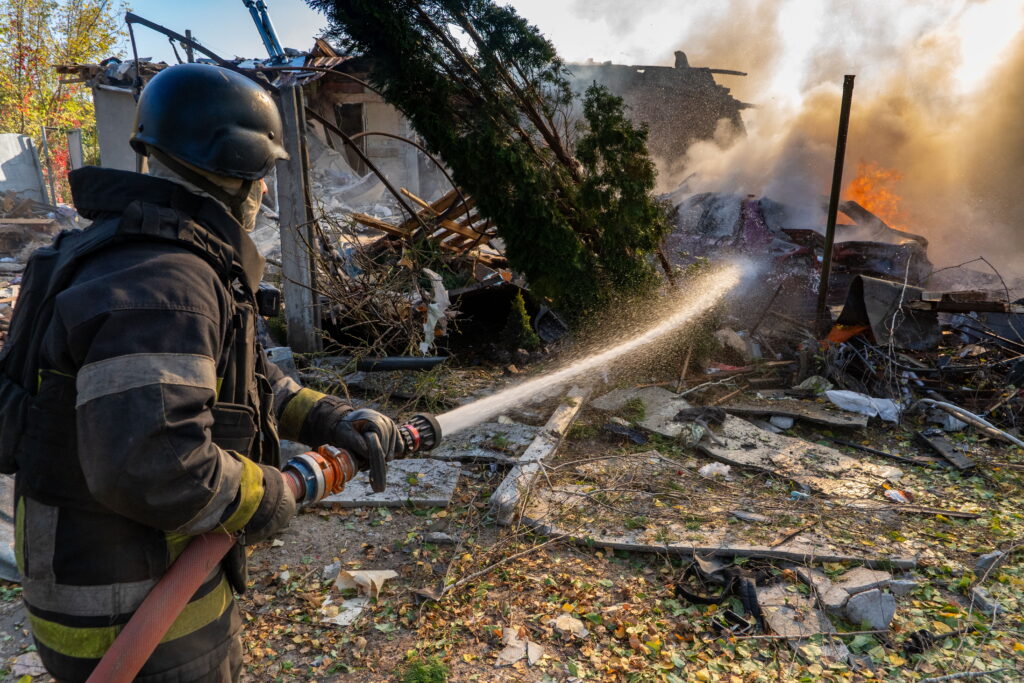
Russia launched its full-scale invasion of Ukraine in February 2022 and has made incremental territorial gains in recent months. Analysts say Moscow is therefore reluctant to compromise on its objective of securing full control of Donbas. Russian officials have also consistently rejected proposals for a temporary ceasefire and have intensified attacks on Ukraine’s infrastructure, particularly targeting energy facilities during the winter months.
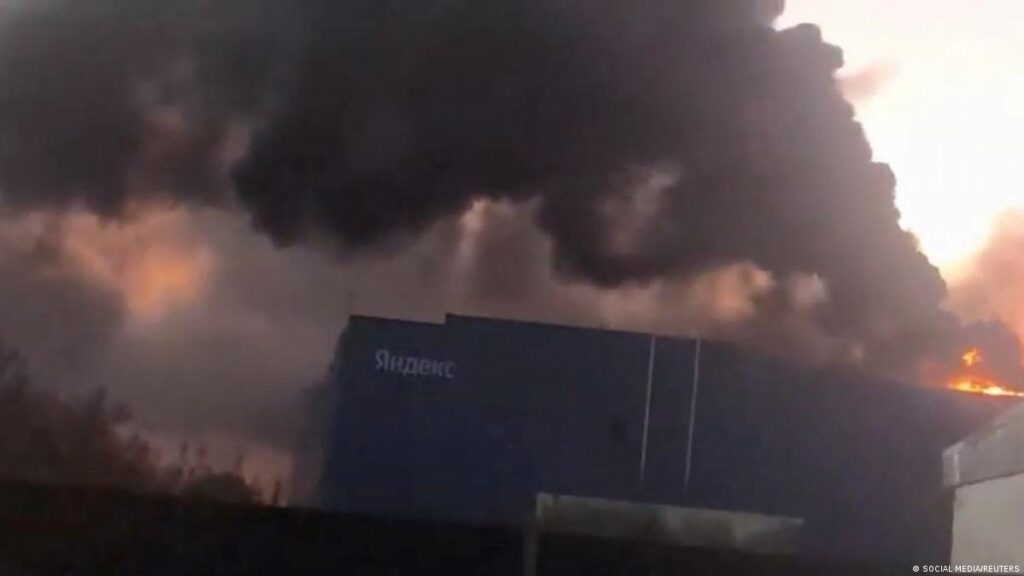
Ukraine has responded with its own long-range strikes, including recent drone attacks on Russian energy infrastructure, such as an oil depot in Russia’s Lipetsk region.
Among those attending the Paris talks are British Prime Minister Keir Starmer and NATO Secretary General Mark Rutte. Discussions are expected to focus on the structure of a potential multinational force to reassure Ukraine after a peace agreement, the scope of security guarantees in the event of renewed Russian aggression, and continued support for Ukraine’s military and economic recovery.
A key unresolved issue is the so-called “backstop” sought by European allies — a firm commitment from the United States to respond if Russia violates the terms of a peace deal. After talks between Zelenskyy and Trump in Florida last month, Zelenskyy said Washington had offered security guarantees lasting up to 15 years, though the timing and conditions for those guarantees remain unclear.
The Paris discussions are unfolding against the backdrop of broader geopolitical tensions sparked by recent U.S. actions elsewhere. The talks have been overshadowed by the aftermath of a U.S. military operation in Venezuela that resulted in the seizure of President Nicolás Maduro and his transfer to New York to face drug and weapons charges. Following that operation, Trump said the United States would temporarily “run” Venezuela.
Additional strain has been added by Trump’s renewed insistence that the United States seeks to annex Greenland, a semi-autonomous territory belonging to Denmark, a NATO ally. Danish Prime Minister Mette Frederiksen warned that any such move would effectively end the transatlantic alliance.
Together, these developments underscore the fragile geopolitical environment surrounding the Paris talks, as leaders attempt to secure a durable peace in Ukraine amid widening global uncertainty.