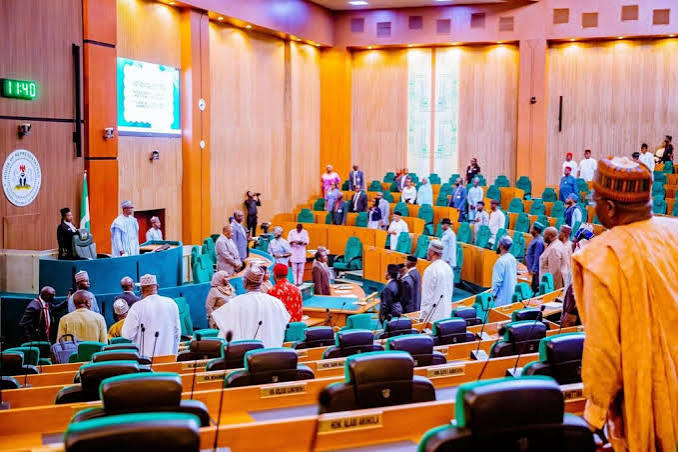
The Federal Executive Council (FEC) has approved three public-private partnership (PPP) projects aimed at strengthening Nigeria’s transport management system and improving electricity supply in key economic hubs across the country.
The approved initiatives include the development of a smart national transport data bank under the Nigerian Institute of Transport Technology (NITT), alongside independent power projects (IPPs) at the Onne Port in Rivers State and the Apapa Port in Lagos State.
According to the Infrastructure Concession Regulatory Commission (ICRC), the projects underwent full regulatory scrutiny, including business case reviews, due diligence, negotiations, and certification before being presented for FEC approval.
In a statement, the Director-General of the ICRC, Jobson Ewalefoh, said the approvals reflect a growing shift toward infrastructure development driven by private sector investment under structured PPP arrangements.
“These projects represent a deliberate shift towards well-structured PPPs that unlock private capital while delivering measurable economic impact,” Ewalefoh said.
On the transport data bank project, Ewalefoh explained that the system would integrate real-time information across road, rail, air, and maritime transport networks, supported by technologies such as vehicle tagging and automated number plate recognition.
He said the initiative is designed to address Nigeria’s long-standing transport planning challenges by improving data availability and enabling evidence-based policy decisions.
“Nigeria’s biggest transport challenge is not just infrastructure, it is the lack of reliable, usable data,” he said.
He added that the platform would enhance enforcement mechanisms, reduce operational inefficiencies, and create new revenue opportunities through digital compliance systems.
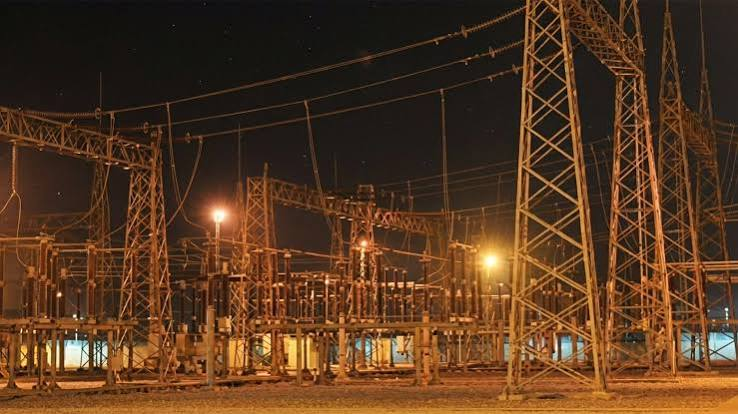
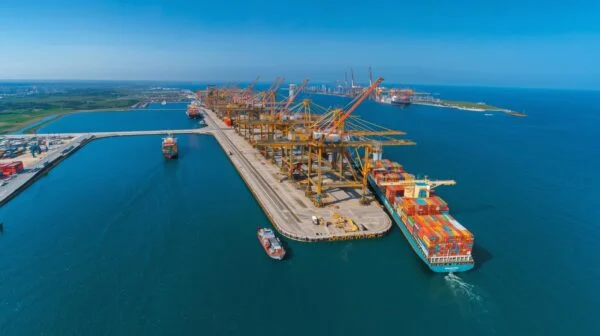
On the energy projects, Ewalefoh said the approved IPPs are expected to improve power reliability at two of the country’s busiest ports.
He disclosed that the Onne Port project will deliver a 50MW power plant serving the port and Oil and Gas Free Zone, while the Apapa Port project will generate about 36MW through a hybrid energy system.
“These are not just power projects; they are productivity enablers,” he said.
The ICRC noted that the initiatives form part of broader efforts to bridge Nigeria’s infrastructure gap, improve trade efficiency, and strengthen national competitiveness through sustainable PPP frameworks.