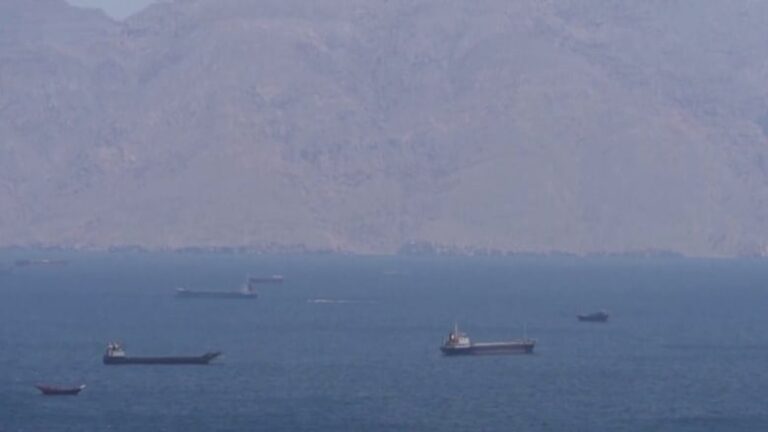
Iran said it has reimposed “strict control” over the Strait of Hormuz, reversing its earlier declaration that the vital shipping route was fully open. Officials cited the ongoing U.S. naval blockade as the reason for tightening restrictions on vessel movement through the key waterway.
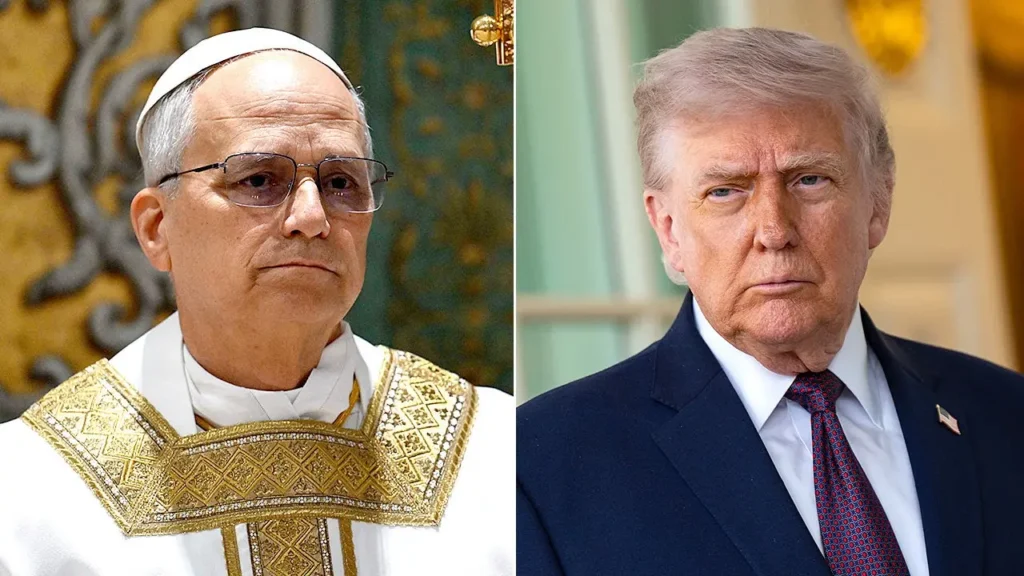
The administration of U.S. President Donald Trump confirmed that its blockade of Iranian ports remains in effect, reporting that more than 20 ships have been turned back since Monday as Washington seeks to increase pressure on Tehran to reach a broader agreement.
Maritime authorities have also reported heightened security risks in the strait, including gunfire incidents and a projectile strike involving vessels linked to India, underscoring the volatility of the region.
Diplomatic efforts continue, though progress remains uncertain. Iranian officials say new U.S. proposals are under review, but no date has been set for the next round of negotiations as both sides continue to exchange public warnings.
Meanwhile, a fragile ceasefire between Israel and Lebanon appears to be holding, despite ongoing Israeli strikes targeting what it describes as imminent threats from Hezbollah.
The conflict has taken a heavy human toll. Iranian officials report more than 3,300 deaths since U.S.-Israeli strikes began on February 28. In Lebanon, over 2,100 people have been killed, along with 32 in Gulf states and 23 in Israel. The United States has reported 13 service members killed in action, with two additional deaths from noncombat causes.