Peruvian President Jose Jeri has declared a 30-day state of emergency in Lima and the neighbouring province of Callao, authorising the armed forces to assist police in restoring order following a week of escalating violence, protests, and public unrest.
In a televised address on Tuesday night, Jeri said the measure, approved by the Council of Ministers, would take effect just after midnight and was aimed at curbing the rise in violent crime that has gripped the capital region.
“We are moving from defence to offence in the fight against crime — a fight that will allow us to regain peace, tranquillity, and the trust of millions of Peruvians,” Jeri said.
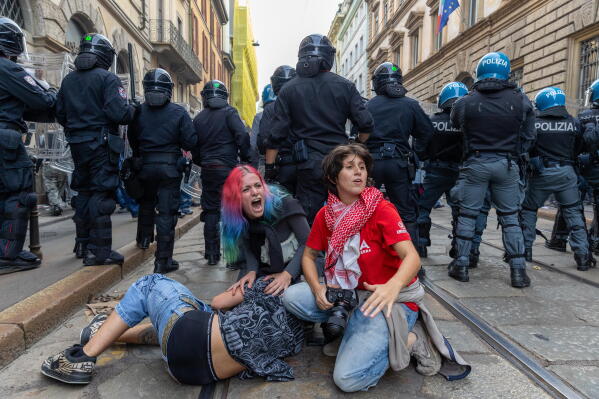
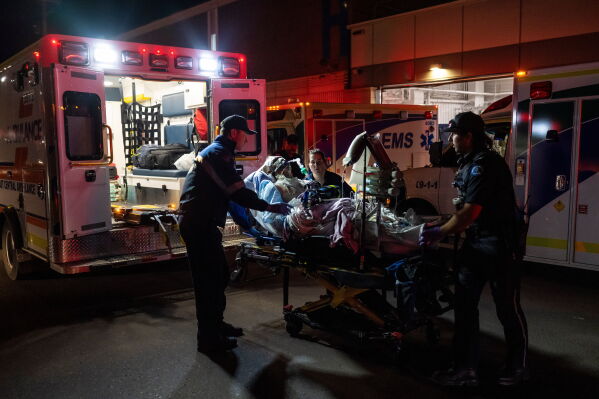
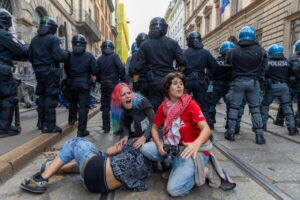
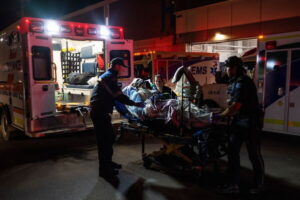
The announcement comes after a week of protests that left one person dead and more than 100 injured, as demonstrators clashed with security forces demanding stronger action against criminal gangs and economic hardship.
President Jeri, who took office earlier this month following the ouster of former President Dina Boluarte, has made public safety his top priority. His new administration has faced mounting pressure from youth-led movements and civil society groups, including members of “Generation Z,” who have been calling for urgent reforms to address the country’s deteriorating security situation.
Under the emergency decree, civil liberties such as the right to assembly and movement may be temporarily restricted, and the military will patrol streets alongside national police officers.
Government officials said the goal is to dismantle organised criminal networks, crack down on extortion and drug trafficking, and restore public confidence in law enforcement.
Interior Minister Rosa Gutierrez said the deployment would be “immediate and coordinated,” adding that “Peru cannot continue to be held hostage by fear.”
This is not the first time Peru has resorted to emergency powers to combat crime. In March 2024, then-President Boluarte implemented a similar 30-day measure, but analysts say such short-term interventions have failed to produce lasting results.
“Successive governments have relied on emergency decrees as a show of force,” said political analyst Carlos Paredes. “But without institutional reform, better policing, and judicial transparency, these measures will only offer temporary relief.”
Despite scepticism, Jeri’s government insists the latest declaration marks a new, unified strategy involving intelligence sharing between police, the military, and local authorities.
“The objective is not just to react,” Jeri said, “but to take control of our streets and show that the state is present and determined to protect its people.”
With crime rates rising, public trust faltering, and protests spreading beyond Lima, the coming weeks will test whether Peru’s new president can deliver on his promise to restore security, stability, and confidence in one of South America’s most volatile capitals.