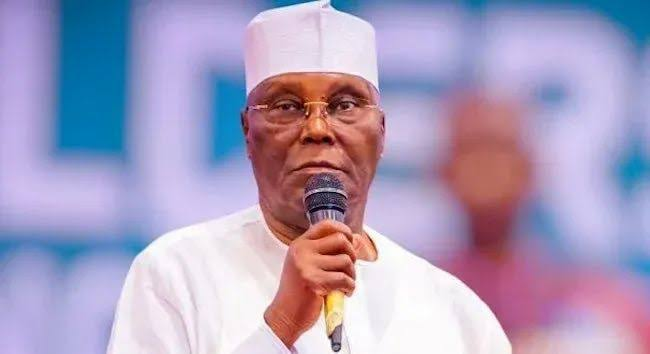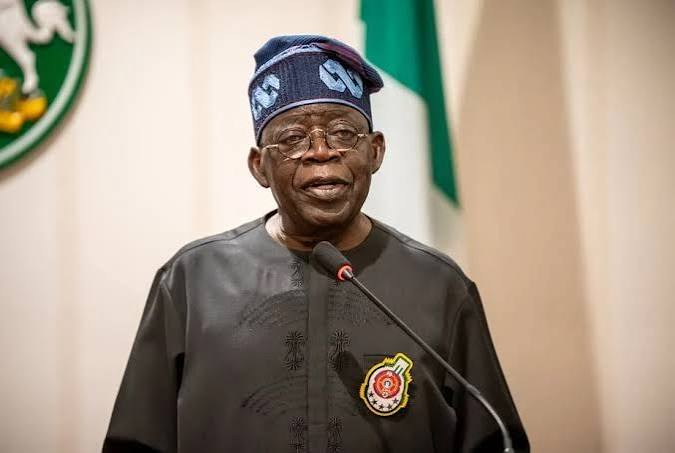
The National Chairman of the New Nigeria Peoples Party (NNPP), Ajuji Ahmed, says the party is open to political alliances ahead of the 2027 elections but stressed that its presidential ticket is not automatically reserved for Rabiu Musa Kwankwaso.
In an interview, Ahmed dismissed rumours of internal crisis, explaining that those parading themselves as a “faction” were first suspended and later expelled for anti-party activities after refusing to appear before the party’s disciplinary committee. He said their subsequent legal attempts to reclaim control of the NNPP, including a controversial order from a “little-known court,” were quashed on appeal.
Ahmed insisted that the NNPP remains united, guided strictly by its constitution, and fully recognised by the electoral commission. On the conduct of congresses, he said there was no controversy within the party, adding that the noise emanated only from expelled members posing as legitimate officials.
Responding to claims that the NNPP is synonymous with the “Kwankwasiya movement,” Ahmed stressed that the party is not owned by any individual and is open to all Nigerians. He said efforts are ongoing to expand the party’s footprint beyond Kwankwaso’s Kano stronghold, noting that a national outlook is essential for winning the presidency.
On the recent defection of some lawmakers, the chairman said such decisions were personal and did not diminish the NNPP, adding that new members often join shortly after.
Looking ahead to 2027, Ahmed said the party has not ruled out running independently, forming a coalition, or adopting a broadly acceptable candidate. What matters, he said, is adherence to party processes. He emphasised that the presidential ticket is open to all aspirants and that Kwankwaso, like every other member, must go through internal procedures without any guaranteed nomination.
Ahmed also outlined the NNPP’s policy priorities, including improving the welfare of ordinary Nigerians through universal education, affordable healthcare, and strengthened national security. He pledged that an NNPP-led administration would end medical tourism within four years by upgrading domestic health facilities.
On insecurity, particularly in the North, the party linked the crisis to unemployment, poverty, and weak government response. Ahmed criticised the deployment of Nigerian troops abroad while many local communities remain unprotected.