Israeli Prime Minister Benjamin Netanyahu’s push for a broader military campaign in Gaza has triggered sharp warnings from top military officials, protests from hostage families, and renewed fears of further Palestinian casualties and deepening global isolation for Israel.
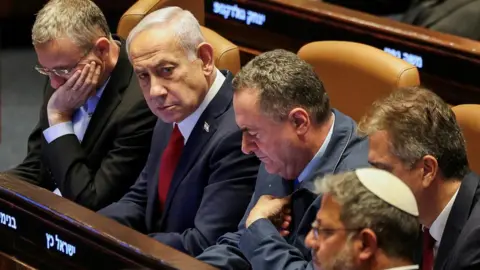
In an interview with Fox News ahead of a key security cabinet meeting, Netanyahu declared Israel’s intention to assume full control of the Gaza Strip to dismantle Hamas, ensure Israeli security, and eventually transfer governance to another entity. However, he offered no clear plan or details about what forces might assume control after Hamas, only stating, “We don’t want to govern it. We don’t want to be there as a governing body. We want to hand it over to Arab forces.”
Despite the lack of clarity, the security cabinet approved the proposal to launch new operations targeting Gaza City and the central refugee camps, where Israeli intelligence believes many of the remaining hostages are being held and where approximately one million Palestinians reside.
The planned escalation comes as the Israeli military says it already controls about 75% of Gaza. A renewed push into dense population centers could take months and is expected to cause further mass displacement, exacerbating what aid agencies already describe as a severe humanitarian crisis.
The expansion also risks further alienating Israel on the world stage, as international frustration grows over the length and toll of the war, which began in response to Hamas’s attacks on October 7, 2023. Critics argue that the prolonged conflict—with its mounting civilian casualties and destruction—undermines Israel’s security and global standing.
Adding to the controversy, Israel’s military leadership has openly voiced opposition. According to reports in Israeli media, Chief of Staff Lt. Gen. Eyal Zamir warned Netanyahu that full reoccupation of Gaza would be “walking into a trap.” Zamir reportedly emphasized that such an operation would put the remaining 20 hostages at risk, as well as endanger exhausted Israeli troops.
Hostage families, too, have criticized the plan, insisting that further military pressure will only reduce the chances of seeing their loved ones return alive. Citing military assessments published by the Maariv newspaper, some fear that most—or all—of the remaining hostages could be killed during the offensive, either by Hamas or by Israeli forces in the chaos of combat.
The debate has also revealed growing divisions among Israel’s international allies. While some governments support Israel’s right to self-defense, others have expressed alarm over the humanitarian impact and urged an end to the war.
For now, Netanyahu appears committed to a path of escalation, but his strategy has left Israel facing growing dissent at home, friction with military leadership, and intensifying diplomatic pressure abroad.