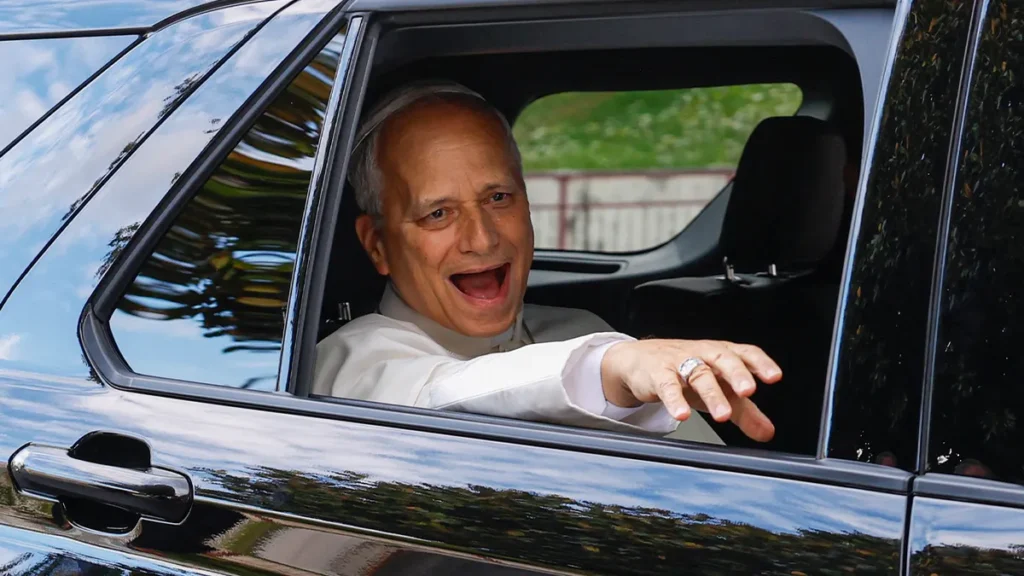
Catholic Bishop of Sokoto Diocese, Matthew Hassan Kukah, has urged the United States not to redesignate Nigeria as a Country of Particular Concern (CPC), warning that such action could undermine ongoing national reconciliation and interfaith dialogue efforts under the Tinubu administration.
Speaking on Tuesday at the launch of the Aid to the Church in Need (ACN) 2025 World Report on Religious Freedom in the World at the Augustinianum Hall, Vatican City, Kukah acknowledged Nigeria’s struggles with violence and discrimination but stressed that “encouraging signs of progress” should be strengthened, not punished.
“Redesignating Nigeria a Country of Concern will only make our work in the area of dialogue among religious leaders even harder,” Kukah said. “It will increase tensions, sow doubt, open windows of suspicion and fear, and allow criminals and perpetrators of violence to exploit divisions. What Nigeria needs now is vigilance and partnership, not punishment.”
His appeal comes amid renewed pressure from U.S. lawmakers, including Senator Ted Cruz, who accused Nigerian officials of complicity in the mass killing of Christians. Cruz described the situation as a “genocide against Christians” and introduced the Nigeria Religious Freedom Accountability Act, which seeks to sanction Nigerian officials allegedly linked to religiously motivated violence.
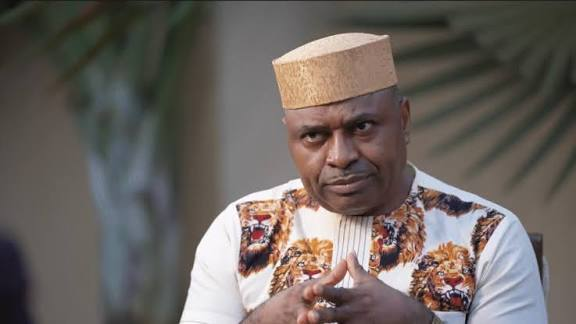
The Federal Government has, however, dismissed the allegations. Minister of Information and National Orientation, Mohammed Idris, described the genocide claims as “false, baseless, despicable, and divisive,” insisting that Nigeria’s security crisis affects citizens of all faiths.
“Violence in Nigeria is not targeted at any one religious group,” Idris maintained. “Christians, Muslims, and non-religious citizens have all suffered, and many Christians occupy top security and government positions.”
Similarly, former U.S. presidential adviser on Arab and African Affairs, Massad Boulos, said terrorists “have killed more Muslims than Christians,” emphasizing that “terrorism has no colour, no religion, and no tribe.”
Both chambers of Nigeria’s National Assembly also condemned Senator Cruz’s comments, describing them as a misrepresentation of the country’s realities.
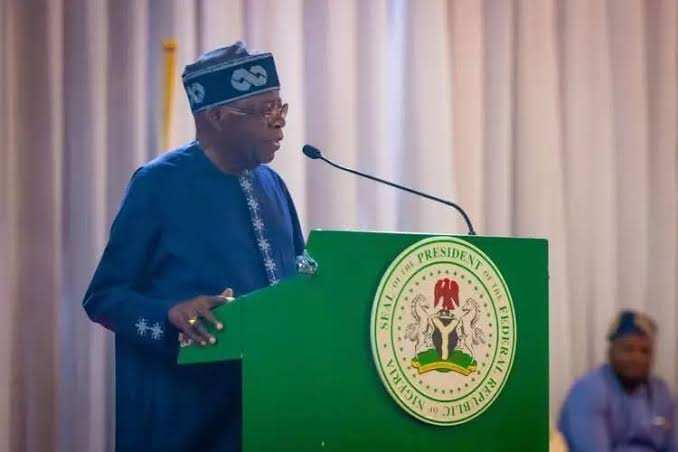
Kukah, one of Nigeria’s foremost advocates for human rights and interfaith harmony, acknowledged that the country still struggles to guarantee full religious freedom but commended President Bola Tinubu for showing “a willingness to listen and act inclusively.”
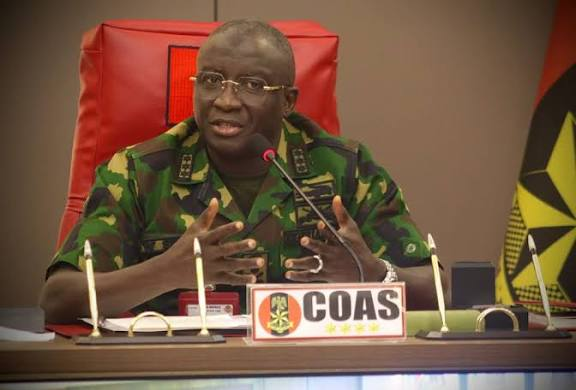
He cited the appointment of Christians to key positions including the Chief of Defence Staff, Director of the Department of State Services (DSS), INEC Chairman, and the APC National Chairman as efforts that promote inclusivity and national confidence.
While admitting that Christian minorities in northern Nigeria still face discrimination, including denial of land for worship and refusal to rebuild destroyed churches, Kukah cautioned against reducing Nigeria’s complex challenges to mere religious persecution.
“I live in Sokoto, in the womb of Islam, and I move freely in my regalia,” he said. “The Sultan of Sokoto attends our events and supports our work. This is not to say there are no problems, but the daily realities of interfaith life in Nigeria are far more complex.”
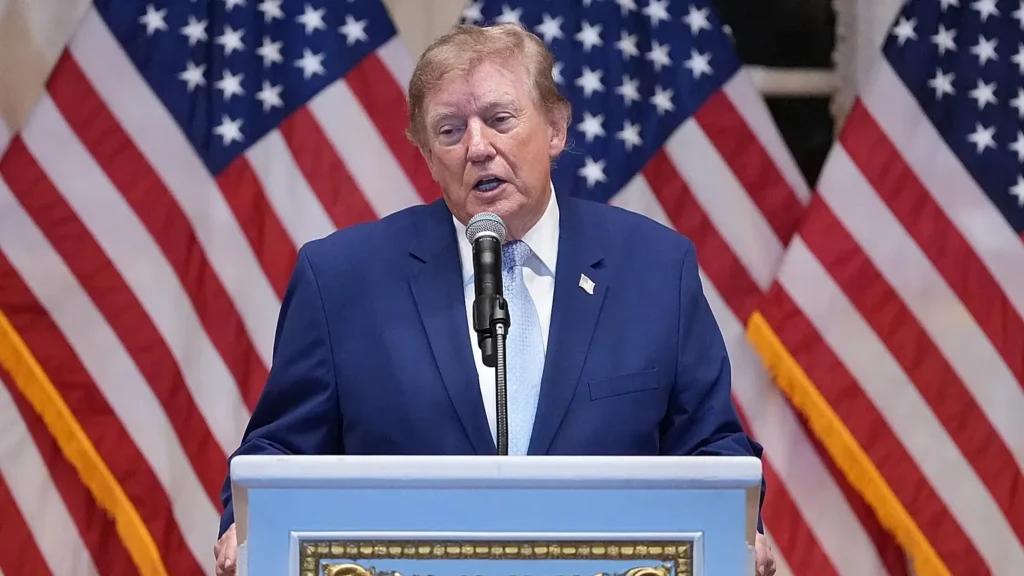
He reminded his audience that Nigeria was previously designated a CPC in 2020 under President Donald Trump but was later removed by President Joe Biden.
“Another designation now would undermine fragile interfaith efforts,” Kukah warned. “Nigeria must stand before the mirror and decide how to create a country of common citizenship. The goal should be reform, not stigmatisation. We need encouragement to build peace, not labels that isolate us.”
Kukah also called for constructive international support to help Nigeria combat terrorism, recalling that the Obama administration once blocked weapon sales to Nigeria under President Goodluck Jonathan a move he said “set back the fight against Boko Haram.”
“I appeal to President Donald Trump, who is working for peace in the Middle East, to lift restrictions and help Nigeria access the tools it needs to defeat terror,” he added.
He further urged the Nigerian government to reinforce constitutional secularism and challenge the adoption of Sharia law by 12 northern states.
“The President should go to court to have the adoption of Sharia law declared unconstitutional. That is the only way to end mob justice and restore confidence in Nigeria’s secular state,” he said.
Kukah expressed optimism that the inclusive makeup of the current administration with a Muslim President and a Pentecostal First Lady provides “a window of hope.”
“Despite our challenges, we should be supported and encouraged, not punished,” he concluded. “Let Nigeria be judged not only by its wounds, but by its willingness to heal.”