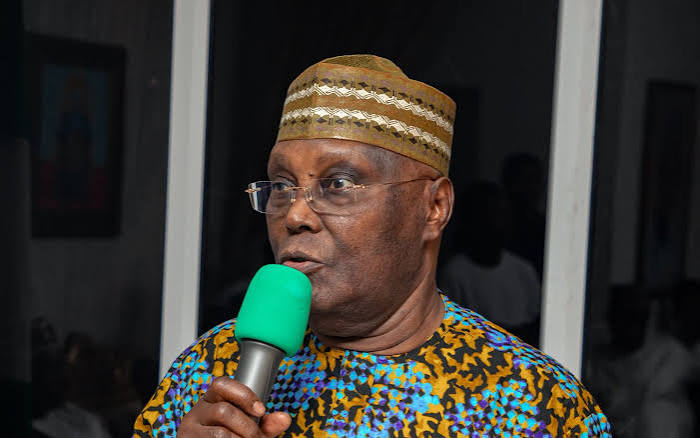
President of the Dangote Group, Aliko Dangote, has urged the Nigerian Midstream and Downstream Petroleum Regulatory Authority (NMDPRA) to revoke dormant refinery licenses or impose annual penalties on holders who fail to develop their projects.
Speaking in Abuja at the NMDPRA / S&P Global Commodity Insights Conference on the West African Refined Fuel Market, Dangote emphasized that inactive licenses were impeding Nigeria’s energy development goals. “Anybody who collected these licenses from you, either you cancel them or you put a penalty on a yearly basis so that they will return the license or they will build those refineries,” he stated.
Dangote also called on the government and regulatory bodies to actively promote refinery development across the country, stressing the need for harmonized fuel specifications across African nations. According to him, the current fragmentation in standards is creating inefficiencies and benefiting only international traders.
“Unlike Europe, which has adopted harmonized fuel specifications, Africa remains fragmented. The fuel we produce for Nigeria cannot be sold in Cameroon or Ghana or Togo,” he noted.
He criticized the influx of cheap and substandard petroleum productsmany of which originate from Russiainto African markets. “Discounted petroleum products produced in Russia or blended with Russian goods find their way to Africa, severely undercutting local production. In Nigeria, petrol is now sold at about 60 cents, even cheaper than in Saudi Arabia,” Dangote said.
Calling for protective measures, Dangote encouraged African governments to emulate the United States, Canada, and the European Union in safeguarding local refiners from dumping and unfair competition.
He also revealed plans for an Initial Public Offering (IPO) for the 650,000 barrels per day Dangote Refinery, opening the door for Nigerians to acquire shares in the landmark project. Since June 2025, he disclosed, the refinery has exported nearly one million tonnes of petrol in just 50 days, marking Nigeria’s transition into a net exporter of refined products.
Despite Nigeria being a major oil-producing nation, Dangote lamented the refinery’s continued struggle to secure local crude oil. “Rather than buying crude directly from Nigerian producers at competitive terms, we’re forced to negotiate with international traders reselling Nigerian crude at a premium,” he said.
He commended the Nigerian National Petroleum Company (NNPC) for its support but described dealings with International Oil Companies (IOCs) as particularly challenging, calling them “the most difficult” in granting access to crude.
Dangote further decried excessive and duplicative port charges in Nigeria, which he said account for up to 40% of total freight costs. “It is currently more expensive to load a domestic cargo or petroleum product from Dangote Refinery than from competitors like Lome, where customers pay only at the port of discharge,” he noted.
Concluding his remarks, Dangote warned that the current operating environment is unsustainable and called on regulators to urgently address systemic challenges and level the playing field for local refiners.