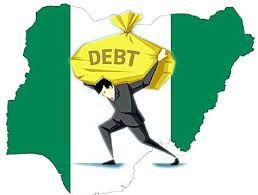
PricewaterhouseCoopers (PwC) has it that the rising cost of servicing debt continues to reflect on the Federal Government’s revenue profile.
This report was titled ‘Nigeria Economic Alert: Assessing the 2021 FGN Budget.’
According to this report, the Federal Government keeps spending a huge amount of its revenue to service debt, and the debt-to-revenue ratio in 2020 is about 83 percent.
It said, “Actual debt servicing cost in 2020 stood at N3.27tn and represented about 10 percent over the budgeted amount of N2.95tn. This puts the debt-to-revenue ratio at approximately 83 percent, nearly double the 46 percent that was budgeted.
“This implies that about N83 out of every N100 the Federal Government earned was used to settle interest payments for outstanding domestic and foreign debts within the reference period. In 2021, the FG plans to spend N3.32tn to service its outstanding debt. This is slightly higher than the N2.95tn budgeted in 2020.”
A financial expert, Ovie Ogidiaka, spoke on the risk of increasing debt in Nigeria, saying the money that should be used for capital infrastructure was deployed to service debt.
“Accumulated debt can hinder a country’s development, especially when most of the revenue generated is used to service debt. When money that should be used to pay salary or cover the cost of capital infrastructure is used to pay the debt, people are affected as they don’t have enough money to spend. So, when a huge amount is used to service debt, there is no way capital development can happen, and this affects the people and the country generally,” said Ogidiaka.
Ada Peter