Efforts to bridge differences between the United States and Iran are continuing through indirect channels, despite the collapse of planned face-to-face talks, according to Pakistani mediators.
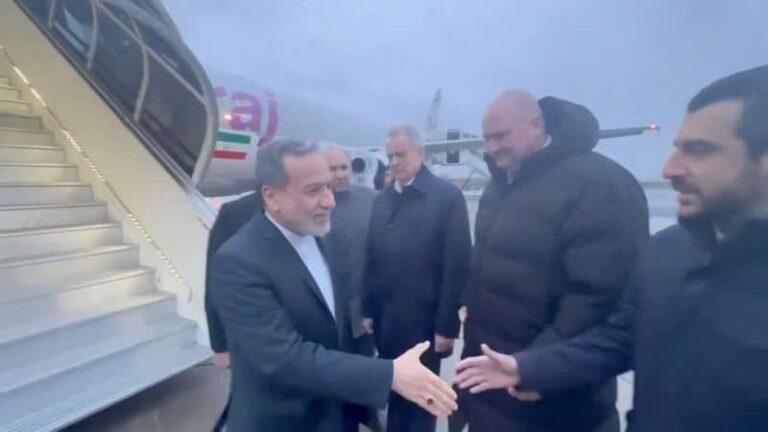
Hopes for a breakthrough dimmed after U.S. President Donald Trump canceled a weekend trip by envoys Steve Witkoff and Jared Kushner to Islamabad, where Iranian Foreign Minister Abbas Araghchi had been traveling between meetings. Araghchi has since continued his regional diplomacy, including a visit to Oman, and arrived in Russia on Monday for talks with President Vladimir Putin.
Key disagreements remain unresolved, particularly over Iran’s nuclear program and control of the Strait of Hormuz. Oil markets reacted to the stalled progress, with Brent crude rising about 2.5% to roughly $108 per barrel when trading reopened Monday.
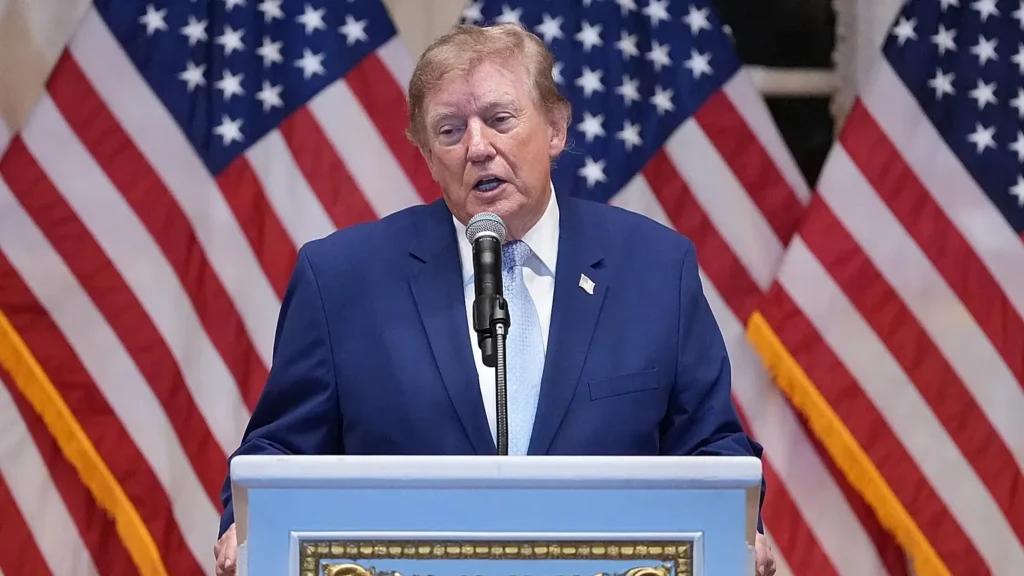
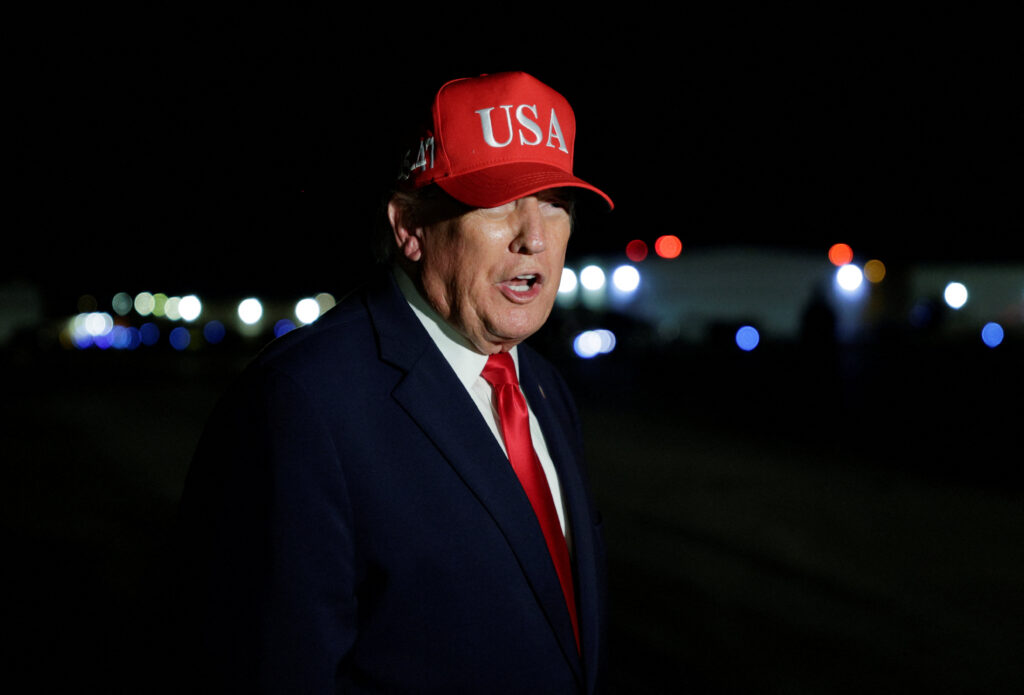
Trump signaled that negotiations would not resume in person unless Iran made clear concessions. “If they want to talk, they can call,” he said, reiterating that any agreement must prevent Iran from obtaining nuclear weapons.
In Islamabad, preparations for in-person talks have been scaled back. Streets that had been closed for security reopened, and venues previously reserved for negotiations resumed normal operations.
Pakistani officials said discussions are continuing remotely, with no immediate plans for direct meetings until both sides narrow their differences. “The draft will be negotiated remotely until some consensus is reached,” a source familiar with the talks said.
Although a ceasefire has paused U.S.-Israeli military action against Iran, no comprehensive agreement has been reached. The conflict, which began in late February, has resulted in thousands of deaths, disrupted global energy markets, and heightened concerns about inflation and economic growth worldwide.