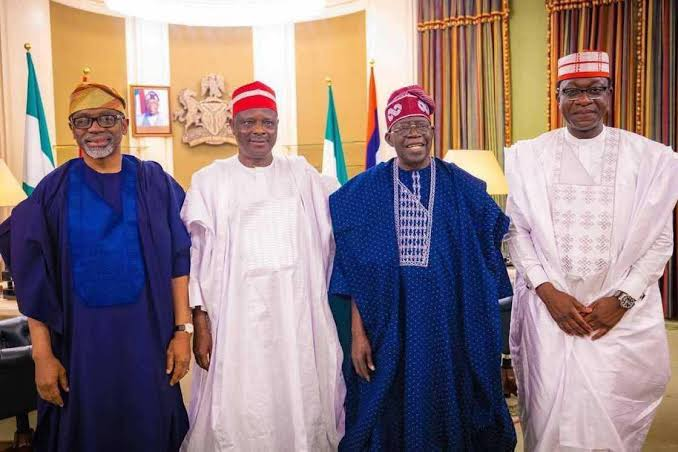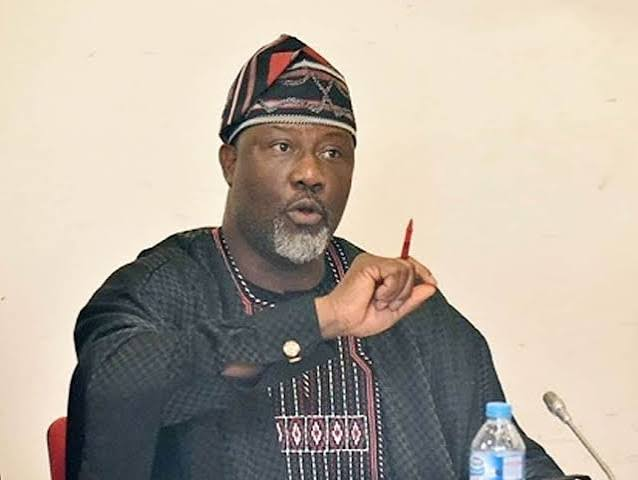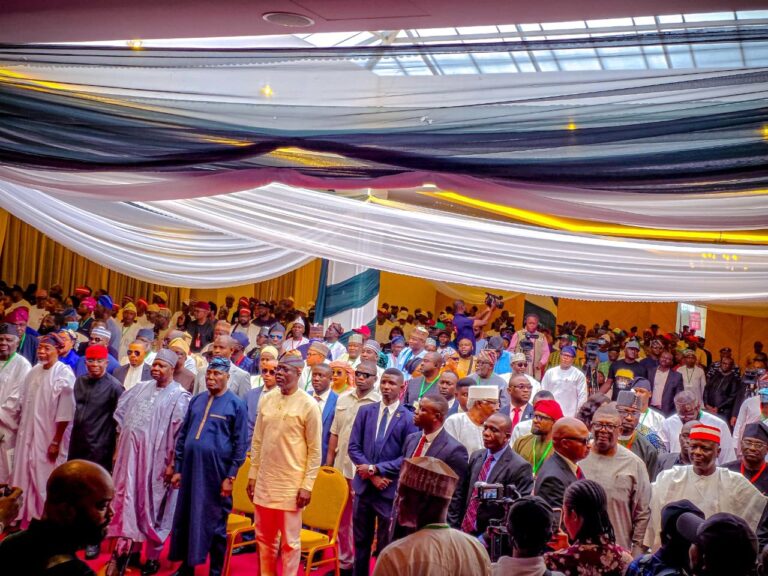
Plans by opposition figures to rally behind one presidential candidate for the 2027 election have triggered sharp reactions, exposing deep divisions within Nigeria’s political landscape.
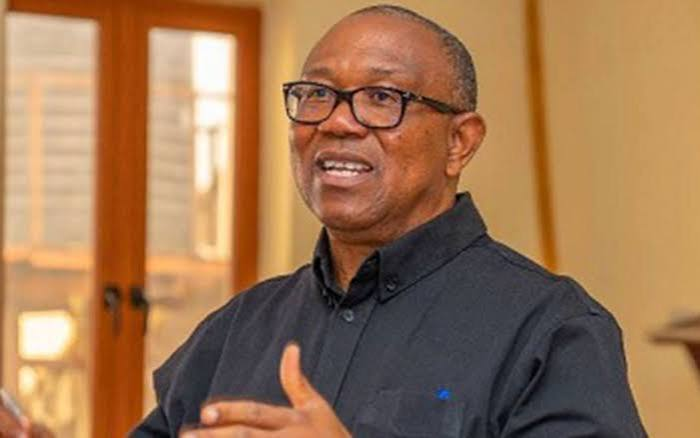
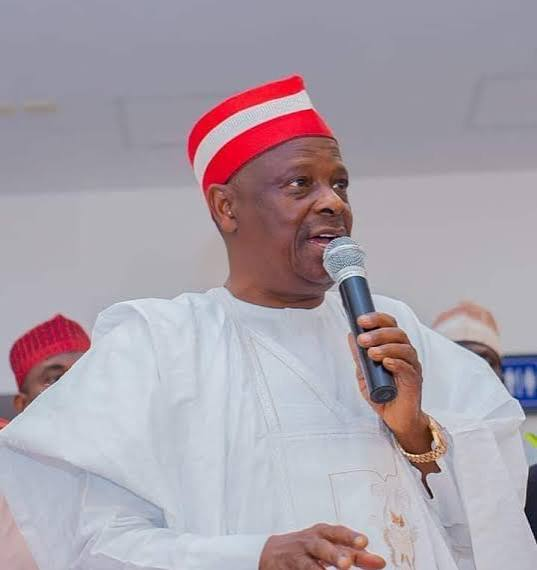
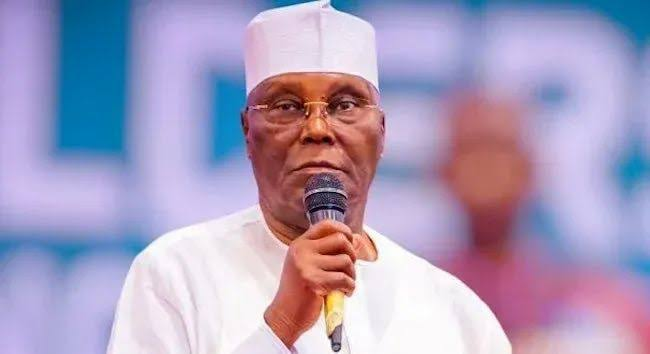
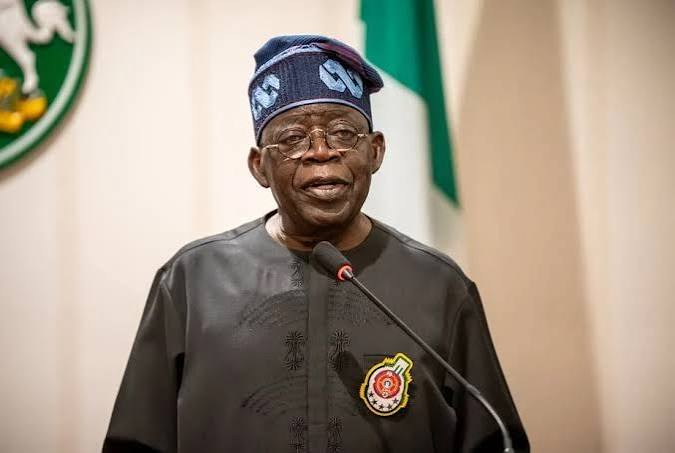
At a summit in Ibadan, prominent opposition leaders—including Atiku Abubakar, Peter Obi, Rabiu Kwankwaso, Rotimi Amaechi, and others—agreed in principle to unite under a single candidate to challenge President Bola Tinubu of the All Progressives Congress (APC).
The proposal, however, has drawn mixed responses. While some groups see it as a strategic move, others have dismissed it outright or distanced themselves entirely.
The APC rejected the initiative, describing it as disorganized and lacking credibility. The ruling party also condemned remarks made by Oyo State Governor Seyi Makinde at the event, accusing him of invoking historical violence and making statements that could threaten national stability.
Senior government officials, including Nyesom Wike and Festus Keyamo, also downplayed the coalition, calling it impractical and unlikely to succeed. Omoyele Sowore, leader of the African Action Congress, said he declined participation, arguing that the alliance recycles familiar political figures rather than offering new direction.
Despite the criticism, some stakeholders welcomed the idea. The New Nigeria People’s Party described it as a significant step toward uniting opposition forces, while elder statesmen and political commentators said it could help preserve multiparty democracy if properly executed.
The pan-Yoruba group Afenifere backed the concept but stressed that any alliance must be built on clear policies that address economic hardship, not just power-sharing among politicians.
Meanwhile, internal disagreements continue to undermine the effort. Factions within the African Democratic Congress rejected the summit’s outcome, insisting the party should resolve its own disputes before joining broader alliances. The Social Democratic Party also clarified that it was not part of the agreement, citing exclusion from the process.
Analysts note that while a united opposition could reshape the electoral contest, unresolved leadership struggles, ideological differences, and competing ambitions remain major obstacles.
As political alignments begin to take shape, the debate over a joint ticket highlights both the urgency of opposition coordination and the challenges of achieving it ahead of 2027.