Obi Aguocha, member of the House of Representatives representing Ikwuano, Umuahia North, and Umuahia South, has criticised Anambra State Governor Chukwuma Soludo over what he described as an unconstructive handling of efforts to end the Monday sit-at-home in the state.
On Monday, Governor Soludo ordered the closure of the Onitsha Main Market, accusing traders of deliberately defying the government’s directive against observing the weekly sit-at-home. The governor said the action was necessary because the sit-at-home had no legal backing, was crippling businesses, undermining livelihoods, and hampering efforts to restore normal economic activities.
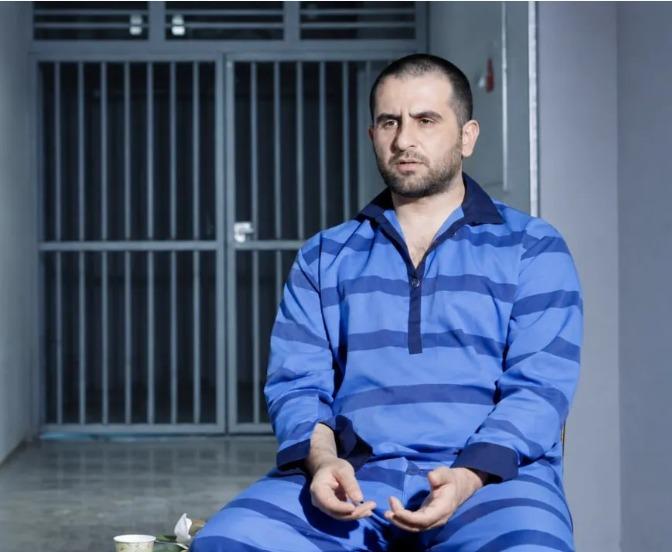
The Monday sit-at-home, introduced in 2021 by the Indigenous People of Biafra (IPOB), was initially meant to protest the arrest and detention of its leader, Nnamdi Kanu, often coinciding with his court appearances. Residents and traders who defied it were reportedly targeted by its enforcers. In November 2025, a Federal High Court in Abuja sentenced Kanu to life imprisonment on terrorism-related charges.
Reacting on Wednesday, Aguocha acknowledged the governor’s intentions but said the closure of Onitsha Main Market was executed in an “unconstructive and unacceptable manner.” He warned that the action could rekindle fear, resistance, and potentially lead to violence across the South-East.
“These misguided ordinances and actions have reignited embers of fear, hardened resistance, and resurrected old resentments which, if left unchecked, could plunge us into uncharted waters of renewed violence, serious crimes, and widespread criminality across the South-East,” he said.
Aguocha noted that many markets and shopping centres had gradually returned to normal operations over the past three years due to sustained engagement by political leaders and community stakeholders. He argued that the governor lacked the authority to compel private business owners to open or close their shops.
“Governor Soludo cannot force, punish, or compel private business owners to close or open their shops, or to trade or refrain from trading,” he said. “Would the Governor also invoke the same punitive measures against those who choose to close their shops early on Wednesdays to attend mid-week religious services?”
The lawmaker said the decision to trade on Mondays is a fundamental right of citizens and is not regulated by any state, labour, or market-union law. He also linked continued agitation in the region to broader national issues, including Kanu’s case, perceived bias in the justice system, marginalisation of the Igbo people, and alleged persecution of Christians.
“If nothing urgent is done, no reasonable person or political party should expect Igbo votes by any means whatsoever, whether coerced, manipulated, or compelled. Our votes will count. We will defend them, even at the cost of our lives,” he said.
Aguocha pledged to pursue what he described as the best path to the region’s freedom, urging residents to remain calm, avoid violence, and channel grievances through peaceful protests.
“Be assured that I stand firmly with you. Enough is enough,” he added.