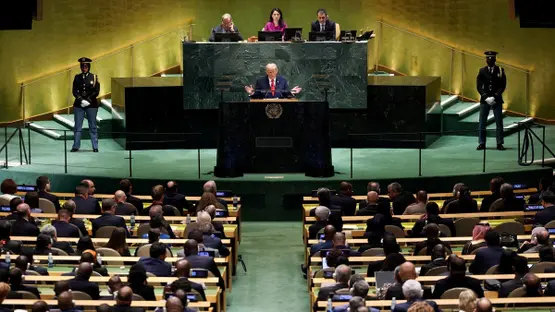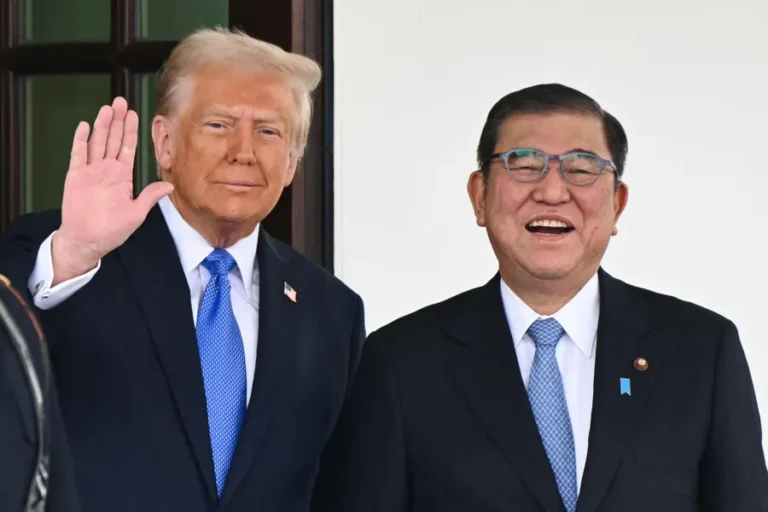
U.S. President Donald Trump on Thursday signed an executive order reducing tariffs on Japanese car imports from 27.5% to 15%, a significant move aimed at easing trade tensions and offering relief to global automakers like Toyota, Honda, and Nissan.
The decision formalizes a landmark trade agreement first unveiled in July, under which nearly all Japanese exports to the U.S., including automobiles and pharmaceuticals, will now face a reduced 15% levy. In exchange, Japan has pledged $550 billion in U.S. investments and will open key sectors of its economy to more American products—including cars, rice, and agricultural goods.
According to the White House, Japan has also committed to purchasing $8 billion in American goods annually, spanning everything from fertilizers and bioethanol to agricultural products. Notably, Japan will increase its imports of U.S.-grown rice by 75%, a move that signals a rare concession in Tokyo’s traditionally protected agricultural sector.
Trump hailed the agreement as a major success, describing it as a “win-win” deal for both nations.
“It’s a great deal for everybody. I always say it has to be great for everybody. It’s a great deal,” Trump told reporters.
Japanese chief trade negotiator Ryosei Akazawa reacted to the executive order with a one-word message on social media: “Finally,” as he shared the announcement from the White House.
The deal comes as a welcome relief for Japan’s auto industry, which has long relied on the U.S. as its largest export market. Automobiles make up around 20% of Japan’s total exports, and concerns had been mounting over the escalating cost of U.S. tariffs. Just last month, Toyota warned that Washington’s tariff regime could cost the company $10 billion this year alone.
The new agreement, reached after months of intensive negotiations following Trump’s broad global tariff hikes in April, is being seen as a strategic recalibration of U.S.–Japan trade ties. It reflects a mutual effort to stabilize relations and safeguard supply chains amid ongoing global market volatility.
Analysts suggest the deal may also influence global trade patterns, as the U.S. seeks more favorable terms with key partners while pressuring others—like China and the EU—with continued tariffs and trade threats. For Japan, the deal provides critical market certainty and averts the prospect of harsher U.S. trade penalties.
The agreement underscores the evolving dynamics of bilateral trade diplomacy, especially between allies navigating a post-pandemic global economy increasingly shaped by national interest and industrial resilience.