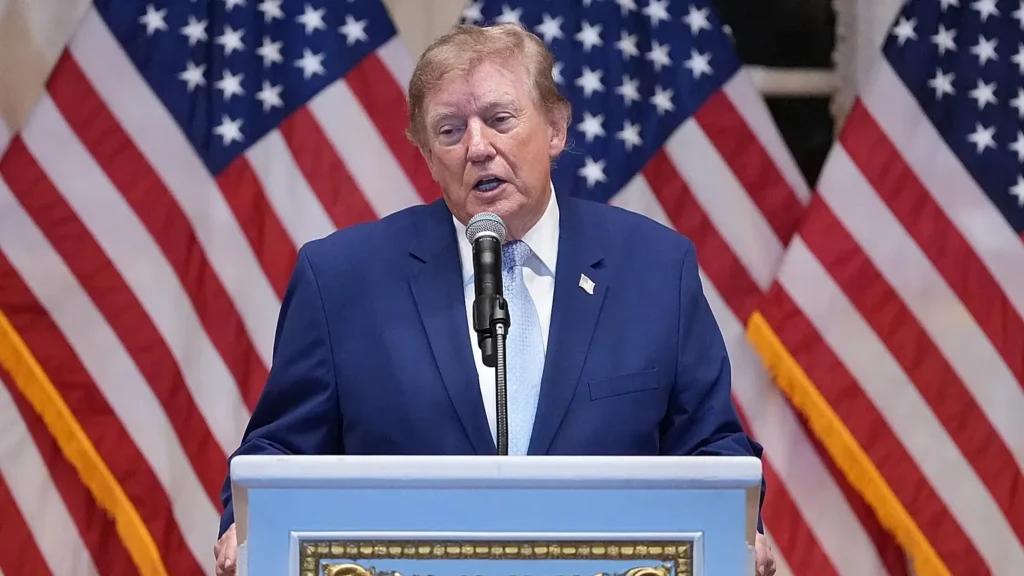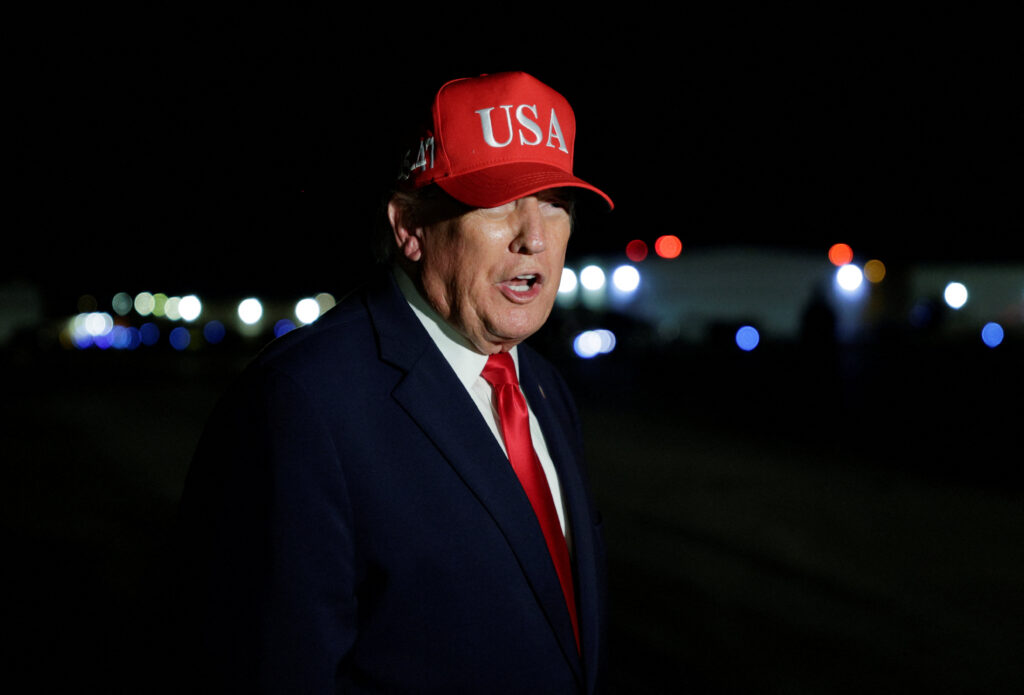
U.S. President Donald Trump has given Iran a limited window to present a unified counterproposal, warning that the temporary ceasefire he extended Tuesday could soon expire if progress is not made, according to U.S. officials.
Officials said the administration is prepared to allow only a brief extension—potentially three to five days—to give Iranian leaders time to align on a negotiating position. While U.S. negotiators believe a deal to end the conflict and address Iran’s nuclear program remains possible, concerns are growing over whether any authority in Tehran is capable of finalizing an agreement.
At the center of the uncertainty is Iran’s leadership structure. Supreme Leader Mojtaba Khamenei has reportedly been largely unresponsive, while divisions have emerged between military leaders and civilian negotiators.
U.S. officials say tensions became apparent after initial talks in Islamabad, when senior figures in Iran’s Islamic Revolutionary Guard Corps rejected proposals discussed by diplomatic representatives. The split widened when Foreign Minister Abbas Araghchi announced the reopening of the Strait of Hormuz—only for military leaders to refuse to implement the decision.
The lack of coordination has stalled further negotiations, with Iran declining to commit to a second round of talks and instead demanding the lifting of a U.S. naval blockade.
The internal divisions are partly attributed to the absence of strong centralized coordination following the death of senior official Ali Larijani earlier this year. His successor, Mohammad Bagher Zolghadr, is seen by U.S. officials as less effective in managing competing factions.
The uncertainty has disrupted diplomatic plans. Vice President JD Vance had prepared to travel to Pakistan for renewed talks but was forced to delay after Iranian participation remained unclear. Other U.S. envoys, including Steve Witkoff and Jared Kushner, also altered travel plans as negotiations stalled.
Amid the uncertainty, Trump convened senior national security officials, including Secretary of State Marco Rubio and Defense Secretary Pete Hegseth, to weigh options between renewed military action and extending diplomatic efforts.
For now, the administration has opted to continue pursuing negotiations, though officials say the window for a deal is narrowing rapidly as internal divisions in Iran complicate progress.