A ceasefire agreement between Israel and Hamas officially came into effect at noon local time on Friday, with the Israeli military confirming the start of troop withdrawals to pre-negotiated deployment lines. The development followed the Israeli Cabinet’s approval of a deal brokered by U.S. President Donald Trump, aimed at halting the two-year war in Gaza, securing the release of hostages, and facilitating a prisoner exchange.
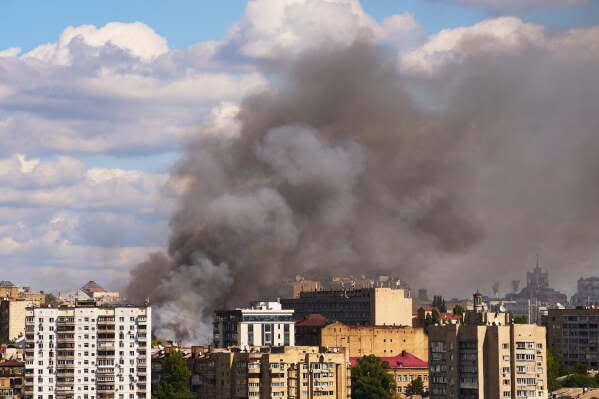
Despite the announced truce, reports from inside Gaza described continued and heavy Israeli shelling throughout Friday morning. Residents in northern and central Gaza, including those in the Nuseirat refugee camp and Gaza City, recounted artillery bombardments and low-flying aircraft overhead even after the ceasefire was declared.
“It is confusing. We have been hearing shelling all night despite the ceasefire news,” said Heba Garoun, who fled her destroyed home in eastern Gaza City.
Rami Mhanna, managing director of Gaza’s Shifa Hospital, said there was no noticeable let-up in strikes in both southern and northern parts of the enclave. Gaza resident Mahmoud Sharkawy described intensified artillery fire early Friday.
Early Friday, Prime Minister Benjamin Netanyahu’s office confirmed Cabinet approval of the “outline” for a deal centered on the release of hostages, but did not elaborate on other elements of the U.S.-brokered plan, which includes controversial measures such as Israeli troop redeployments and prisoner releases.
A senior Israeli security official, speaking anonymously, said the military would maintain control of roughly 50% of the Gaza Strip in accordance with the new ceasefire lines.
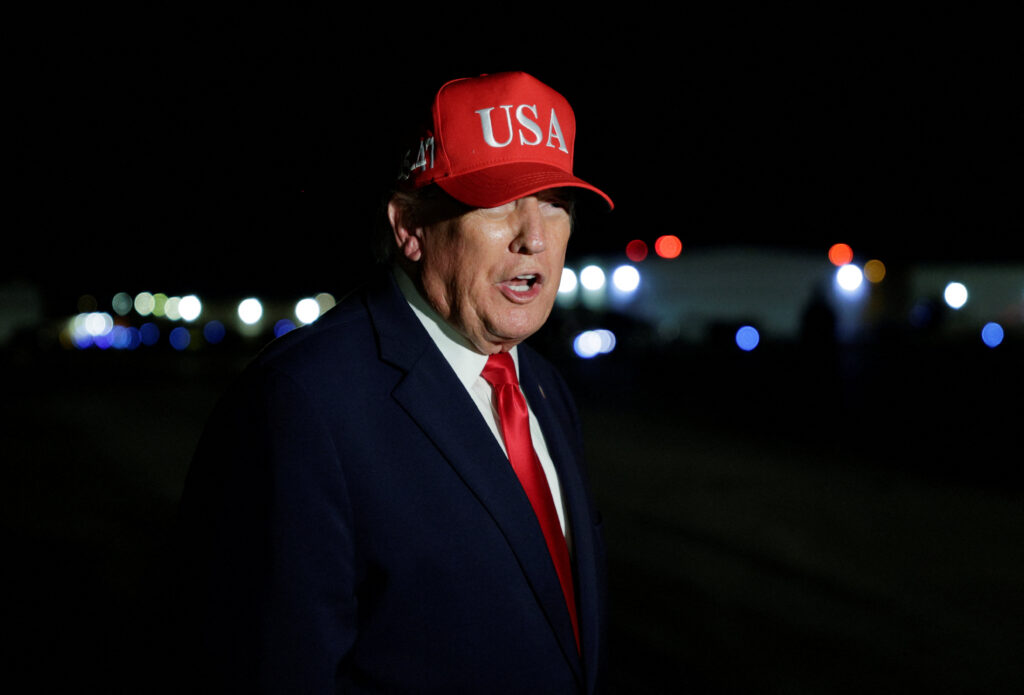
The Trump administration has played a central role in brokering the truce, presenting the deal as a significant step toward stabilizing the broader Middle East following months of international concern and regional instability.
In a televised address Thursday evening, Hamas senior official and lead negotiator Khalil al-Hayya outlined what he described as the major provisions of the ceasefire. These include:
- The release of approximately 2,000 Palestinian prisoners, including all women and children held in Israeli jails.
- The reopening of the Rafah border crossing with Egypt.
- A significant increase in humanitarian aid entering the Gaza Strip.
- The withdrawal of Israeli troops from key areas of Gaza.
Al-Hayya claimed that the Trump administration and international mediators provided assurances that the war was over, paving the way for renewed Palestinian efforts toward self-determination and statehood.
“We declare today that we have reached an agreement to end the war and the aggression against our people,” he said.
While the ceasefire marks a turning point in the long-running conflict, its durability remains uncertain. Observers note that while the outline has been approved, significant hurdles—such as verifying compliance, monitoring troop movements, and facilitating prisoner exchanges—still lie ahead.
The agreement has been hailed by some as a potential breakthrough, but ongoing violence on the ground suggests that full implementation may take time, and trust between the parties remains deeply fractured.