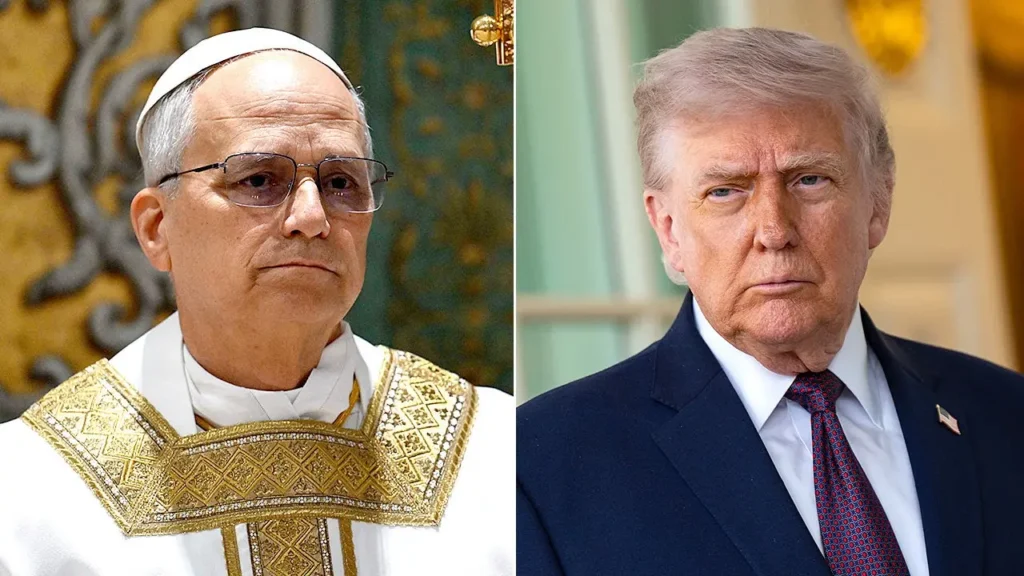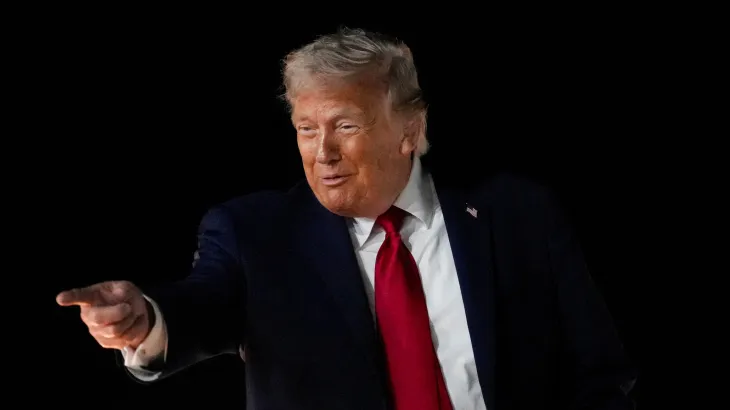
U.S. President Donald Trump announced that he has called off a third consecutive night of planned military strikes against Iran, citing significant progress in negotiations aimed at ending the conflict and securing a broader agreement with Tehran.
The decision marked a sharp shift in tone from earlier in the day, when Trump warned that Iran would face severe military consequences and threatened attacks on strategic targets, including Kharg Island and other key oil facilities.
In a post on Truth Social, Trump said diplomatic efforts had advanced to the highest levels of Iran’s leadership and that negotiators had reached agreement on what he described as the “final points” of a potential deal.
According to Trump, the framework under discussion has received approval from the United States, Iran and several regional partners, raising hopes that months of conflict and instability could be drawing to a close.
Analysts See Pressure Tactics Behind Diplomatic Breakthrough
Security analysts suggested that the administration’s threats of military escalation may have been part of a strategy designed to accelerate negotiations.
Richard Weitz, an international security expert at the NATO Defense College, said the approach appeared aimed at compelling both sides toward a settlement.
“The strategy is to threaten escalation in order to force an end to the conflict,” Weitz said, while cautioning that important questions remain about the details of any agreement and how it would ultimately be implemented.
White House Seeks to Preserve Diplomatic Momentum
The development comes amid reports of growing concern within the White House that Israeli military actions could complicate ongoing diplomatic efforts.
Observers note that while Trump and Israeli Prime Minister Benjamin Netanyahu share the objective of preventing Iran from acquiring nuclear weapons, the U.S. president has increasingly urged restraint in recent weeks to allow negotiations more time to succeed.
Officials in Washington believe a diplomatic settlement could offer a more sustainable path toward regional stability than continued military escalation.
Iran Signals Openness to Proposed Framework
In Tehran, Iranian officials indicated that discussions were moving forward at the highest levels of government.
A senior Iranian official reportedly confirmed that a proposed memorandum of understanding with the United States is under review by Iran’s leadership.
Iranian authorities have also sought to frame the potential agreement as a strategic victory, arguing that the hardships endured during the conflict may ultimately lead to economic and political gains.
Government officials have suggested that a successful deal could pave the way for sanctions relief, the release of frozen assets and improved economic conditions.
Fighting Continues Elsewhere in the Region
Despite signs of diplomatic progress between Washington and Tehran, tensions remain high across the wider Middle East.
In Lebanon, Hezbollah said it carried out 24 attacks against Israeli military positions over a two-day period, using drones, rockets and missiles to target troops, armored vehicles and military installations across southern Lebanon and the Bekaa Valley.
The group claimed strikes on multiple locations, including Tayr Harfa, Naqoura, Rashaf, Qantara and other areas along the border region.
The continuing violence underscores the broader challenges facing regional efforts to secure a lasting peace, even as negotiations between the United States and Iran appear to be gaining momentum.
For now, Trump’s decision to suspend planned strikes has eased immediate fears of a major escalation and opened a potential diplomatic window that could reshape the course of the conflict.