The U.S. military has resumed strikes on vessels suspected of drug trafficking in the eastern Pacific Ocean, killing two people in the first such attack in more than two months.
U.S. Southern Command said the strike took place Sunday against what it described as a “low-profile vessel” traveling along established narcotics-smuggling routes.
The latest attack brings the reported death toll from the nearly yearlong U.S. campaign to 223 people killed in 67 strikes against suspected drug-smuggling boats operating off Latin America’s Caribbean coast and in the eastern Pacific.
Southern Command said the campaign has destroyed 64 speedboats, three low-profile vessels and one semisubmersible craft.
In a statement posted Monday, the command said U.S. forces carried out a “lethal kinetic strike” against the vessel, though it did not publicly provide evidence that the boat was carrying narcotics.
Gen. Francis Donovan, commander of U.S. Southern Command, said the campaign is intended to disrupt trafficking networks and weaken cartel operations across the region.
The strike was the first since June 24, when a series of powerful earthquakes in Venezuela killed thousands of people.
The operation comes as the Trump administration pushes to expand anti-drug military cooperation with Latin American governments.
Defense Secretary Pete Hegseth said during a recent visit to Panama that Colombia, Guatemala and Honduras had agreed to allow joint military operations against criminal organizations on their territory. Guatemala later denied that such an agreement had been reached.
Ecuador began similar joint missions with U.S. forces earlier this year.
The U.S. campaign, which began in September 2025, has also drawn scrutiny over the fate of survivors from targeted vessels.
Southern Command said Monday that more than 20 search-and-rescue missions had been launched during the campaign, with most unsuccessful.
According to figures compiled from military statements, 28 people have survived initial strikes, but only three have been rescued.
The campaign has also faced legal and political criticism, particularly after the first strike in September 2025, when two survivors were later killed in a follow-up attack.
The White House said that second strike was carried out in self-defense and complied with the laws of armed conflict, though some legal experts disputed that assessment.
President Donald Trump has described the United States as being in an “armed conflict” with Latin American drug cartels and has defended the strikes as necessary to reduce the flow of illegal drugs into the country.
Critics, however, have questioned both the legality and effectiveness of the campaign, noting that much of the fentanyl linked to fatal overdoses in the United States is typically trafficked over land from Mexico rather than by sea.
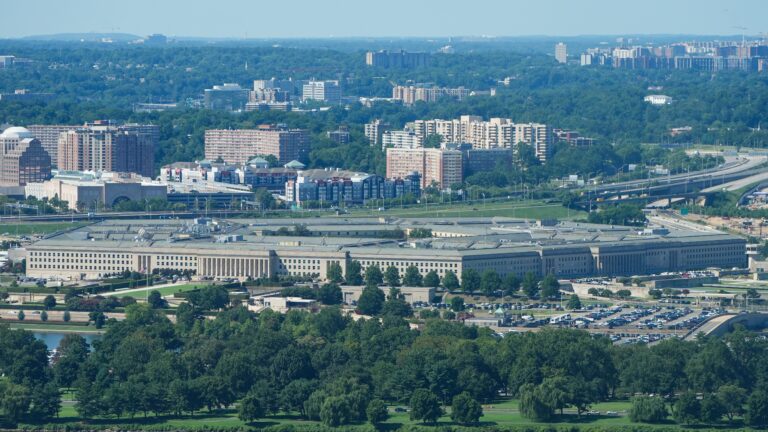
The Pentagon’s inspector general announced in May that it would review whether military forces followed established targeting procedures during the operations, though the review is not focused on determining whether the strikes themselves are legal.