Buses carrying dozens of freed Palestinian prisoners have arrived in Ramallah and the Gaza Strip, following Israel’s release of more than 1,900 detainees under the terms of a major ceasefire deal with Hamas, according to the Hamas-run Prisoners Office.
The buses departed from Ofer Prison in the Israeli-occupied West Bank on Monday and arrived in central Beitunia, near Ramallah, where crowds of family members and supporters gathered to welcome the returnees. At least one bus also crossed into Gaza, marking a rare moment of coordinated movement across conflict lines.
The releases came in exchange for all 20 remaining living hostages held in Gaza, following two years of devastating warfare that has left tens of thousands dead and Gaza’s infrastructure in ruins. The hostages, all Israeli men, have now returned home, where they were met with tears, cheers, and tight security.
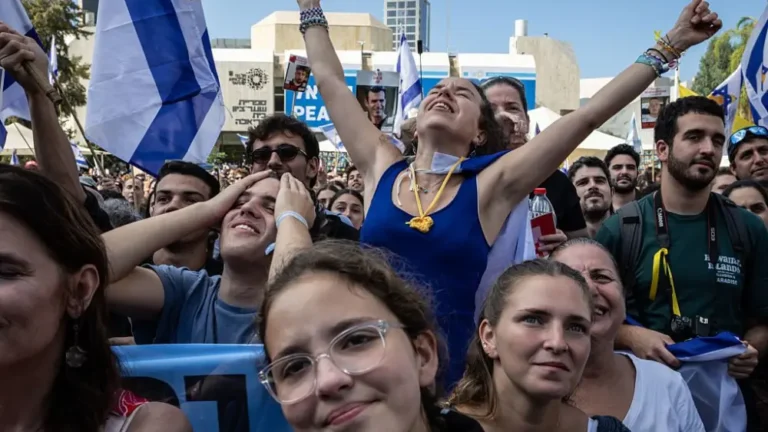
In Tel Aviv, a central square erupted in celebration as Israeli media confirmed the safe transfer of the final hostages into Red Cross custody. Public screenings across the country broadcast the developments live, with tens of thousands of citizens following the emotional updates.
Among the first images released by the Israeli government was a photo of 28-year-old twins Gali and Ziv Berman, seen embracing after being reunited. According to previously released hostages, the twins—taken from Kfar Aza—had been held separately for the duration of their captivity.
Medical teams are now evaluating the hostages’ health, with initial reports indicating they were pale but in relatively stable condition, appearing less gaunt than those released earlier this year in January.
Exchange Includes Bodies of Deceased
In addition to the living captives, the deal includes provisions for the return of the bodies of 28 deceased Israeli hostages, though officials say the timing of those transfers remains uncertain.
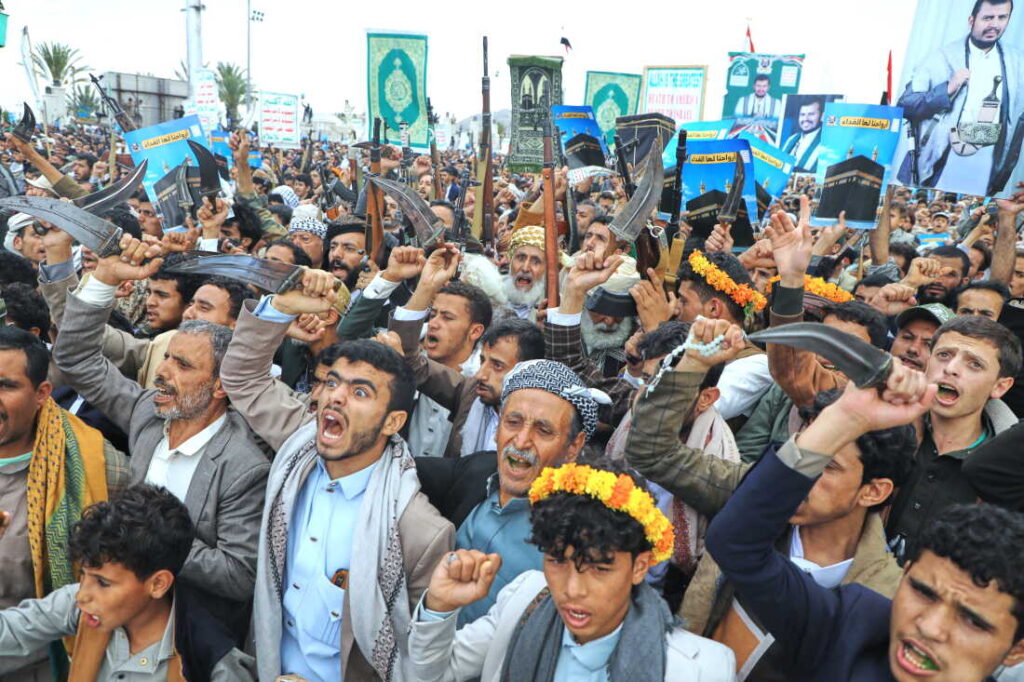
Meanwhile, the convoy from Ofer Prison included 250 long-term Palestinian prisoners, many of whom were being released for the first time in years. The full list of names was not immediately disclosed, but families in Beitunia and other West Bank towns were seen celebrating with music, flags, and emotional embraces as the buses rolled in.
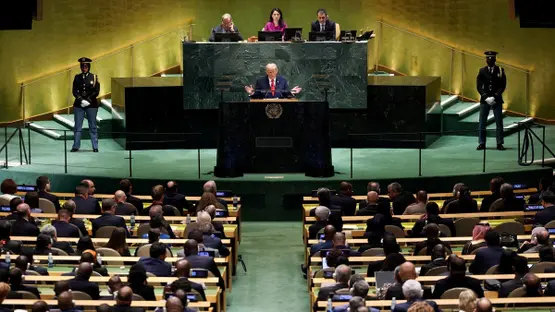
The exchange is part of a broader ceasefire framework brokered with support from the United States, aiming to bring an end to two years of war between Israel and Hamas. While the truce remains in effect for now, Israeli and Palestinian officials have cautioned that long-term peace remains uncertain and hinges on further negotiations.
Still, Monday’s coordinated operation is being hailed as a rare diplomatic breakthrough and a moment of humanitarian relief for both sides. As families across the region embrace loved ones they thought lost, the world watches to see whether this moment of unity can translate into lasting calm.