According to the World Health Organization (WHO), the mortality toll from Coronavirus (COVID-19) has dropped to its lowest level in nearly a year.
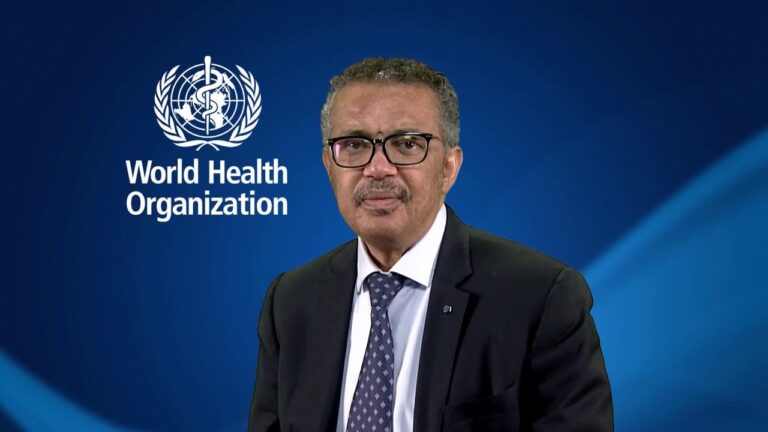
Despite a decrease in COVID-19 mortality, WHO Director-General Dr. Tedros Ghebreyesus indicated at a news conference in Geneva on Wednesday that vaccine disparity had persisted.
Ghebreyesus stated that the mortality toll from COVID-19 was still unacceptably high, citing about 50,000 deaths each week as an estimate, while the true figure was almost certainly greater.
He said, “Deaths are declining in every region except Europe, where several countries are facing fresh waves of cases and deaths. And of course, deaths are highest in the countries and populations with the least access to vaccines.”
Ghebreyesus reiterated his demand for further assistance to developing nations to ensure an equal distribution of the COVID-19 vaccine.
“Nations that continue to roll out boosters now essentially hinder other countries from vaccinating their most at-risk populations,” he said, pleading for global cooperation.
There were moreover 238 million COVID-19 cases and 4.8 million deaths worldwide as of Wednesday.
WHO had earlier pressed governments to vaccinate 10% of their people by the end of September, a goal that 56 countries, the majority of them in Africa, failed to meet.
Even more countries, according to the director-general, are at risk of falling short of the 40% objective set for the end of the year.
“Vaccinations have yet to begin in three countries: Burundi, Eritrea, and the Democratic People’s Republic of Korea.
“About half of the remaining countries face supply constraints. “They have a vaccination program in place, but there isn’t enough supply to meet the aim,” he explained.
Ghebreyesus urged countries and firms that control global vaccine supplies to make the COVAX solidarity project and the African Vaccine Acquisition Trust their top priorities (AVAT).
Meanwhile, he said, WHO and partners were working with other countries to build technical and logistical capacity for vaccination rollouts, such as those afflicted by instability or violence.
“With aggressive and ambitious action, most of these countries can still reach the 40 percent target by the end of this year, or be on a clear pathway to reaching it,” he said.
He also spoke about the worsening catastrophe in northern Ethiopia, where a nearly year-long conflict in the Tigray area has left up to seven million people in desperate need of food and other aid.
He claimed that the unrest had spread to neighboring Afar and Amhara, exacerbating the situation and hampering response efforts.
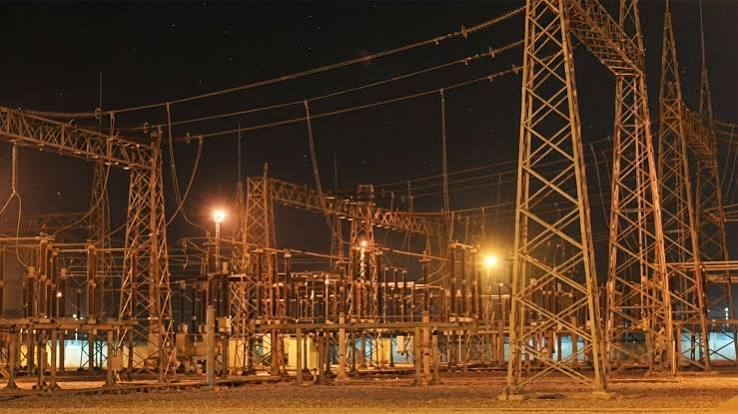
He claims that aid isn’t reaching the area “at anywhere near the levels required,” and that communications, electricity, and other basic utilities are still unavailable.
Ghebreyesus told journalists that the WHO and its partners are urging unrestricted access to the impacted areas since the lives of millions of people are in danger.
“People with chronic illnesses are dying as a result of a shortage of both food and medicine,” he stated. Vaccinations for nearly 200,000 children have gone unadministered.
“When people don’t have enough food, they’re more vulnerable to terrible diseases and the possibility of hunger, which is what we’re witnessing in Tigray right now.”