Trade negotiations between the United States and Canada collapsed late Friday, triggering 50% tariffs on a broad range of Canadian goods and prompting Ottawa to announce immediate retaliatory measures.
The new U.S. tariffs took effect at midnight after nearly two weeks of intensive negotiations failed to produce an agreement.
Canadian Prime Minister Mark Carney said progress had been made during the talks, but not enough to meet Canada’s objectives. He announced that negotiations were being suspended and ordered the Canadian delegation to return to Ottawa.
“As a result, this evening, I have decided to suspend trade negotiations with the U.S.,” Carney said.
The tariffs affect roughly $20 billion worth of U.S. imports from Canada, according to the U.S. Trade Representative’s office. Products affected include hockey sticks, some construction materials, alcoholic beverages and certain clothing.
Carney said Canada would retaliate by imposing equivalent tariffs on U.S. goods.
“Canada will match those tariffs dollar for dollar to protect our workers and businesses,” he said.
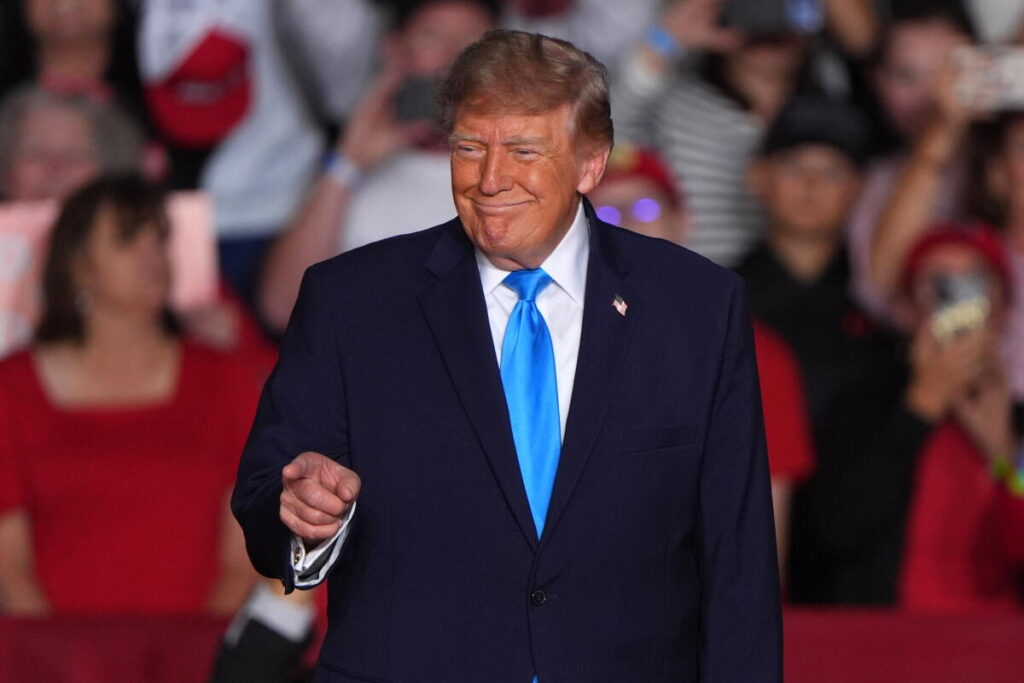
The breakdown marks a dramatic reversal from earlier in the week, when President Donald Trump temporarily suspended the tariffs for three days and declared that the two countries had reached a deal.
Negotiators had continued working until the final hours before Friday’s deadline. Canadian Trade Minister Dominic LeBlanc met U.S. Trade Representative Jamieson Greer for several hours Thursday and said afterward that the two sides were “very close.”
Talks resumed Friday and continued late into the evening, but negotiators ultimately failed to resolve their differences.
Carney blamed the breakdown on last-minute changes to Washington’s proposed terms, which he described as “unfair” and “uneconomic.” He also questioned whether Canada could rely on any agreement reached under those conditions.
U.S. officials offered a different account. Greer said Canada had declined to finalize terms agreed to earlier in the week and accused Ottawa of introducing new demands and reversing previous commitments.
One major point of disagreement involved Canadian retaliatory measures against U.S. products, including provincial restrictions on the sale of American alcohol introduced in response to earlier U.S. tariffs.
Carney had asked provincial leaders to consider lifting those restrictions as negotiations progressed, but the proposal faced resistance at home.
Manitoba Premier Wab Kinew urged the federal government to “fight” Trump, while Quebec officials said they were still considering Ottawa’s request.
With the tariffs now in effect and Canada preparing retaliatory measures, the collapse of negotiations threatens to deepen the trade dispute between two of the world’s closest economic partners.