A fragile Middle East ceasefire faced renewed strain Tuesday after the United States and Iran exchanged threats and military fire over U.S. President Donald Trump’s campaign to reopen the Strait of Hormuz.
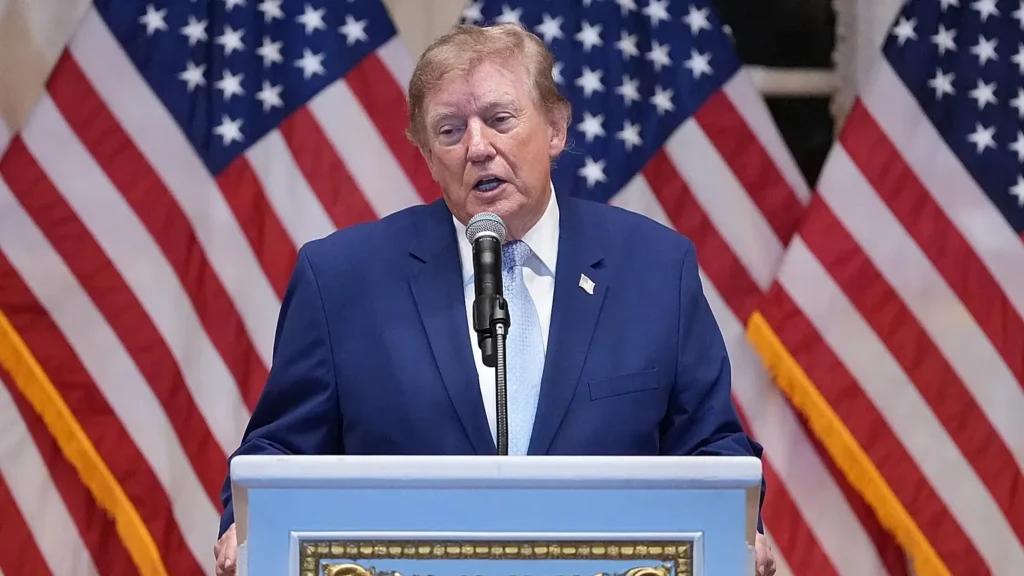
But late Tuesday, Trump announced that the U.S. operation known as “Project Freedom” would be temporarily paused amid signs of diplomatic progress.
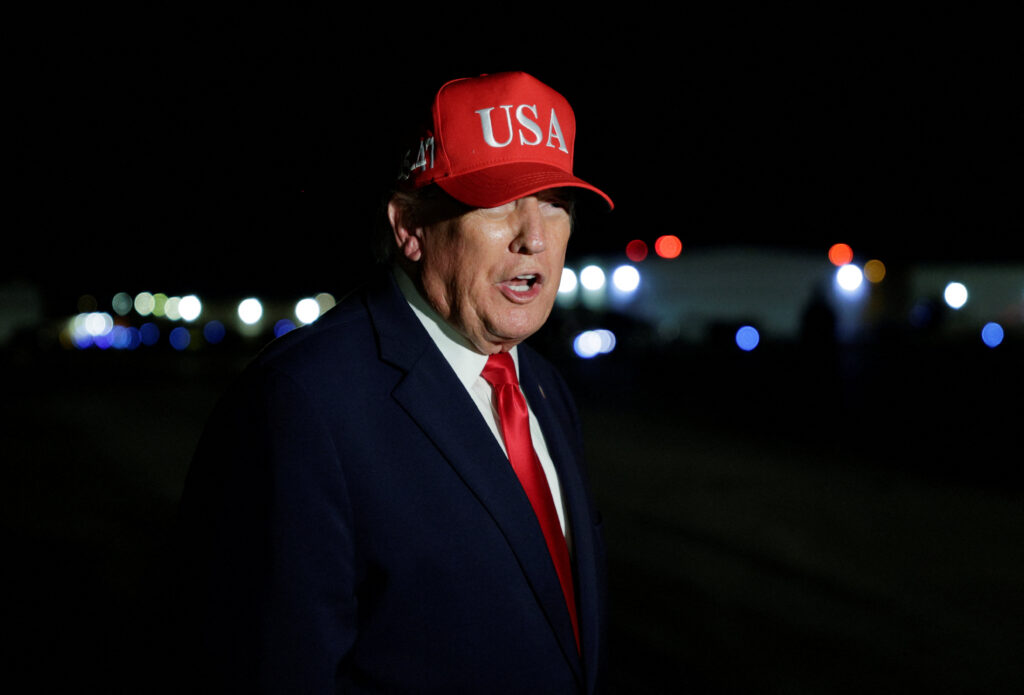
In a post on Truth Social, Trump said the decision followed requests from Pakistan and other countries, as well as what he described as significant progress toward a final agreement with Iran. He added that while the naval blockade against Iran would remain in place, the mission to escort ships through the strait would be suspended for a short period to allow negotiations to continue.
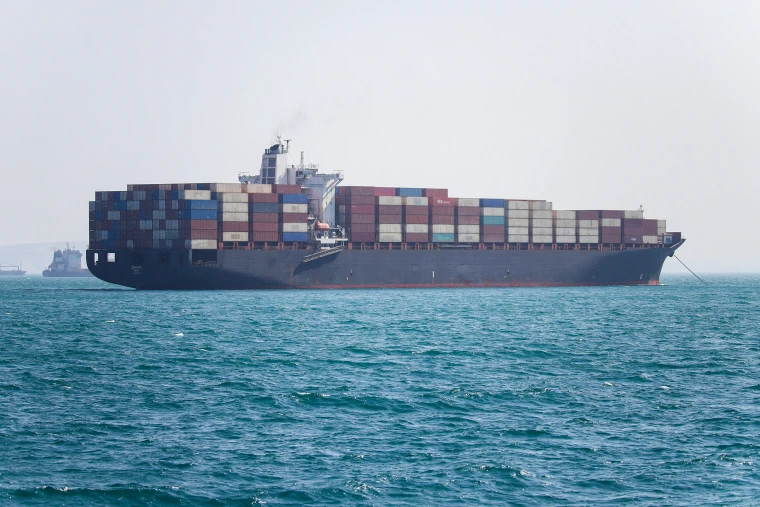
“Project Freedom” had aimed to use U.S. military power to reopen the vital shipping corridor after Iran tightened control over the waterway, disrupting global trade and sending energy prices higher.
The confrontation intensified Monday when Iranian forces reportedly targeted U.S. Navy and commercial vessels with cruise missiles, drones, and small attack boats. The Pentagon said no American ships were hit, while Trump stated that U.S. forces destroyed eight Iranian boats in response.
Two U.S.-flagged merchant vessels successfully passed through the strait under military escort, according to the U.S. military. Maersk confirmed one of its carriers exited the region under U.S. naval protection.
Defense Secretary Pete Hegseth said the ceasefire technically remains in effect despite repeated clashes, while Joint Chiefs Chairman Dan Caine said Iran had attacked U.S. forces more than 10 times since the truce was announced. However, he argued the violence remained below the threshold for a return to full-scale combat.
Secretary of State Marco Rubio described the U.S. military campaign against Iran, known as “Operation Epic Fury,” as concluded, insisting current naval operations are defensive rather than offensive in nature.
Iran, meanwhile, denied that any commercial vessels had successfully crossed the strait and rejected claims that its naval assets had been damaged.
Senior Iranian officials maintained a defiant stance. Parliamentary Speaker Mohammad Bagher Ghalibaf warned that Iran had “not even begun yet,” while Foreign Minister Abbas Araghchi argued there could be no military solution to the crisis, calling the U.S. initiative “Project Deadlock.”
Despite the pause in “Project Freedom,” tensions remain high, with Trump warning separately that any Iranian attack on American ships would trigger overwhelming retaliation.