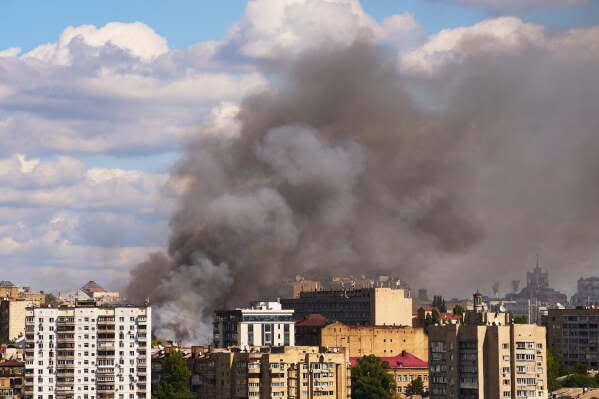
U.S. President Donald Trump on Tuesday distanced his administration from Israel’s airstrike on Qatari soil, calling it a unilateral decision by Prime Minister Benjamin Netanyahu that neither served American nor Israeli interests. The rare and controversial attack, which took place in Doha, marked the first Israeli strike inside Qatar and has triggered an outpouring of condemnation across the Middle East.
The strike killed five senior Hamas figures, including the son of Khalil al-Hayya, the exiled political leader of the group. While Israel claimed the operation was part of its campaign to dismantle Hamas leadership networks, critics say the move risks destabilizing a region already on edge due to the ongoing war in Gaza.
In a post on Truth Social, Trump strongly criticized the decision, stating:
“Unilaterally bombing inside Qatar—a sovereign nation and close U.S. ally—does not advance Israel or America’s goals.”
He reiterated his support for the elimination of Hamas but said the location and timing of the attack undermined critical diplomacy.
Trump added that his special envoy Steve Witkoff had tried to notify Qatari authorities before the strike, but acknowledged the warning was delayed. Qatar, however, rejected that claim, stating that no advance notice was received and that U.S. contact only came after the explosions had begun shaking the capital.
Following the strike, Trump held separate calls with Netanyahu and Qatari Emir Sheikh Tamim bin Hamad Al-Thani, reportedly expressing regret over the incident and assuring Qatar that “such a thing will not happen again on their soil.”
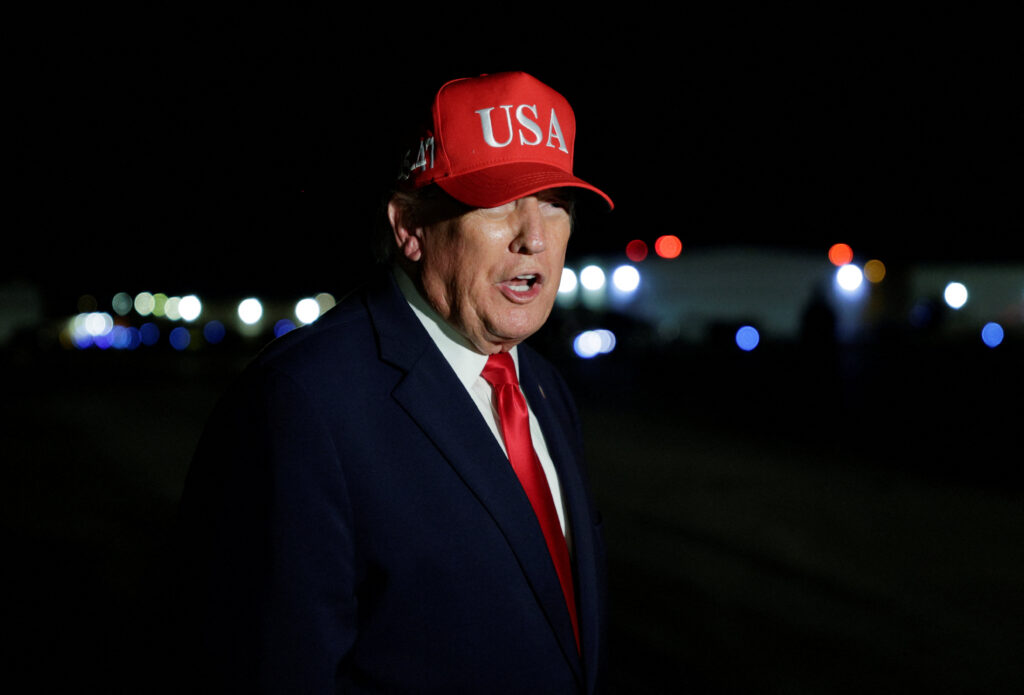
Speaking to reporters later, Trump said he was “not thrilled” with Israel’s conduct and emphasized the urgent need to rescue Israeli hostages. He described the overall situation as “not good”, warning of its potential to derail fragile ceasefire negotiations.
The airstrike adds to growing international scrutiny of Israel’s military actions. Since its war against Hamas began in October 2023, Israel has been accused by rights groups of committing war crimes and inflicting a humanitarian disaster in Gaza. Israeli officials maintain that their campaign is self-defensive, launched in response to Hamas’ October 7 attack that killed 1,200 people and resulted in over 250 hostages.
The conflict has since spilled beyond Gaza, with Israeli strikes hitting targets in Lebanon, Syria, Iran, and Yemen. Qatar, which has played a key mediator role in ongoing hostage and ceasefire talks, now finds itself in a precarious position following the attack in Doha.